
 newspop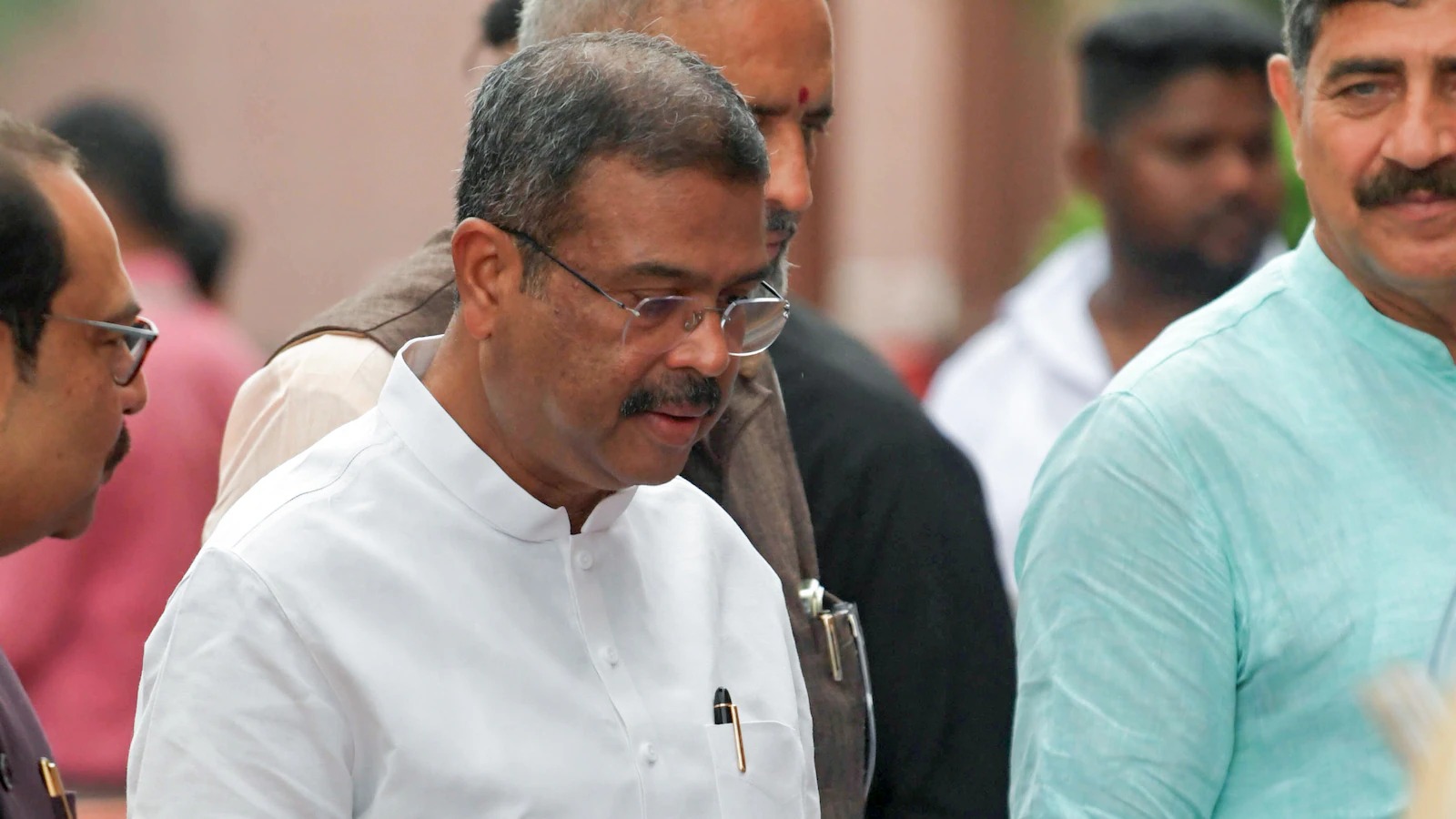
Months of Student Protests, Political Pressure and Public Outrage Culminate in a Major Shift in India’s Education Landscape
New Delhi: One of the biggest political developments in India’s education sector unfolded after Union Education Minister Dharmendra Pradhan stepped down amid the nationwide controversy surrounding the NEET examination paper leak. The resignation comes after weeks of intense public debate, student protests and mounting political pressure over the integrity of one of India’s most competitive entrance examinations.
The NEET paper leak sparked widespread concern among students and parents, with many alleging that the incident had compromised the future of millions of aspirants. The controversy quickly evolved into a nationwide movement demanding accountability and reforms in the examination system.
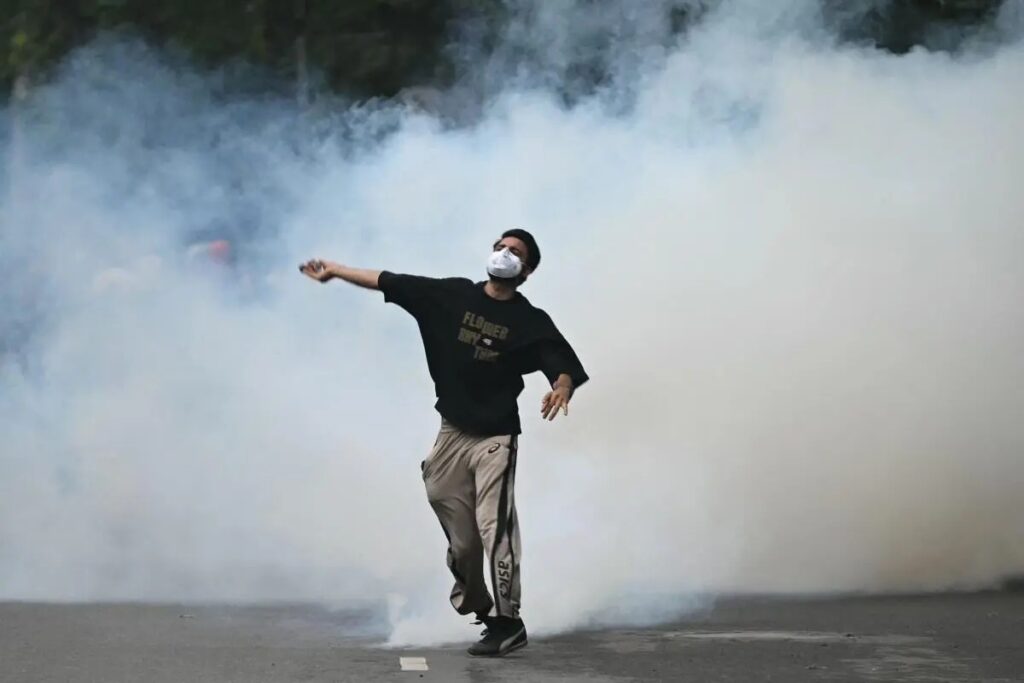
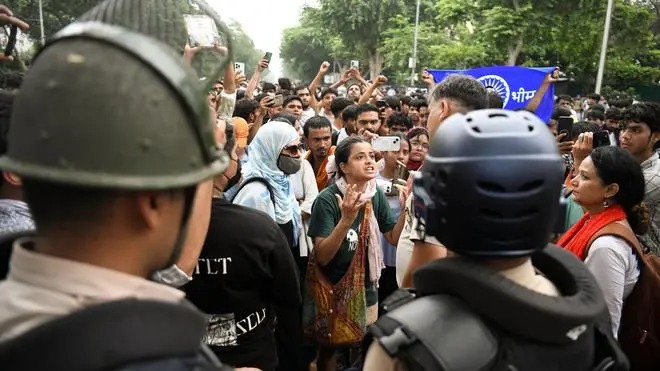
At the centre of the protests was the Cockroach Janta Party (CJP), along with several student groups, which organised demonstrations at Jantar Mantar in New Delhi and other parts of the country. The protesters demanded greater transparency in the examination process and called for the Education Minister’s resignation, arguing that responsibility should be fixed at the highest level.
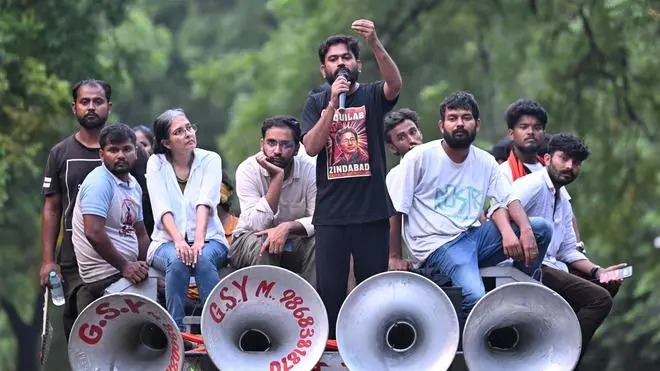
What began as demonstrations in the national capital soon spread across multiple states, drawing participation from thousands of students and youth. The issue dominated national discourse, with education experts, political leaders and civil society members debating the credibility of India’s examination system and the urgent need for institutional reforms.
The movement gained further momentum during climate activist Sonam Wangchuk’s hunger strike and the students’ ‘Sansad Chalo’ march, where police action against protesters became another subject of national discussion. Several public figures and members of the film industry also voiced support for students, calling for fairness, transparency and accountability in public examinations.
Following his resignation, Dharmendra Pradhan stated that his decision was aimed at protecting students’ interests and ensuring that the situation did not escalate further. He emphasised that the focus should remain on restoring confidence in the education system and safeguarding the future of students.
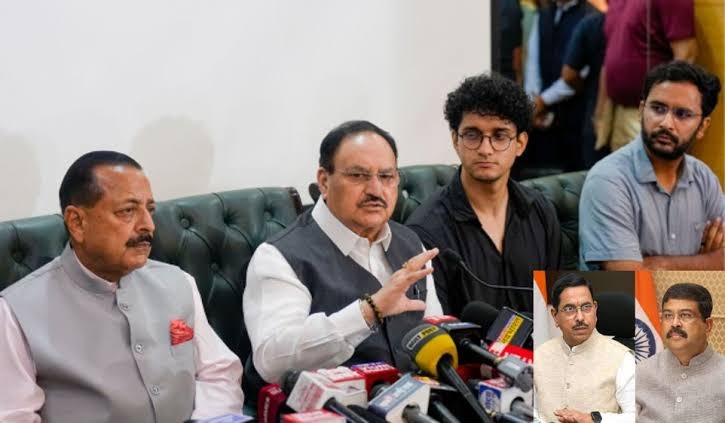
Meanwhile, the Central Government has already initiated measures to tighten the legal framework against examination malpractices. A stricter law has been introduced to curb paper leak rackets, with provisions for severe punishment, including up to 10 years’ imprisonment and fines of up to ₹10 crore for those found guilty of organised examination fraud.
The resignation marks a significant moment in Indian politics and education, highlighting the growing influence of student movements and public accountability in shaping policy decisions. It has also reignited the debate on strengthening examination security, improving institutional transparency and restoring trust in the country’s competitive recruitment and admission processes.
As the nation looks ahead, attention will now shift to the government’s next steps,appointing a new Education Minister, implementing reforms in the examination system, and ensuring that incidents such as the NEET controversy do not recur.
The coming months are expected to be crucial in determining the future direction of India’s education policy and the credibility of its national examinations.