
 newspop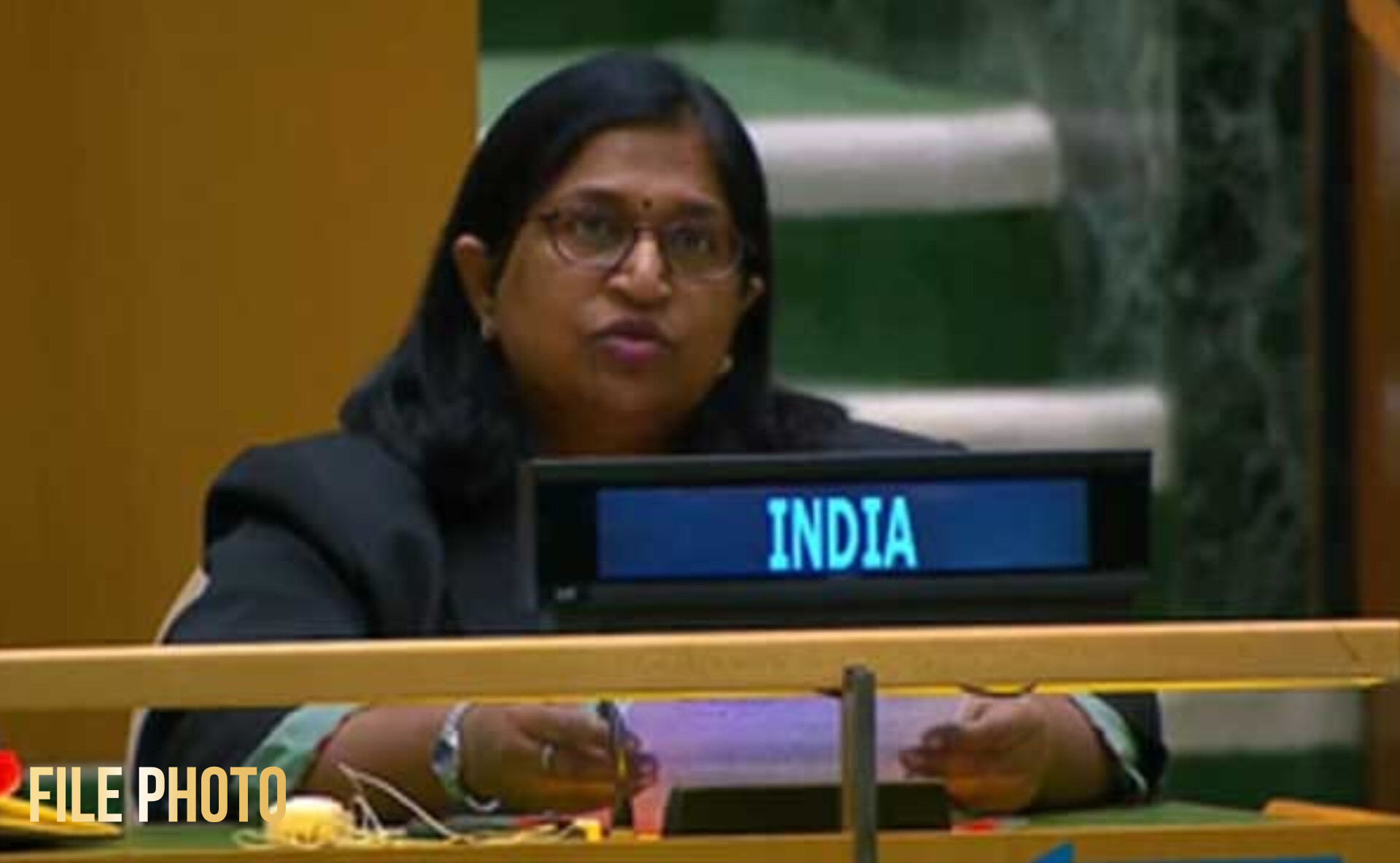
New Delhi : On Wednesday, India called for greater transparency and impartiality in decisions related to United Nations Security Council (UNSC) sanctions. India stated that membership of this powerful body should not be used to legitimize terrorists—a remark that served as an indirect criticism of Pakistan’s role in combating terrorism.
Speaking at an open debate on the Council’s working methods, Yojana Patel, India’s Chargé d’Affaires at the UN, said that Security Council membership should not become a platform to pursue narrow political interests.
She stated, “Presence in the Security Council should not be used to legitimize terrorists—whether through attempts to delist them or by designating an entity as a terrorist organization for purely political reasons, without any concrete basis or documentation.”
India has long criticized the lack of transparency regarding proposals to designate terrorists and terrorist organizations. While approved lists are made public, India has pointed out that reasons for rejecting proposals or placing ‘technical holds’ on them are not disclosed.
India has previously described this process as a “hidden veto” and has specifically criticized the functioning of the 1267 Al-Qaeda Sanctions Committee. India’s efforts to designate terrorists based in Pakistan have also faced opposition; China, a permanent member of the Council, has blocked or placed holds on certain proposals.
The Indian diplomat also expressed concern over delays in appointing chairs and vice-chairs for the Council’s subsidiary bodies. Several positions remain vacant—including those overseeing the 1267 Al-Qaeda and Taliban sanctions committees—even though eight months of the year have already passed.
She called for a firm and non-negotiable timeline to finalize these appointments, noting that the delays have impacted the functioning of the subsidiary bodies. India also called for greater participation of the Council’s elected, non-permanent members in key processes, including the selection of the UN Secretary-General.
Patel argued that the Council’s structure and working methods need to reflect the changes that have occurred in the international order since 1945 (when the United Nations was established). He pointed out that UN membership has quadrupled since then. Patel stated, “The world of 1945 has changed completely.”
He said, “The outcome of a conflict from 80 years ago cannot forever dictate the Council’s composition, working methods, outlook, and functioning. Change is needed, and it must happen as soon as possible.”