
 newspop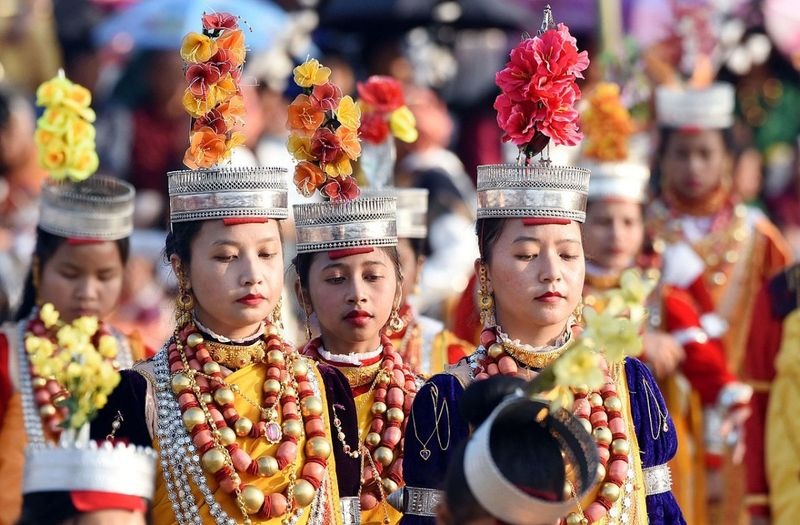
SPECIAL STORY – Imagine a Society Where the Family Legacy Belongs to the Daughters
What if your family name, ancestral roots and property were traditionally passed down through your mother not your father? And what if, after marriage, it was the husband who moved into his wife’s family home? This fascinating tradition exists among the Khasi community of Meghalaya, one of India’s best-known matrilineal societies. Here, the youngest daughter can inherit the ancestral home and take responsibility for caring for her parents, while children traditionally belong to their mother’s clan.
Far from being just an unusual custom, the Khasi system offers a fascinating glimpse into a completely different way of understanding family, marriage, inheritance and identity where women stand at the centre of the family lineage, while men continue to play important roles within the wider community
In This Meghalaya Community, the Youngest Daughter Inherits the Family Legacy
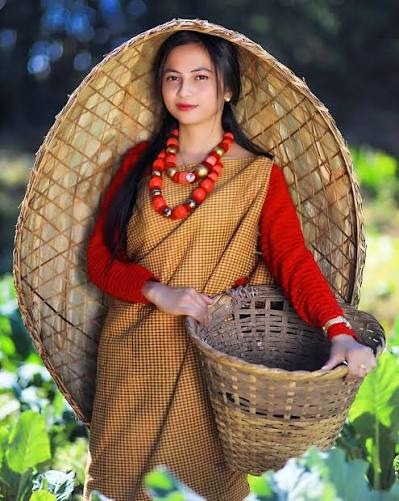
Deep in the green hills of Meghalaya, northeastern India, lives the Khasi community, one of the world’s fascinating matrilineal societies. Here, family traditions can look very different from the patriarchal system familiar in much of India. Descent is traditionally traced through the mother, and children belong to their mother’s clan rather than taking their father’s clan identity.
One of the most remarkable traditions is the special position given to the youngest daughter, traditionally known as the Ka Khadduh. In many Khasi families, she is expected to inherit the ancestral property and take responsibility for caring for her parents. This does not simply mean receiving wealth it can also mean carrying the responsibility of protecting the family home, maintaining family traditions and looking after elderly parents.
The Family Name Comes Through the Mother
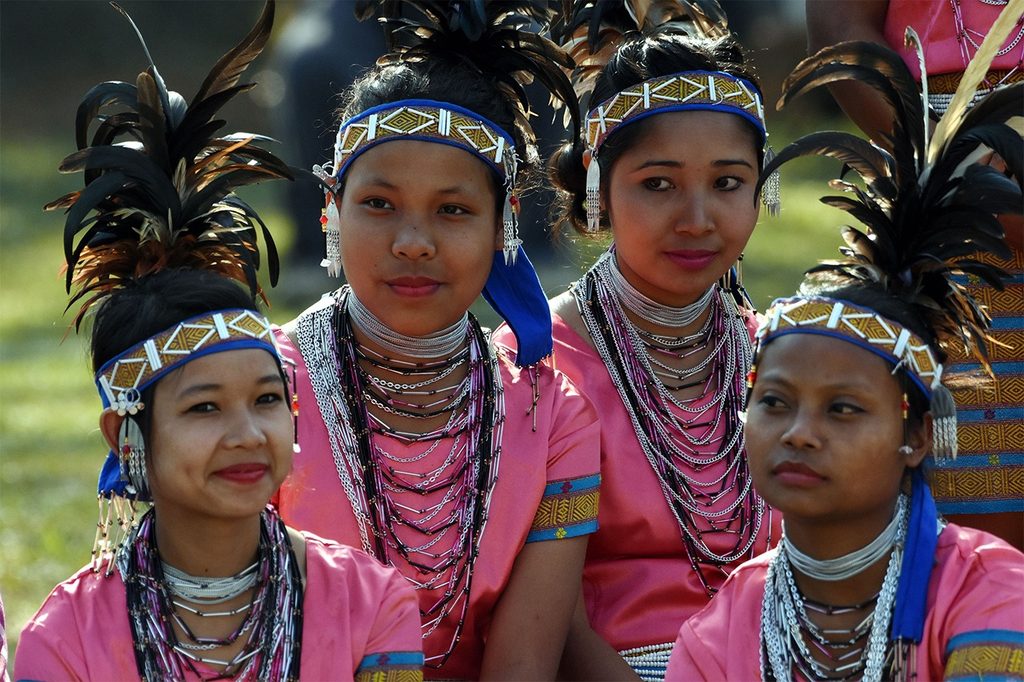
In traditional Khasi society, children inherit their clan identity through their mother. A child’s connection to the maternal clan remains an important part of Khasi social life. This makes the mother’s family line central to questions of ancestry, identity and inheritance.
Interestingly, this does not mean that men have no role. Khasi society traditionally gives important responsibilities to maternal uncles as well. A mother’s brother can have a significant role in family and clan affairs, particularly in matters concerning the wider maternal family.
After Marriage, the Husband Traditionally Moves to the Wife’s Home
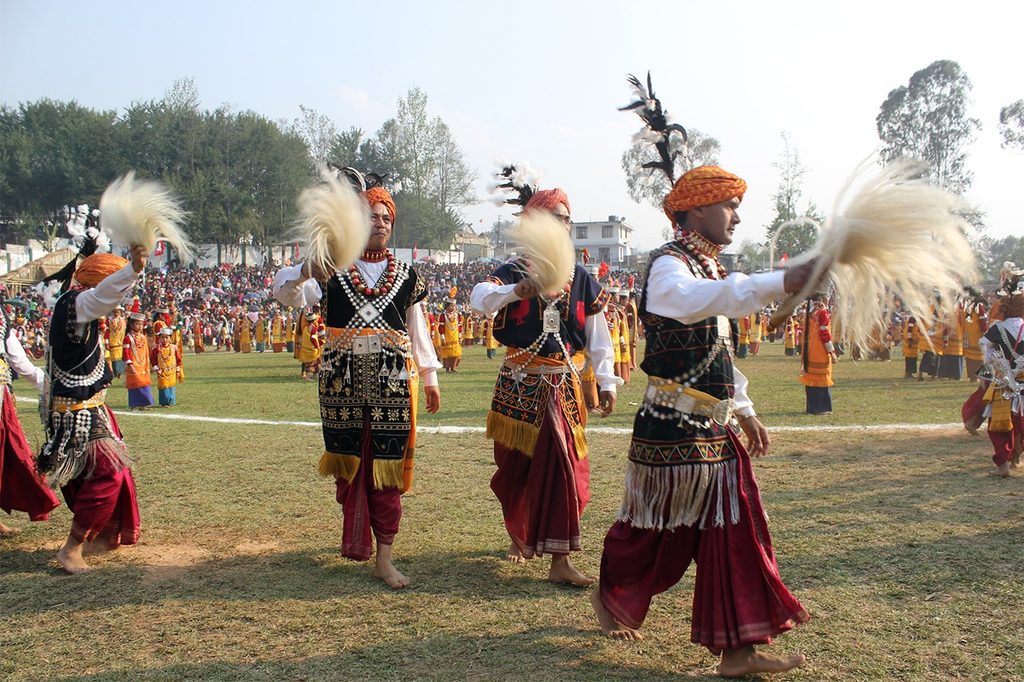
Another striking feature of traditional Khasi culture is matrilocal residence. After marriage, the husband traditionally moves into or lives with his wife’s family. In other words, instead of the bride leaving her parents’ home to join her husband’s household, the arrangement can work in the opposite direction.
This has made Khasi society particularly interesting to anthropologists studying different forms of family organisation around the world.
Why Is the Youngest Daughter So Important ?
The youngest daughter’s traditional role is closely connected with family continuity. She may remain in the ancestral home, care for ageing parents and inherit family property. Because she stays connected to the household, she is often seen as the person responsible for carrying the family legacy forward.
But there is an important point that is sometimes missed in viral stories: Khasi society is matrilineal, not simply “female-dominated.” Men continue to play important roles in social, economic, political and community life. Matrilineality primarily concerns descent, clan membership and inheritance, rather than meaning that women hold every position of authority.
A Living Tradition, Not Just an Ancient Custom
The Khasi way of life has evolved over generations and continues to change. Modern education, employment, urbanisation, Christianity, migration and changing family structures have all influenced contemporary Khasi society. Not every Khasi family follows traditional practices in exactly the same way today.
Yet the community’s matrilineal heritage remains one of its most distinctive cultural features.
The Most Interesting Part
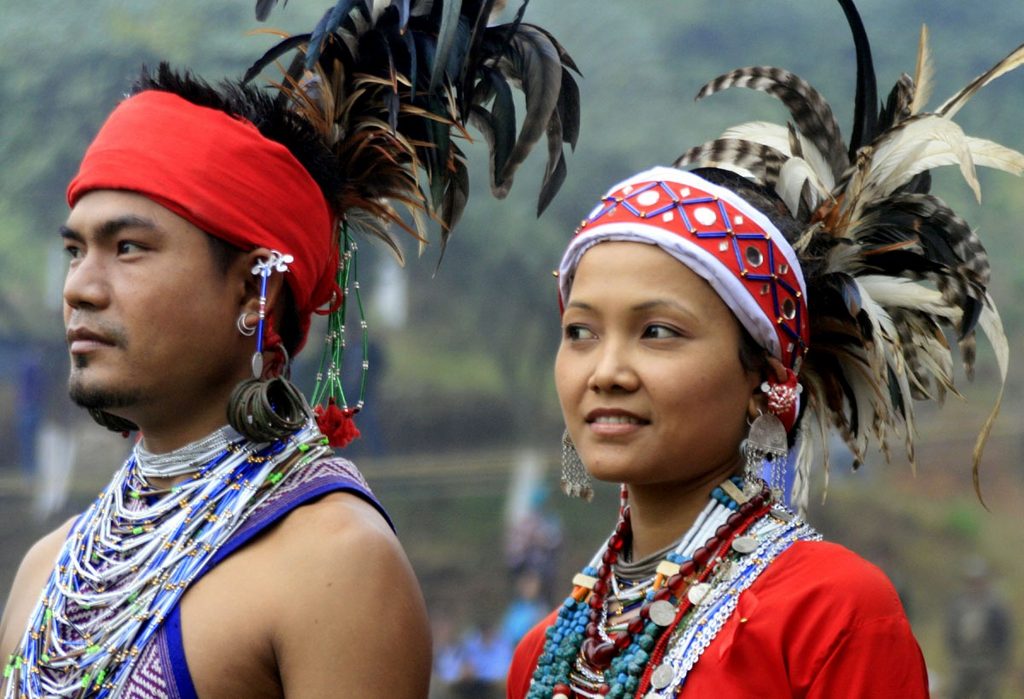
Imagine a family system where the daughter not the son is traditionally responsible for carrying the ancestral family line forward, where the youngest daughter may inherit the family home, and where a newly married husband traditionally moves toward his wife’s household.
It is a powerful reminder that there is no single model of family life across India. From the Khasi hills of Meghalaya to communities with very different traditions elsewhere, India’s cultural diversity extends far beyond language, food and festivals it can even shape the way people understand family, inheritance, marriage and identity.