
 newspop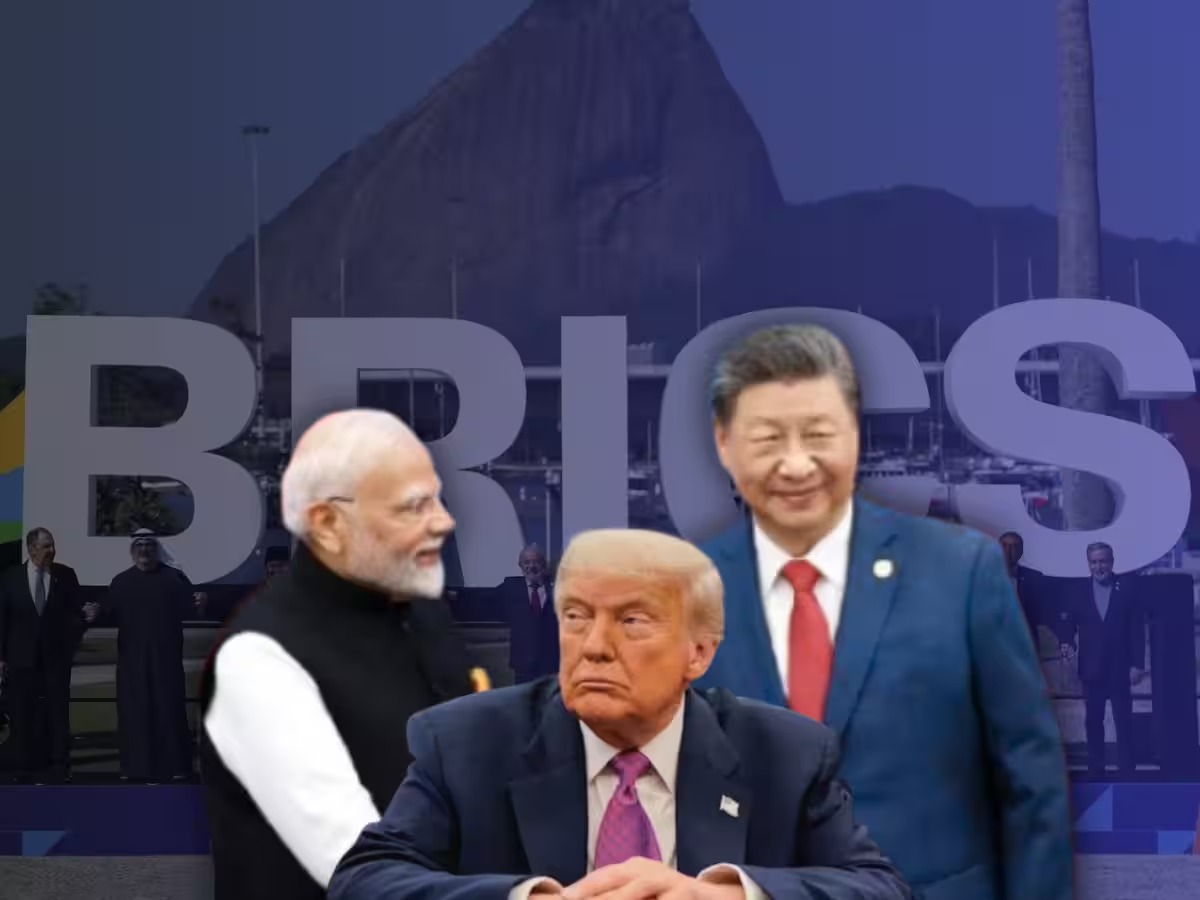
BRICS Pressure Cooker : Iran’s Demand, Trump’s Warning Put India in Diplomatic Tight Spot
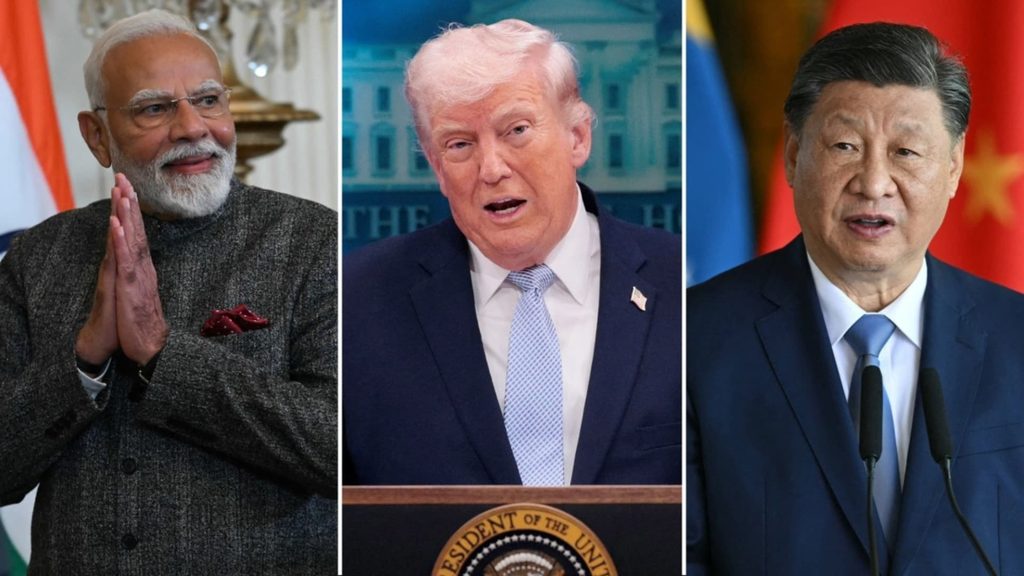
New Delhi : As India works to build consensus among BRICS member countries ahead of the summit, New Delhi is facing a delicate diplomatic balancing act over the conflict in West Asia and its relations with the United States. India is keen to conclude the summit with a consensus-based joint statement, but differences among member nations over the ongoing regional tensions could make that objective difficult.
As the chair, India is reportedly seeking to ensure that BRICS does not turn into an aggressively anti-American or anti-Western platform, particularly given the importance of India-US bilateral relations. New Delhi is therefore expected to exercise considerable caution over the language used in the final declaration, especially on sensitive geopolitical issues.
A major challenge could come from Iran, which may push for strong condemnation of military actions by the United States and Israel in West Asia and seek greater political backing from other BRICS members. The situation could put India in a difficult position, as major BRICS members such as China and Russia maintain close strategic ties with Iran. Bringing all member countries around a common position on the West Asian crisis could therefore prove challenging.
If consensus cannot be reached on key geopolitical issues, the possibility of a full joint declaration could come under pressure, with the chair potentially issuing a separate chair’s summary to reflect the discussions and areas of convergence. At the same time, India is also navigating an important economic debate within the grouping over reducing dependence on the US dollar. BRICS countries have been exploring greater use of local currencies in bilateral trade and mechanisms that could reduce reliance on the dollar.
However, US President Donald Trump has previously warned BRICS nations against moves aimed at weakening the US dollar, raising the possibility of an additional layer of tension around the economic agenda. Any major decision at the summit promoting local-currency trade or reducing dollar dependence could therefore attract close attention from Washington. For India, the challenge is particularly complex, it must protect its strategic interests within BRICS while maintaining strong economic, technological and strategic ties with the United States.
New Delhi also has to balance its relations with Russia and Iran while managing its growing engagement with Western partners. The summit is consequently emerging as an important test of India’s diplomatic strategy and its ability to act as a consensus-builder within an increasingly diverse BRICS grouping.
The final wording of the joint statement, particularly references to the West Asian conflict, the United States, Israel and the international financial system, will be closely watched. Whether India can bridge the differences and deliver a broadly acceptable declaration without alienating either its BRICS partners or Washington could become one of the most significant diplomatic outcomes of the summit.