
 newspop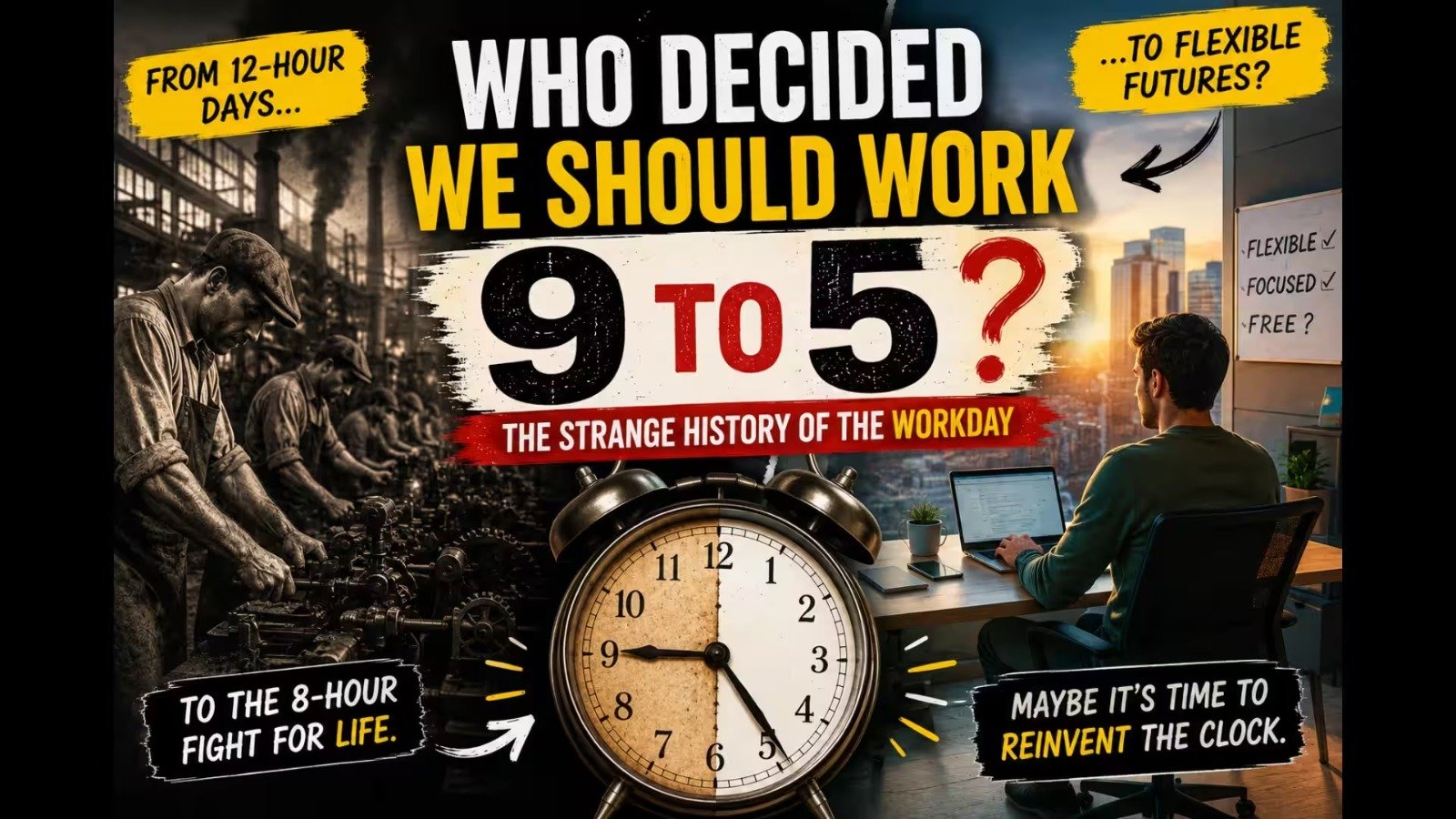
Before 9-to-5 : How Humans Went From Flexible Work to Fixed Office Hours
School, Degree, Job, Repeat : The History Behind the Life We Now Call ‘Normal’
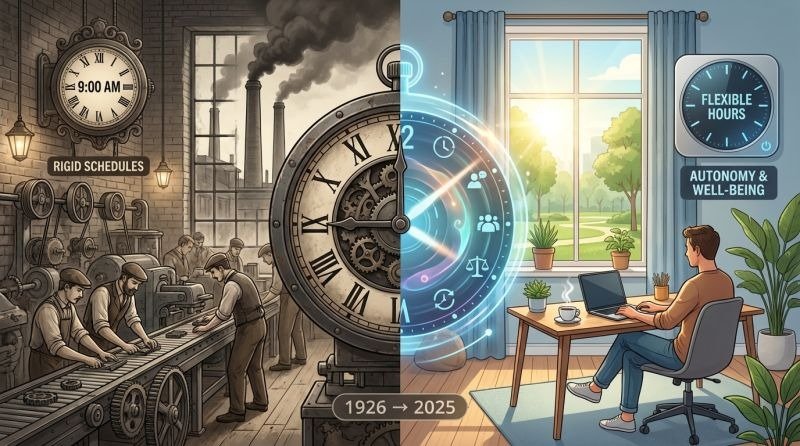
Wake up early, rush to school, sit through classes, study for exams, earn a degree and eventually settle into a 9-to-5 job for millions of people, this routine feels so normal that it is easy to assume humanity has always lived this way, but history tells a very different story. The modern cycle of school → degree → job → fixed working hours is largely the product of centuries of social, economic and industrial transformation.
In ancient societies, education was rarely organised around today’s fixed timetables, classrooms and standardised examinations; children often learned through their families, communities, religious institutions, skilled craftsmen or teachers, with agriculture, animal husbandry, trade and practical skills forming an important part of everyday learning.
One early example of organised competitive education came from imperial China, where civil-service examinations developed over centuries and were expanded under the Tang and Song dynasties, creating a system in which candidates could compete for government positions based on examination performance rather than simply hereditary status, although access remained highly unequal.
The biggest transformation, however, came with the Industrial Revolution of the 18th and 19th centuries, when factories, machines and large-scale production created a demand for workers who could read, write, calculate, follow instructions and operate within strict schedules. As industrial economies expanded, organised schooling also grew, with regular classes, timetables, examinations and discipline increasingly preparing young people for a structured working world.
Factory employment initially meant extremely long working days, with many workers labouring 12 to 16 hours a day, prompting powerful labour movements to demand shorter hours and better conditions. The famous eight-hour workday became an international labour standard in the early 20th century, with the International Labour Organization adopting the principle of eight hours a day and 48 hours a week in 1919.
Over time, education and employment became increasingly connected: schools provided foundational knowledge, colleges offered specialised training, degrees became important gateways to professional careers, and the office gradually became a defining workplace for the growing service economy.
Yet the 9-to-5 system was never an unchanging law of human life it was a social structure shaped by industrialisation, labour struggles, economic needs and changing institutions.
Today, technology is once again challenging that structure as work-from-home, hybrid jobs, freelancing, flexible schedules, part-time employment and skills-based hiring gain ground, while many employers increasingly value practical abilities, experience and adaptability alongside formal degrees.
In other words, the journey from ancient learning to the modern office was not inevitable and just as industrialisation created the 9-to-5 world, the digital age may now be quietly rewriting it.