
 newspop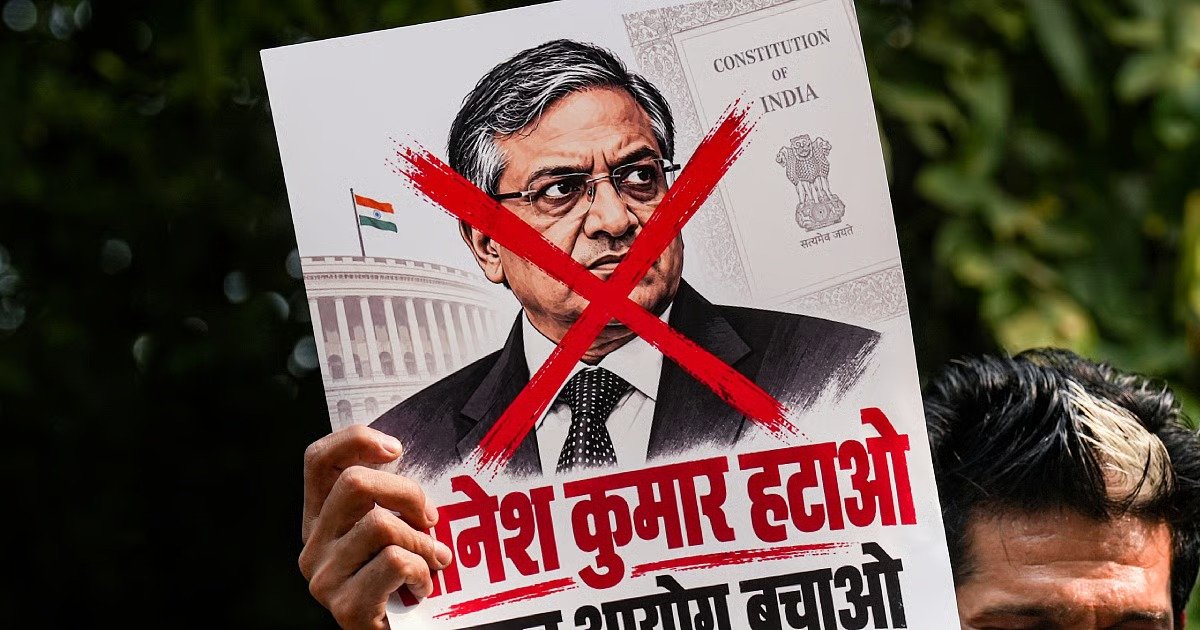
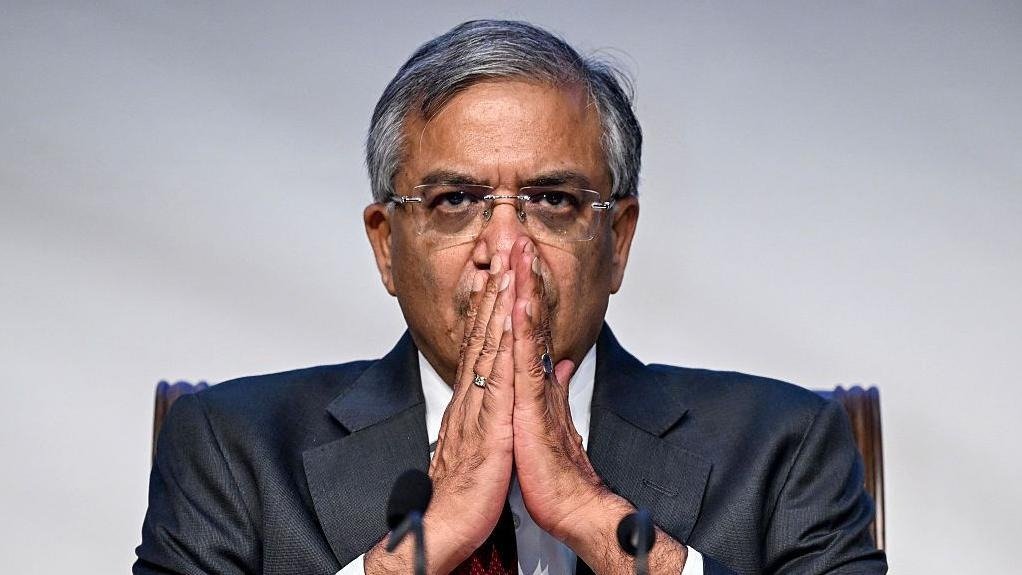
New Delhi : The political battle over the Election Commission’s Special Intensive Revision (SIR) of electoral rolls intensified on Friday, September 25, as protests were held across several parts of India with opposition parties demanding action against Chief Election Commissioner Gyanesh Kumar.
Congress workers staged demonstrations in multiple cities, including Delhi, Chandigarh, Patna, Guwahati and other locations, alleging irregularities in the electoral-roll revision process and demanding Kumar’s resignation or removal. In Chandigarh and Patna, police used water cannons to disperse protesters, while Assam Congress chief and MP Gaurav Gogoi was among leaders detained during a demonstration in Guwahati.
The protests intensified following a report by The Indian Express, which said Election Commissioners Sukhbir Singh Sandhu and Vivek Joshi had formally recorded objections at least 14 times over a 10-month period regarding decisions and orders connected with the electoral-roll exercise. According to the report, their objections included concerns over the addition and deletion of voter names, changes to voter-registration procedures and the centralisation of access to electoral-roll software.
These are findings attributed to the Indian Express investigation and do not by themselves establish electoral fraud.
The issue has triggered strong reactions from opposition parties and leaders. Congress has used the “vote chori” slogan while demanding accountability from the Election Commission, whereas the ruling BJP has argued that differences of opinion within a constitutional body can form part of normal deliberations. Meanwhile, the Cockroach Janta Party (CJP) has also demanded CEC Gyanesh Kumar’s resignation and announced plans for a nationwide campaign over the SIR controversy.
In New Delhi, Indian Youth Congress workers demonstrated outside the Election Commission headquarters, wearing masks depicting Gyanesh Kumar and displaying chains as part of their protest symbolism. Security personnel and barricades were deployed around the area, with protesters demanding Kumar’s resignation.
In Chandigarh, Congress workers attempting to move towards the election office were stopped by police, with water cannons used during the confrontation.
The controversy has also drawn reactions from leaders outside the Congress. MNS chief Raj Thackeray demanded Gyanesh Kumar’s resignation on September 24 and called for the SIR exercise to be scrapped, while also backing a return to paper ballots instead of EVMs. His remarks followed the reported objections raised by Sandhu and Joshi.
At the same time, RJD has taken its protest to the streets in Bihar, while opposition leaders including M K Stalin have publicly demanded action against the CEC and a halt to the SIR exercise. The dispute has therefore expanded beyond Parliament and political statements into street demonstrations across several states.
The central issue remains the SIR of electoral rolls and the reported internal disagreements within the three-member Election Commission. While opposition parties have described the developments as evidence of serious problems in the electoral process, the reported objections and political allegations should be distinguished from independently established findings of electoral fraud.
The protests, detentions and clashes with police nevertheless mark a significant escalation in the political confrontation surrounding the Election Commission and the voter-roll revision exercise.



 Mudasir Maqbool