 newspop
Diwali Celebration vs Pollution : Supreme Court Seeks a Balance
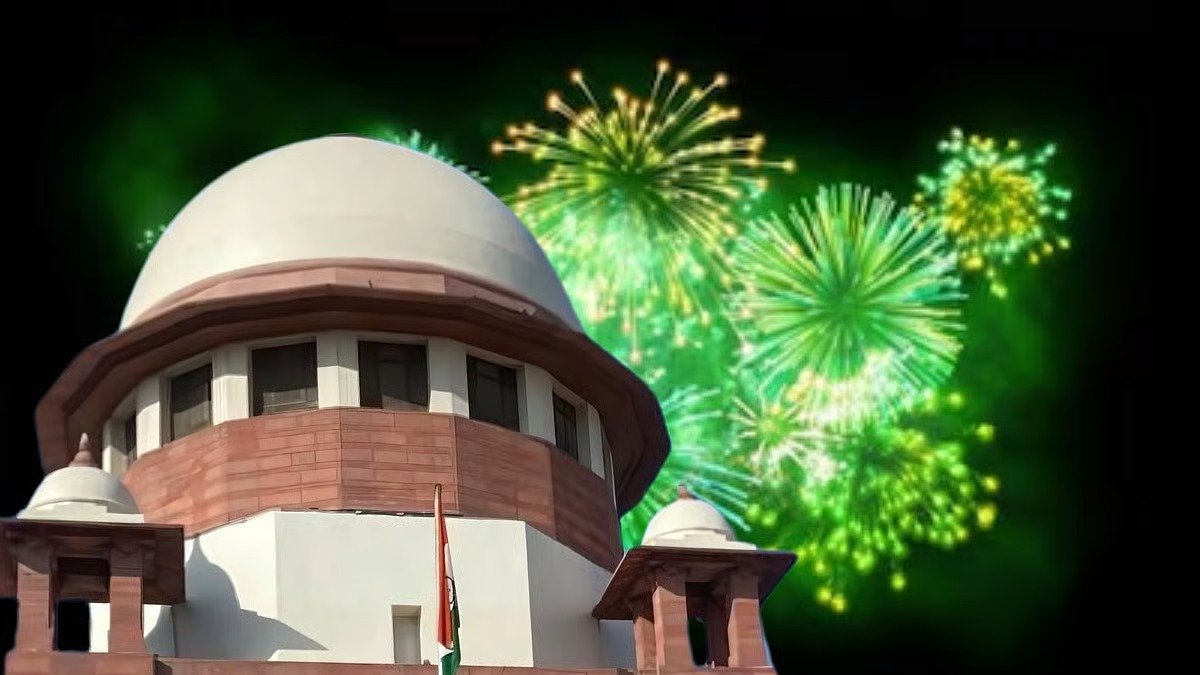
New Delhi: Big development ahead of Diwali. The Supreme Court has made it clear that a complete nationwide ban on firecrackers is not being considered, but that does not mean people will have unlimited freedom to burst crackers at any time or of any kind. During the hearing on firecracker-related pollution, the Supreme Court observed that Diwali is closely associated with the sentiments, traditions and celebrations of millions of people, and that these cultural aspects also have to be taken into account while framing restrictions.
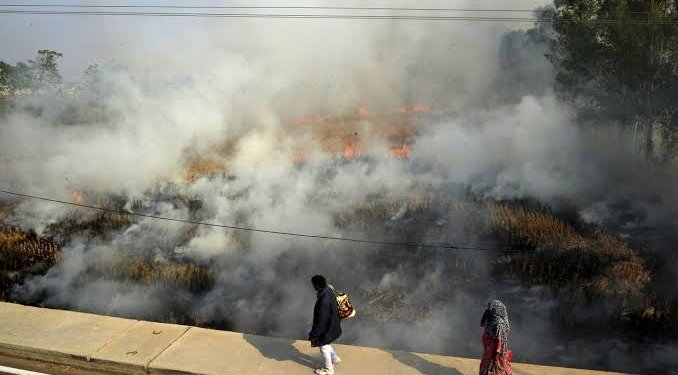
At the same time, the Court highlighted concerns over the impact of prolonged firecracker use on air quality, noise levels and public health, particularly for vulnerable groups such as children, elderly people and those who are unwell.
The Court indicated that bursting firecrackers continuously for 24 hours cannot be permitted, and it is examining the possibility of regulating both the type of firecrackers that can be used and the specific time period during which they may be burst. The aim of the proceedings is to find a balance between the right to celebrate a major festival and the need to reduce pollution and protect public health.
The matter has particular importance for Delhi-NCR, where firecracker-related pollution has been a subject of litigation before the Supreme Court for several years. Since 2015, the Court has issued various directions concerning the use of firecrackers in the region, including restrictions relating to permissible crackers and emissions. Over the years, the Court has also emphasised the use of less-polluting or ‘green’ firecrackers and compliance with environmental and noise-related requirements.
The latest proceedings continue that broader debate over how festive celebrations can take place while limiting their harmful impact. Importantly, the Court’s observation about there being no blanket nationwide ban should not be interpreted as a free pass to burst any cracker anywhere and at any time.
Different states, cities and local authorities may have their own applicable rules, while existing court directions and environmental regulations also remain relevant. The Supreme Court is expected to examine the issue of permissible firecracker categories and timings in greater detail, with the next hearing scheduled for October 15. The developments will be closely watched as Diwali approaches, particularly in pollution-sensitive areas where authorities have historically imposed additional restrictions.
The Supreme Court’s observations bring the focus back to a long-running question : how can traditional celebrations be protected while also addressing pollution and health concerns ? Firecrackers are associated with festive celebrations for many families, but their use can also temporarily increase particulate pollution and noise levels, especially when large numbers of people burst them simultaneously.
The Court’s approach in the ongoing proceedings indicates that the issue is not simply about choosing between a total ban and unrestricted use. Instead, the discussion is centred on possible time limits, permissible categories of crackers and compliance with environmental standards. This means the final framework may depend on the Court’s subsequent orders as well as rules applicable in individual areas.
For now, the key takeaway is that there is no blanket nationwide prohibition announced by the Supreme Court, but restrictions on timing, type and manner of use may still apply. People should therefore check the rules applicable in their own state or city before using firecrackers during Diwali.
The Supreme Court’s next hearing on October 15 could provide further clarity on the restrictions and conditions surrounding firecracker use. Until then, the legal position should be understood in the context of existing court orders and local regulations rather than as unrestricted permission.