 newspop
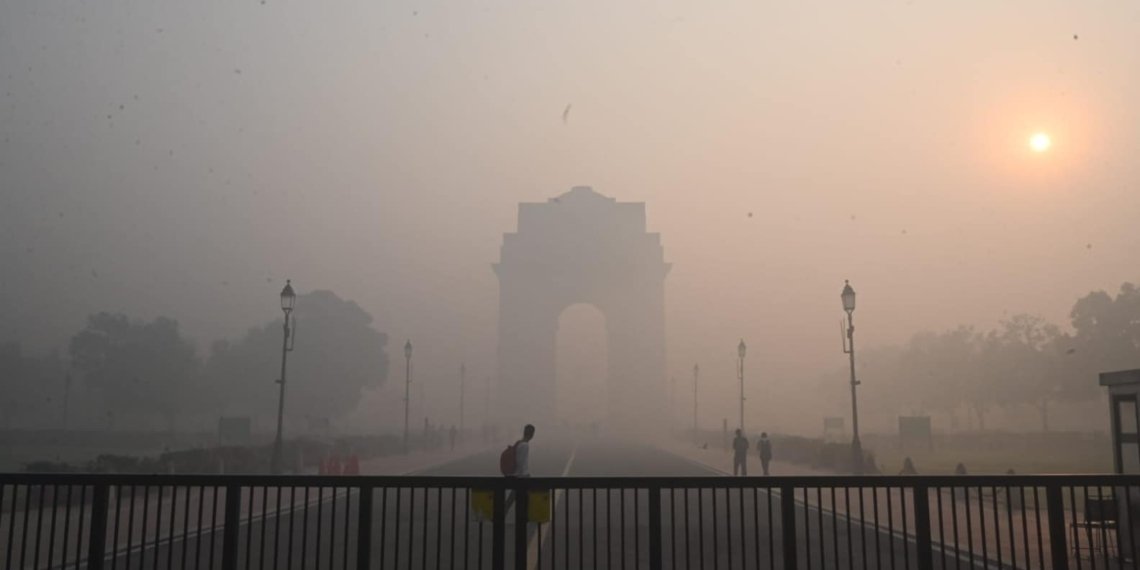
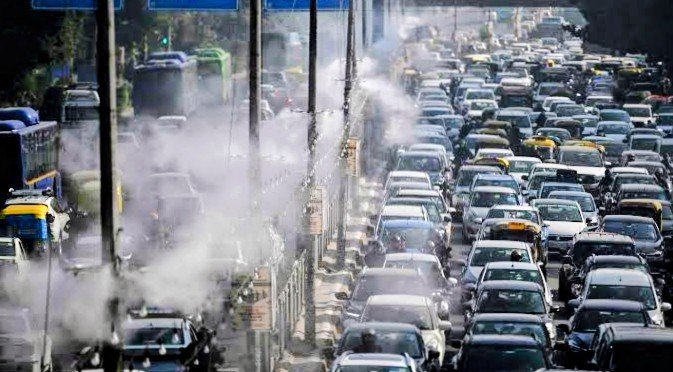
New Delhi : Delhi witnessed its third-worst post-Diwali air pollution episode since 2021, with an analysis of Central Pollution Control Board (CPCB) data revealing alarming pollution levels alongside significant gaps in official air quality monitoring.
More than half of Delhi’s air quality monitoring stations reportedly stopped transmitting real-time data around midnight on Diwali night, coinciding with the period when pollution levels were rising sharply. The data blackout has raised concerns that the actual extent of the post-Diwali pollution spike may not have been fully captured.
Despite the disruption, readings from operational stations painted a grim picture. More than 80% of the functioning CPCB stations recorded PM2.5 concentrations in the severe category, corresponding to an AQI above 400, between 10 PM on Diwali night and 6 AM on Monday. Before the reporting stations began going offline, 61% of the 57 active stations had already registered AQI readings of 400 or higher by 9 PM.
A comparison of six long-term monitoring stations — Alipur, Aya Nagar, Bawana, IHBAS-Dilshad Garden, Narela and Punjabi Bagh — placed Delhi’s average peak PM2.5 sub-index at 655 around 1 AM on Monday. This makes the 2026 post-Diwali pollution episode the third worst since 2021, behind 2021, when the figure stood at 812, and 2025, when it reached 752.
Weather conditions, however, appear to have prevented the situation from deteriorating further. Meteorological observations from the Palam observatory indicated relatively warmer nighttime temperatures, ranking among the warmest Diwali nights since 2021. Moderate wind speeds after midnight also helped disperse some of the particulate matter released by firecrackers.
While favourable weather may have limited the severity of the pollution spike, the widespread monitoring outages have left significant questions about the true scale of Delhi’s post-Diwali air pollution.