

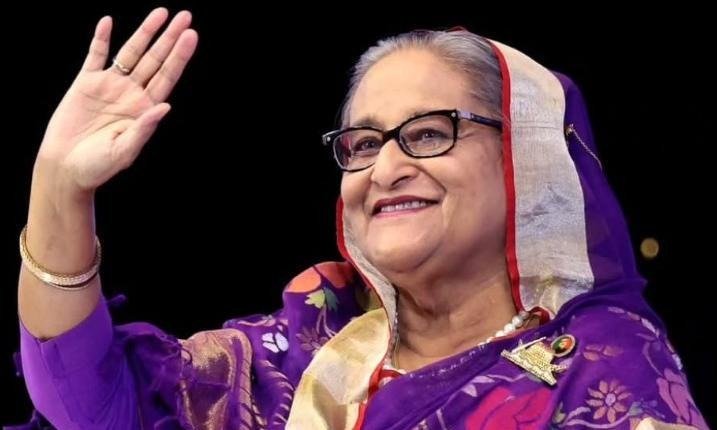
New Delhi: A dramatic political development is unfolding around former Bangladesh Prime Minister Sheikh Hasina, who has reportedly expressed her intention to return to Bangladesh in December, despite facing a death sentence handed down by a Bangladeshi court. Hasina has been staying in India since August 2024, when she left Dhaka amid massive political unrest and an escalating crisis that led to the end of her long tenure in power.
Now, more than two years after her departure, her reported return plan has brought India-Bangladesh relations and the question of her political future back into the spotlight. According to international media reports citing Indian diplomatic and military sources, New Delhi is reportedly open to the possibility of her return but wants firm assurances regarding her personal security and the guarantee of a fair and impartial legal process.
The reported conditions are particularly significant because Hasina faces serious legal consequences in Bangladesh, including a death sentence, while the Bangladeshi authorities have repeatedly sought her extradition from India. However, India’s Ministry of External Affairs spokesperson Randhir Jaiswal avoided confirming or denying the reports when questioned by journalists on November 13, leaving New Delhi’s actual position unclear.
Meanwhile, Bangladesh’s government, led by Tarique Rahman, has neither officially confirmed the reported December return plan nor issued a clear response to the claims. Adding another twist to the developments, K.M. Nazmul Haque, an assistant press secretary to the Bangladeshi Prime Minister, reportedly claimed in a Facebook post that several countries, including the United Kingdom, the United Arab Emirates, Saudi Arabia, Finland, the United States, Belarus and Qatar, were unwilling to provide Hasina refuge. He also suggested that her options for staying abroad were becoming increasingly limited.
In another important development, Hasina reportedly applied for a new passport and travel documents on November 9, which the report describes as her first formal communication with the Bangladeshi authorities since leaving the country.
However, Dhaka has reportedly not given a positive response to her application, while some Bangladeshi political leaders have insisted that India should hand her over to face the legal proceedings. Former Indian diplomat Veena Sikri has reportedly described the Bangladeshi government’s position on Hasina’s passport application as extremely tough.
The situation has therefore become a delicate diplomatic and political challenge for India, which must consider its bilateral relationship with Bangladesh alongside questions surrounding Hasina’s safety, legal rights and possible extradition. Although Hasina’s reported intention to return in December has triggered intense speculation, neither the Indian government nor the Bangladeshi government has officially confirmed the reported arrangements.
Will Sheikh Hasina return to Bangladesh despite the death sentence, and what role will India play in this high-stakes political development? The coming weeks could prove crucial for the future of Hasina and the already sensitive relationship between New Delhi and Dhaka.
