
 newspop
‘Kalia Bhog’ Demand Drives Record Sales as Millions of Pilgrims Take Home Puri’s Famous Khaja
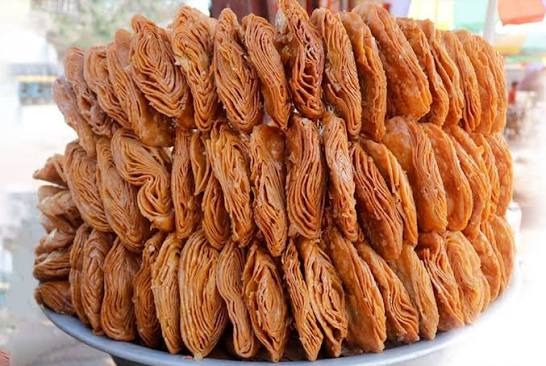
Puri: As the sacred chants of “Jai Jagannath” echoed across the holy city of Puri and millions of devotees gathered to witness the divine Rath Yatra, one timeless tradition united every pilgrim beyond the sacred darshan , the cherished Khaja Mahaprasad. More than just a sweet, Khaja is a symbol of faith, devotion, and the blessings of Mahaprabhu Jagannath. For countless devotees, returning home with Khaja is like carrying a piece of Puri’s divine grace and sharing Lord Jagannath’s blessings with their loved ones.
This year’s Rath Yatra once again reflected that deep spiritual bond, as an unprecedented demand for Puri’s iconic Khaja turned the holy offering into a record-breaking celebration of devotion, with devotees purchasing nearly ₹100 crore worth of Khaja in just ten days. The world-famous Puri Khaja, one of the most cherished dry Mahaprasad offerings associated with Lord Jagannath, witnessed record-breaking demand during this year’s Rath Yatra. According to traders, nearly ₹100 crore worth of Khaja was sold in just 10 days, making it one of the biggest festive markets in recent years.
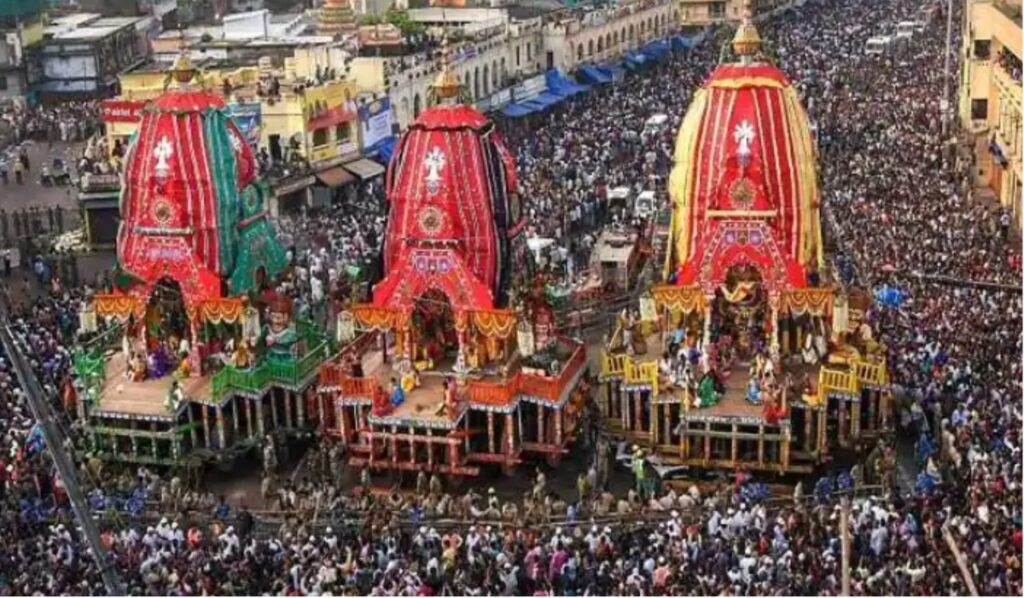
With over 30 lakh devotees visiting Puri during the nine-day Rath Yatra celebrations, Khaja remained the most sought-after takeaway for pilgrims. Thousands of visitors purchased the sweet from the Shree Jagannath Temple’s Anand Bazaar, the Adapa Mandap Anand Bazaar, and hundreds of temporary shops set up across the Grand Road, city streets, and highways leading towards Bhubaneswar.
Three Times More Shops, Record DemandThis year, the number of Khaja outlets in Puri was nearly three times higher than in previous years. Anticipating huge demand, wholesalers and retailers stocked large quantities of Khaja even before the Rath Yatra began.
The overwhelming response resulted in an estimated ₹100 crore in total sales, providing a major boost to the local sweet-making industry and seasonal businesses.’Kalia Bhog’ Name Used to Attract Buyers.
Amid the booming business, some vendors reportedly marketed ordinary Khaja as “Kalia Bhog” to attract devotees. Many pilgrims from outside Odisha purchased these products believing they were authentic offerings associated with Lord Jagannath.
Local residents expressed concern over such marketing practices, saying that using religious sentiments for commercial gain could mislead unsuspecting devotees.Prices Double During the Festival. The unprecedented demand also led to a sharp rise in prices. Khaja that is normally sold for ₹100–₹150 per kg was reportedly priced between ₹200 and ₹300 per kg by many roadside vendors during Rath Yatra.
Meanwhile, premium Khaja prepared using pure cow ghee at well-known sweet shops in Puri continued to sell for around ₹400 per kg, with customers preferring these outlets for their quality and authentic taste.
Most devotees were seen purchasing 2 to 5 kilograms of Khaja to carry home for family members and friends after their pilgrimage. Vendors Earn Handsome Profits. Many traders reported exceptional business during the festival.
Temple Mahaprasad Remains the Most PreferredKhaja prepared inside the Shree Jagannath Temple and offered to Lord Jagannath as Mahaprasad continues to enjoy unmatched popularity for its unique aroma, taste, and religious significance.
This year alone, more than ₹40 crore worth of Khaja was reportedly sold through the temple’s Anand Bazaar and Adapa Mandap Anand Bazaar, reflecting the immense faith devotees place in the sacred offering.
Call for GI Recognition Gains AttentionDespite its global popularity, traders and locals believe that Puri Khaja deserves a Geographical Indication (GI) tag to protect its authenticity and strengthen its identity worldwide. Although efforts to secure GI recognition were initiated a few years ago, stakeholders say the proposal has made little progress.
With demand continuing to rise every Rath Yatra, many believe official recognition would help preserve the traditional recipe, support local artisans, and promote Odisha’s rich culinary heritage on the global stage.