
 newspop
Auto Industry Body Withdraws Letter to Petroleum Ministry
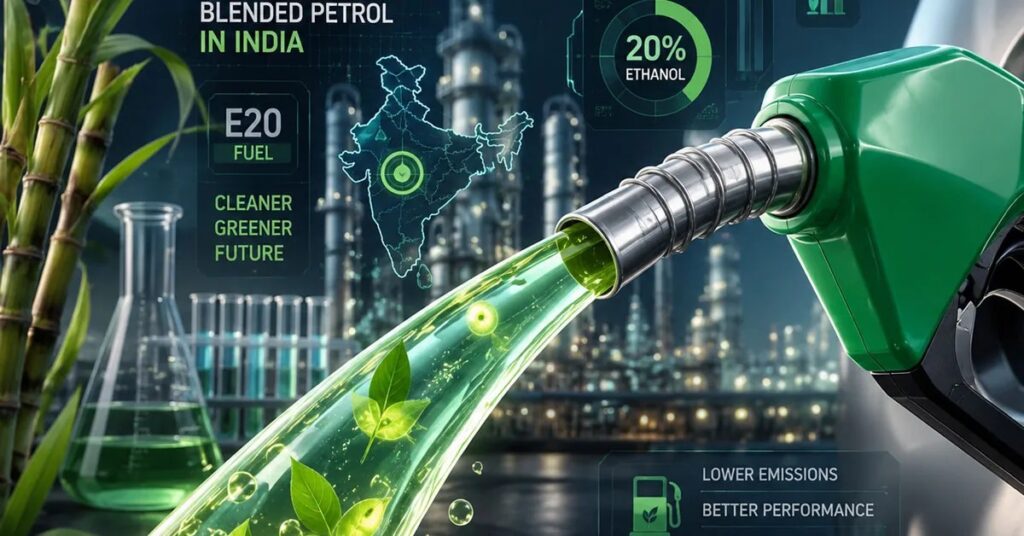
New Delhi : The ongoing debate over E20 petrol has taken a fresh turn after the Society of Indian Automobile Manufacturers (SIAM) formally withdrew a letter it had earlier sent to the Petroleum Ministry raising concerns over the quality of ethanol-blended petrol and its possible impact on vehicle components.
In its earlier communication, SIAM had expressed concerns about elevated levels of chloride and moisture in fuel, suggesting that poor fuel quality could potentially accelerate corrosion and wear in important vehicle components such as fuel pumps, fuel injectors and EGR valves.
However, the automobile industry body has now clarified that the data and figures cited in its July 28 communication require more detailed verification from different regions of the country. SIAM said that it would not be appropriate to reach any final conclusion on the issue without broader discussions with automobile manufacturers and the collection of additional data. In view of this, the organisation has officially withdrawn its earlier letter.
The development comes amid an ongoing public debate over the impact of E20 fuel, which contains up to 20% ethanol blended with petrol. Following the concerns raised by SIAM, the government reportedly moved to strengthen quality-control measures, including tighter specifications for chloride and sulphur levels in ethanol used for petrol blending.
Authorities have also stepped up moisture and water-content checks at fuel stations, particularly during the monsoon season. According to the information provided, checks are being conducted multiple times a day across more than 87,000 petrol pumps in the country. SIAM has now made it clear that the automobile industry continues to fully support the government’s E20 fuel programme, particularly in the context of India’s energy security and efforts to increase ethanol blending.
The organisation’s latest clarification effectively shifts the focus from a definitive claim about E20 causing vehicle damage to the need for further scientific and industry-wide assessment of fuel quality and its long-term impact.
The withdrawal of the letter is therefore being seen as a significant development in the E20 controversy, while questions surrounding fuel quality, testing standards and vehicle compatibility remain under closer scrutiny.


 Mudasir Maqbool