
 newspop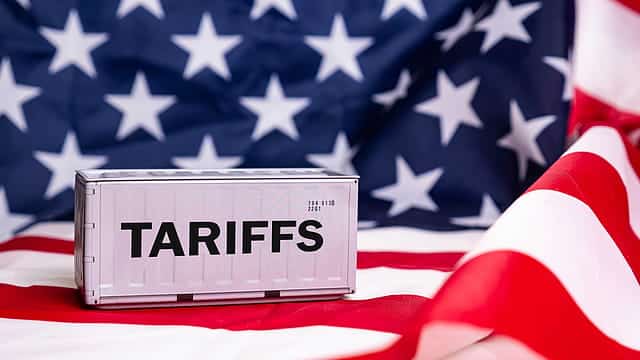
New Delhi : The US Senate has approved a sweeping Russia sanctions bill that could give President Donald Trump the authority to impose tariffs of up to 100% on countries that continue to purchase significant quantities of Russian oil and natural gas, potentially putting India and China in the crosshairs.
The legislation cleared the Senate with an overwhelming 86-11 vote and will now head to the US House of Representatives for consideration. The House is scheduled to reconvene on August 31.
Under the proposed measure, the US president could impose tariffs on imports from the world’s five largest buyers of Russian oil or gas. India and China are among the countries that could potentially be affected, alongside Azerbaijan, Hungary and Slovakia.
The bill comes as Washington steps up economic pressure on Moscow and countries maintaining major energy ties with Russia amid the continuing war in Ukraine.
If enacted, the legislation would significantly broaden the US sanctions framework. It includes measures targeting Russian political and military figures, financial institutions and energy projects, while also seeking action against older or reflagged oil tankers allegedly used to circumvent existing sanctions.
The proposed law would also allow the White House to waive certain sanctions or restrictions if the president certifies to Congress that doing so is in the US national interest.
For India, the legislation could have implications for its energy trade with Russia, as New Delhi remains a major buyer of Russian crude. India has consistently maintained that its energy procurement decisions are guided by national interests and energy security.
The bill includes an exception for countries importing less than 15% of their natural gas from Russia and taking steps to reduce their dependence on Russian supplies.
The legislation also extends beyond Russia, proposing to continue the Iran Sanctions Act of 1996 until 2031. The law provides for penalties against companies investing in Iran’s energy sector.
The Senate vote marks a significant move by Washington to intensify economic pressure on Russia, while potentially creating new trade and energy challenges for countries such as India and China.



 Mudasir Maqbool