

 newspop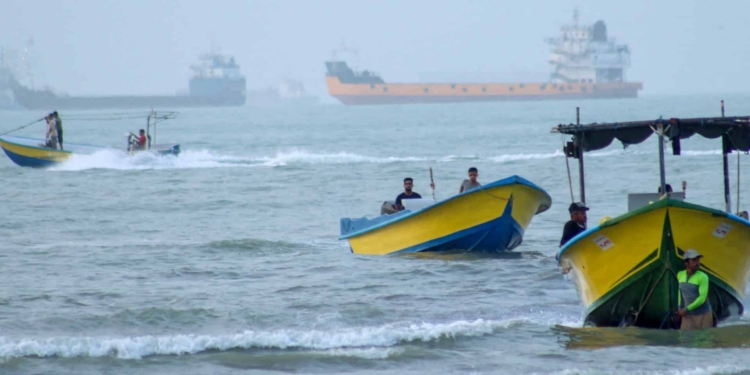
New Delhi : Iran has laid down a fresh set of conditions for reopening the strategically vital Strait of Hormuz, potentially complicating diplomatic efforts to restore normal maritime traffic amid the ongoing conflict with the United States.
Iran’s Supreme National Security Council has called for the US to end its naval blockade of Iranian ports, withdraw its forces from the region and compensate Tehran for damages it says were caused by the conflict. The demands were outlined by council secretary Mohammad Bagher Zolghadr, according to Iranian state media.
Tehran has also demanded an end to US threats, a permanent halt to hostilities involving Iran and its regional allies, the release of frozen Iranian assets and the lifting of sanctions. Iran has insisted that the waterway will not return to normal operations unless Washington changes its approach.
The United States has been pushing for an arrangement that would allow commercial vessels to safely pass through the strait. Washington has not publicly responded to Iran’s latest demands.
Iranian Foreign Minister Abbas Araghchi said Tehran was nearing an understanding with Oman on navigation through the waterway but indicated that additional conditions, including compensation over alleged US violations of the Islamabad Agreement, remained part of the discussions. Oman said talks with Iran were continuing in a positive and constructive atmosphere.
The situation was further complicated after the United Arab Emirates reported that a vessel owned by state-run Abu Dhabi National Oil Company (ADNOC) was attacked in the Strait of Hormuz on Saturday. No casualties were reported. ADNOC said more than a dozen of its vessels had come under attack in the waterway since the US-Iran conflict began earlier this year.
US Vice President JD Vance said Washington had made progress towards an arrangement to reopen the strait but stressed that no final agreement had been reached. He said the US was also examining ways to establish a safe system for commercial vessels navigating the crucial waterway.
The Strait of Hormuz remains a major concern for global energy markets as it connects the Persian Gulf with the Gulf of Oman and the Arabian Sea. Around one-fifth of global oil trade passes through the waterway, meaning any prolonged disruption could have significant consequences for energy supplies, shipping and international markets.
With Iran demanding major concessions before reopening the passage and negotiations still underway, uncertainty continues over when regular commercial traffic through the Strait of Hormuz can fully resume.



 Mudasir Maqbool