

 newspop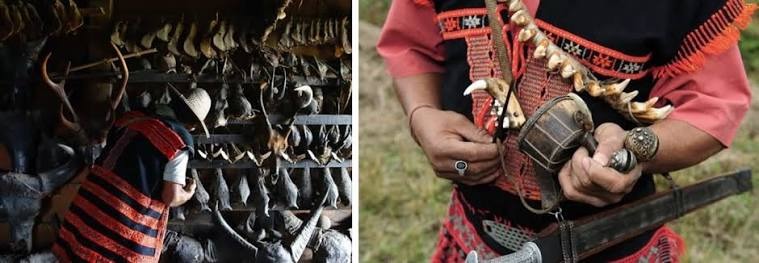
SPECIAL STORY : Beyond Fear, Beyond the Wild : The Mishmi People’s Unique Spiritual Bond With Tigers

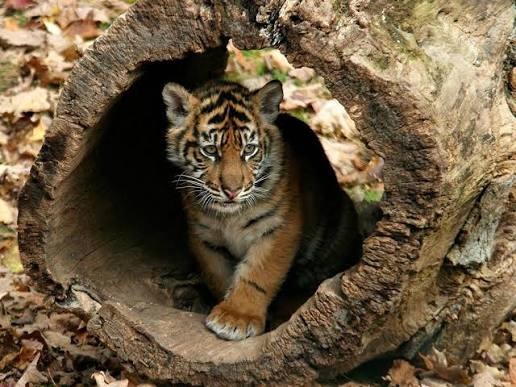
ARUNACHAL PRADESH : Deep in the misty mountains and dense forests of Arunachal Pradesh lies a remarkable cultural tradition that offers a very different way of looking at one of nature’s most powerful predators. Among the Mishmi people, traditional beliefs and folklore have long described the tiger as more than just a wild animal the tiger is regarded in some Mishmi traditions as a relative, even a brother of human beings.
This extraordinary belief reflects a deep spiritual relationship between the community and the natural world, where forests, animals and people are understood as being connected rather than existing as separate worlds. For generations, stories and oral traditions have helped preserve this unique relationship, giving the tiger a special place in the cultural imagination of the Mishmi community.
Instead of seeing the tiger only through the lens of fear or danger, these traditions can portray the animal as a powerful member of a wider ancestral or spiritual family.

When the Tiger Is Seen as Family
The Mishmi cultural landscape is closely connected with the forests and mountains of Arunachal Pradesh, an area known for extraordinary biodiversity. Within traditional narratives, the tiger occupies a particularly significant position. The idea that humans and tigers share a brotherly or ancestral connection represents a worldview in which wildlife is not merely something to be conquered or exploited.
The tiger becomes part of a larger network of relationships involving people, animals, forests and the spiritual world. Such beliefs have been passed down through generations primarily through oral traditions, stories and cultural practices, making them an important part of indigenous heritage.
A Different Way of Understanding Nature
Modern conservation often focuses on protecting endangered species through laws, protected areas and scientific research. Indigenous traditions can offer another powerful perspective: respect for wildlife can begin with seeing animals as part of one’s own cultural and spiritual world.
The Mishmi belief surrounding tigers provides a fascinating example of how traditional knowledge can influence the way communities understand their environment. When an animal is considered connected to human ancestry or family, its existence can carry a significance far beyond its ecological role.

The Forest Is More Than a Landscape
For communities whose lives have historically been intertwined with the mountains and forests, nature can represent much more than scenery. The forest can be a source of food, shelter, identity, stories and spiritual meaning. Within this worldview, the tiger’s presence becomes part of the cultural landscape itself. The animal’s strength, mystery and importance in the ecosystem can be reflected through stories that explain the relationship between humans and the wild.
Stories That Preserve Cultural Memory
One of the most fascinating aspects of such traditions is the role of oral storytelling. Long before information was recorded in books or digital archives, communities preserved knowledge through stories told from one generation to another.
These narratives could carry lessons about nature, identity, morality and relationships between humans and animals. The Mishmi tiger traditions therefore represent not simply an unusual belief, but a window into how indigenous societies have historically understood their place within the natural world.
A Powerful Message for Conservation
The belief that tigers are connected to humans also offers an intriguing lesson in today’s conservation era. Tigers face numerous threats globally, including habitat loss, poaching and human-wildlife conflict. Scientific conservation measures remain essential, but cultural respect for wildlife can also play an important role in protecting species.
Indigenous communities often possess generations of knowledge about local ecosystems, animal behaviour and the landscape, making their cultural perspectives valuable when discussing conservation and environmental protection.
A Tradition That Challenges the Way We See Wildlife
The Mishmi belief that “tigers are brothers” may sound extraordinary to outsiders, but it reveals something profound about the diversity of human cultures. Around the world, communities have developed different ways of explaining their relationship with animals and the environment.
For the Mishmi people, the tiger can represent not only power and wilderness but also kinship, ancestry and spiritual connection.
From the remote forests of Arunachal Pradesh to the wider world, this remarkable tradition reminds us that nature can be understood in many different ways.
To some, the tiger is a predator ; in Mishmi cultural traditions, it can also be a brother. And perhaps that is the most fascinating lesson of all that protecting nature sometimes begins by recognising that we are not separate from the wild, but part of it.