
 newspop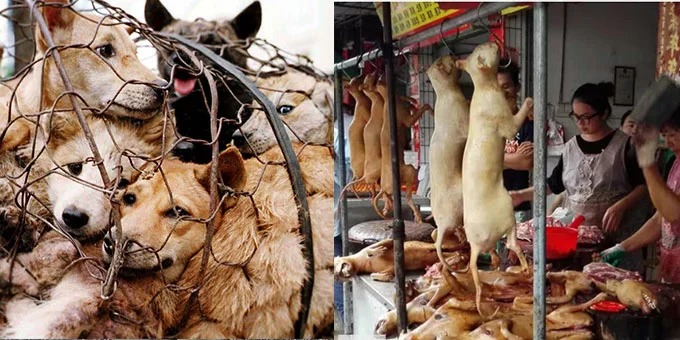
SPECIAL STORY : Yulin Dog Meat Festival: Inside China’s Controversial Tradition That Sparks Global Outcry
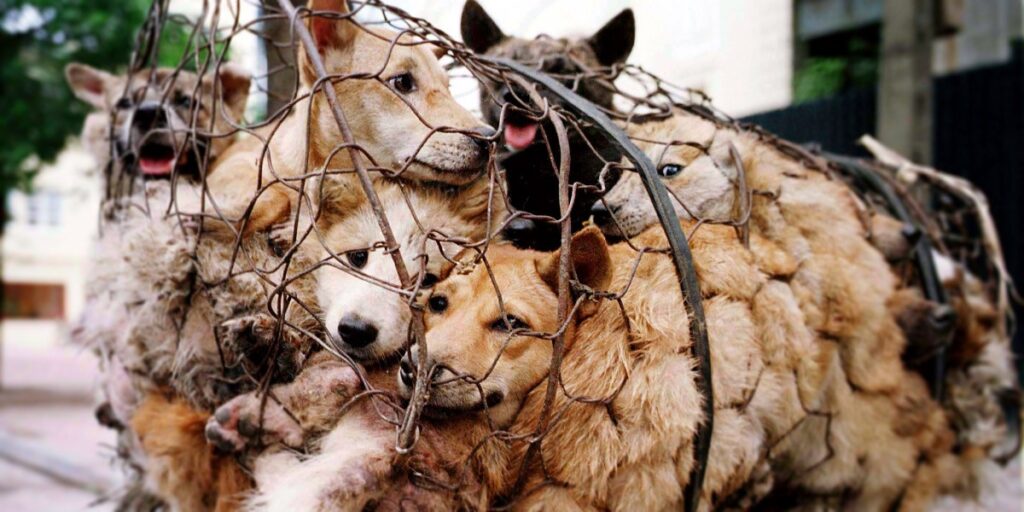
YULIN, GUANGXI, CHINA : What began as a summer food event in one Chinese city has become a global symbol of the fierce debate over animal welfare and cultural traditions. Every June, Yulin in Guangxi, China, draws international attention as the controversial Yulin Dog Meat Festival, also known as the Lychee and Dog Meat Festival, comes under the spotlight. For animal-rights activists, the event represents a painful fight against animal cruelty; for others, it has become part of a broader discussion about culture, changing attitudes and the treatment of animals. Behind the headlines lies a complex story of tradition, controversy, activism and a society whose views on dogs and the dog-meat trade continue to evolve.
Every June, the Chinese city of Yulin in Guangxi becomes the focus of a heated international debate over the controversial event popularly known as the Yulin Dog Meat Festival or Lychee and Dog Meat Festival. Traditionally associated with the summer-solstice period, the event involves the consumption and sale of dog meat alongside lychees and other foods, and has faced intense criticism from animal-rights campaigners over concerns about animal welfare, transportation and the sourcing of dogs. The event gained international attention after reports emerged in 2009, with early estimates often claiming that thousands of dogs were consumed during the June period, although the exact number has varied significantly from year to year and remains difficult to independently verify.
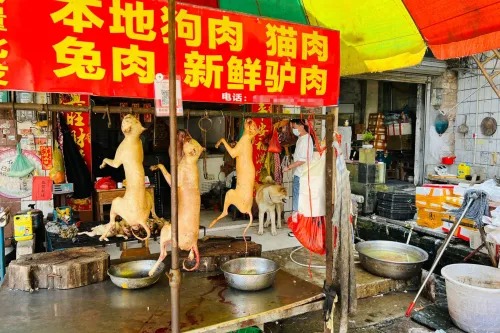
While the festival is sometimes portrayed internationally as a major Chinese tradition, dog-meat consumption is not representative of Chinese society as a whole, and many people in China, including animal advocates and pet owners, have publicly opposed the trade. The controversy has also involved allegations that some dogs entering the trade may be stolen pets or illegally sourced animals, further intensifying calls for stronger animal-protection measures. At the same time, supporters of the practice have argued that food traditions should be viewed within their cultural and regional context, creating a wider debate over culture, animal welfare and changing social attitudes. Over the years, estimates of the number of dogs involved have reportedly declined in some accounts, but there is no universally accepted official figure, making dramatic numerical claims difficult to confirm.
Today, the Yulin controversy extends far beyond food, raising questions about animal trafficking, humane treatment, public health and the rapidly changing relationship between people and animals. For animal-rights campaigners, the event remains a powerful symbol of the fight against cruelty, while the broader discussion highlights an evolving debate within China itself. More than a decade after it first drew global attention, Yulin remains a flashpoint where tradition, commerce, cultural identity and growing demands for animal welfare continue to collide.