
 newspop
Is It Magic or Science ? How Geckos Challenge Gravity Every Day
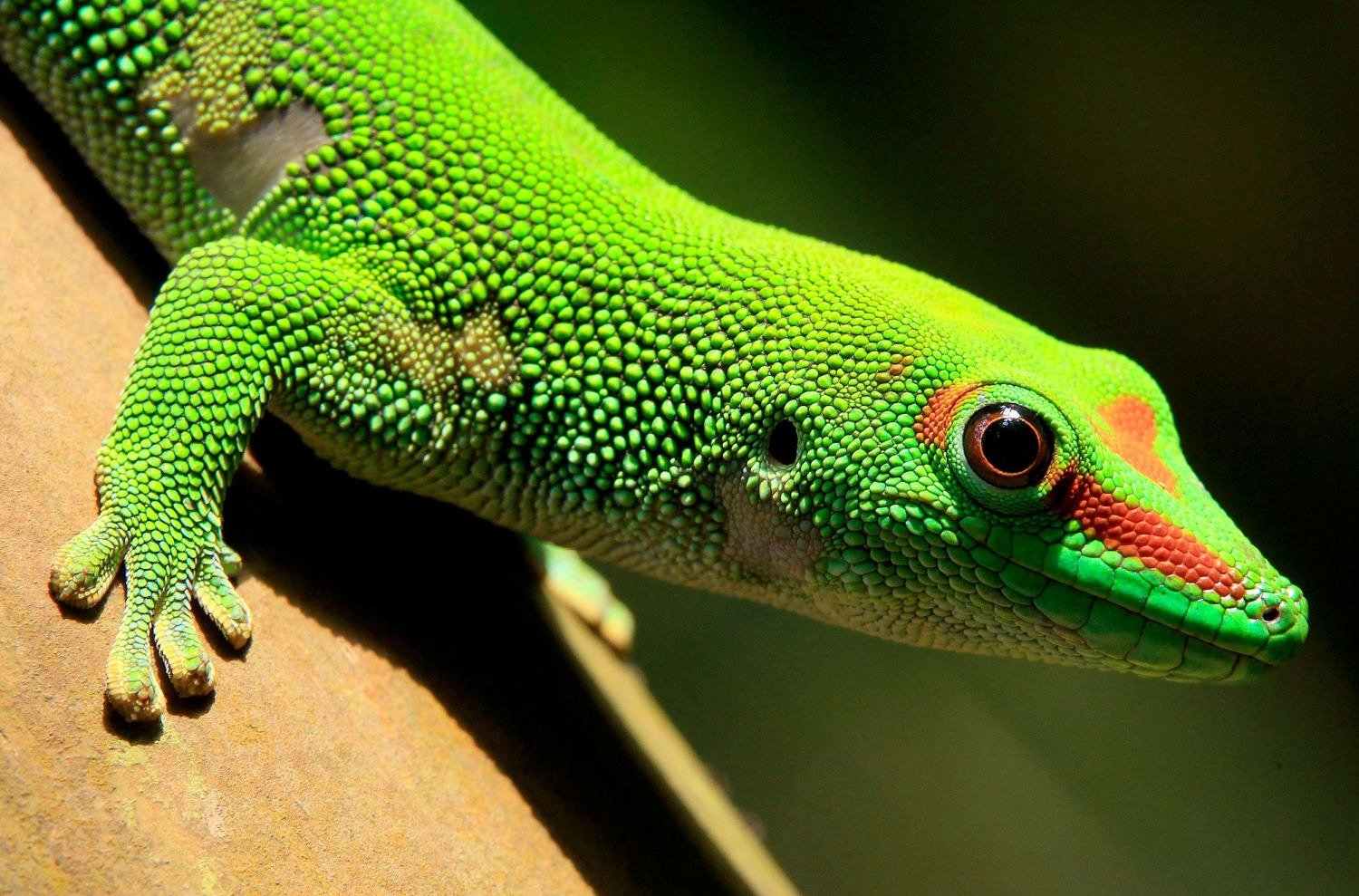
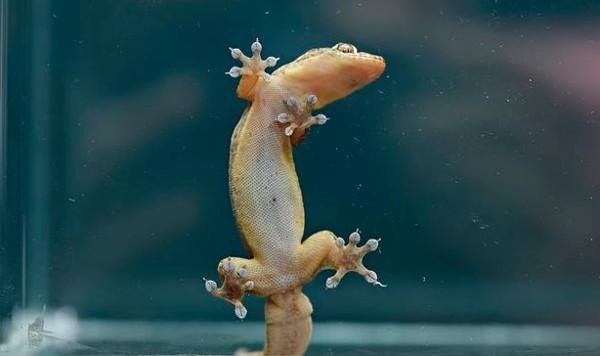
No glue, no suction cups, and no special climbing equipment. Yet a tiny house lizard can effortlessly race up vertical walls, crawl across ceilings and hang upside down without falling. Even more astonishing, it can perform these incredible movements at remarkable speed, seemingly challenging the force of gravity.
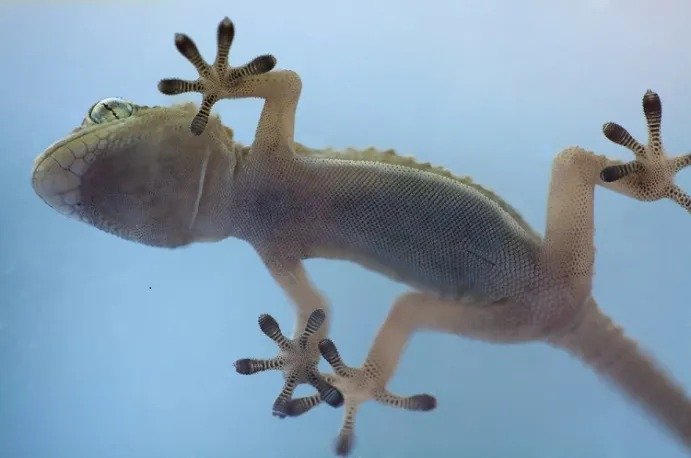
But how does this little creature manage such an extraordinary feat ? Is it a mysterious natural power or a scientific wonder ? The answer is hidden beneath its tiny feet, where millions of microscopic structures work together like an incredibly advanced natural adhesive system.
Have you ever watched a house lizard moving effortlessly across your bedroom wall or running upside down along the ceiling and wondered how it manages to stay firmly attached without falling? This fascinating ability is not magic but the result of an extraordinary biological design that has amazed scientists for years. The secret lies in the specialised feet of geckos, a group of lizards that includes several common house-dwelling species.
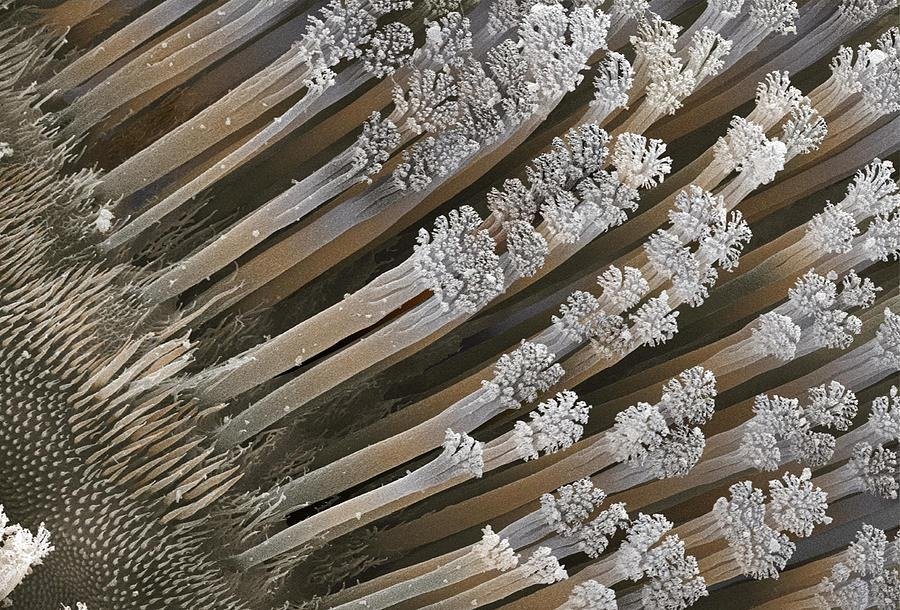
Unlike many other lizards, geckos have specialised toe pads covered with millions of microscopic, hair-like structures known as ‘setae’. These structures are so incredibly tiny that they cannot be seen with the naked eye. Under a powerful microscope, scientists can observe that each seta branches into thousands of even smaller, flattened structures called ‘spatulae’.
When a gecko places its feet against a wall, these microscopic structures come extremely close to the surface, creating a weak molecular attraction known as Van der Waals forces. Although each individual attraction is extremely small, millions of these tiny contacts combine to produce a surprisingly strong grip, allowing the gecko to support its body weight even while hanging upside down.
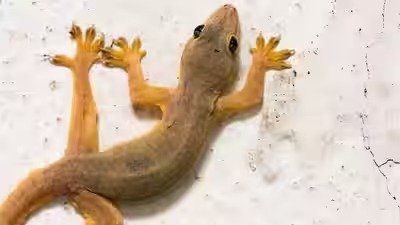
But the real wonder does not end there! A gecko does not remain stuck to the wall like an ordinary adhesive. It has a remarkable ability to control the attachment and release of its toes within fractions of a second. By changing the angle of its toes and peeling them away from the surface, it can quickly release its grip and place its feet somewhere else. This specialised movement allows it to run, climb, turn and change directions without losing its balance. Its lightweight body, flexible limbs and highly coordinated movements further help it navigate vertical surfaces with incredible agility. Interestingly, not every animal commonly called a house lizard has the same specialised foot structure.
This remarkable adhesive mechanism is particularly associated with geckos, including many species commonly found inside homes. Scientists have studied this natural climbing technology to understand how it could inspire advanced artificial adhesives, wall-climbing robots and innovative materials that can attach to surfaces without conventional glue. What appears to be an ordinary little visitor on our household walls is actually a remarkable example of natural engineering, proving that some of the most extraordinary scientific discoveries can be found right inside our homes.