
 newspop
SPECIAL STORY : When One Tree Is Attacked, the Others Get the Message
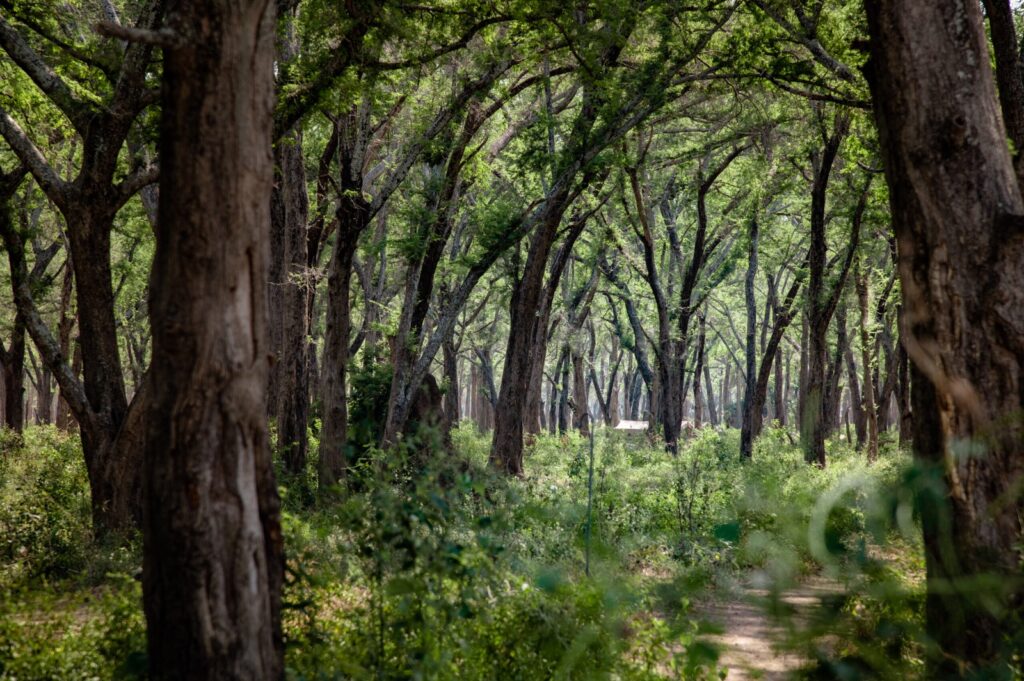
Africa : What if trees could send an invisible warning to their neighbours? In the African savannah, acacia trees have a remarkable chemical defence system that springs into action when hungry animals begin feeding on them. One tree under attack can release signals into the air, prompting nearby trees to strengthen their own defences. It’s a fascinating glimpse into the hidden language of nature, where plants may not speak but they certainly know how to respond.
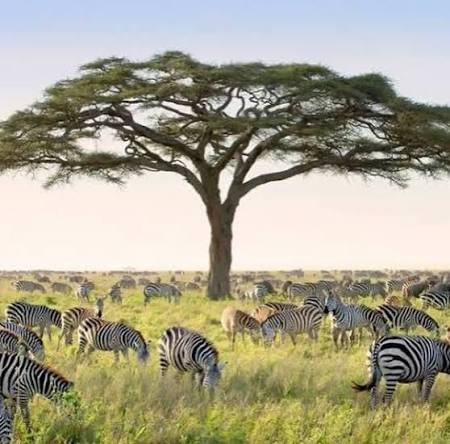
What if a tree could send an invisible warning to another tree when an animal starts eating its leaves? It may sound like something from a science-fiction movie, but Africa’s acacia trees have a fascinating chemical defence system that allows them to respond to danger in remarkable ways. When hungry herbivores such as giraffes begin feeding on an acacia, the damaged tree can release ethylene gas and other airborne chemical signals into the surrounding environment. These signals can act as an early warning for nearby plants, triggering their own defensive responses before they are attacked.
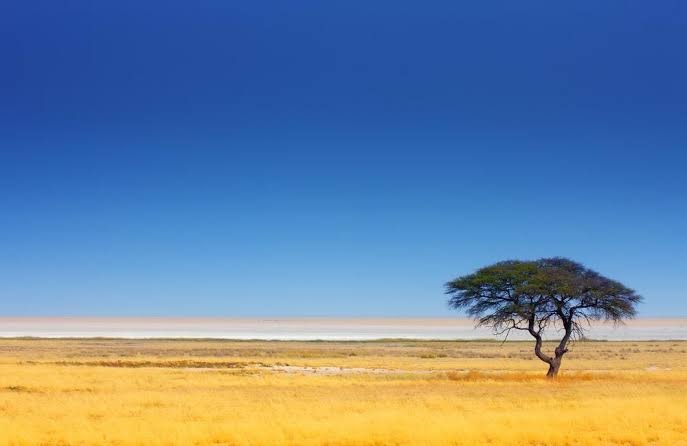
Once alerted, neighbouring acacias can increase defensive compounds such as tannins in their leaves. These compounds can make the foliage more bitter and less attractive to grazing animals, potentially encouraging them to move elsewhere in search of food. The phenomenon is often popularly described as trees “talking” to one another, although scientists more precisely describe it as chemical signalling and plant defence, rather than communication in the human sense.
The most fascinating part is that these trees have no brain, no nervous system and no voice, yet they can detect physical damage and respond to environmental threats through complex biological processes. A seemingly quiet African landscape may therefore be filled with invisible chemical signals moving between plants.

This extraordinary defence mechanism highlights just how sophisticated the natural world can be. Plants may appear motionless and silent, but beneath the surface and sometimes even through signals travelling through the air they are constantly responding to changes around them. From a giraffe taking a bite to neighbouring trees preparing their defences, the African savannah may be far more “connected” than it looks.