
 newspop
SPECIAL STORY : Birthday Candles: A Joyful Tradition or an Ancient Fire Ritual We May Have Forgotten ?
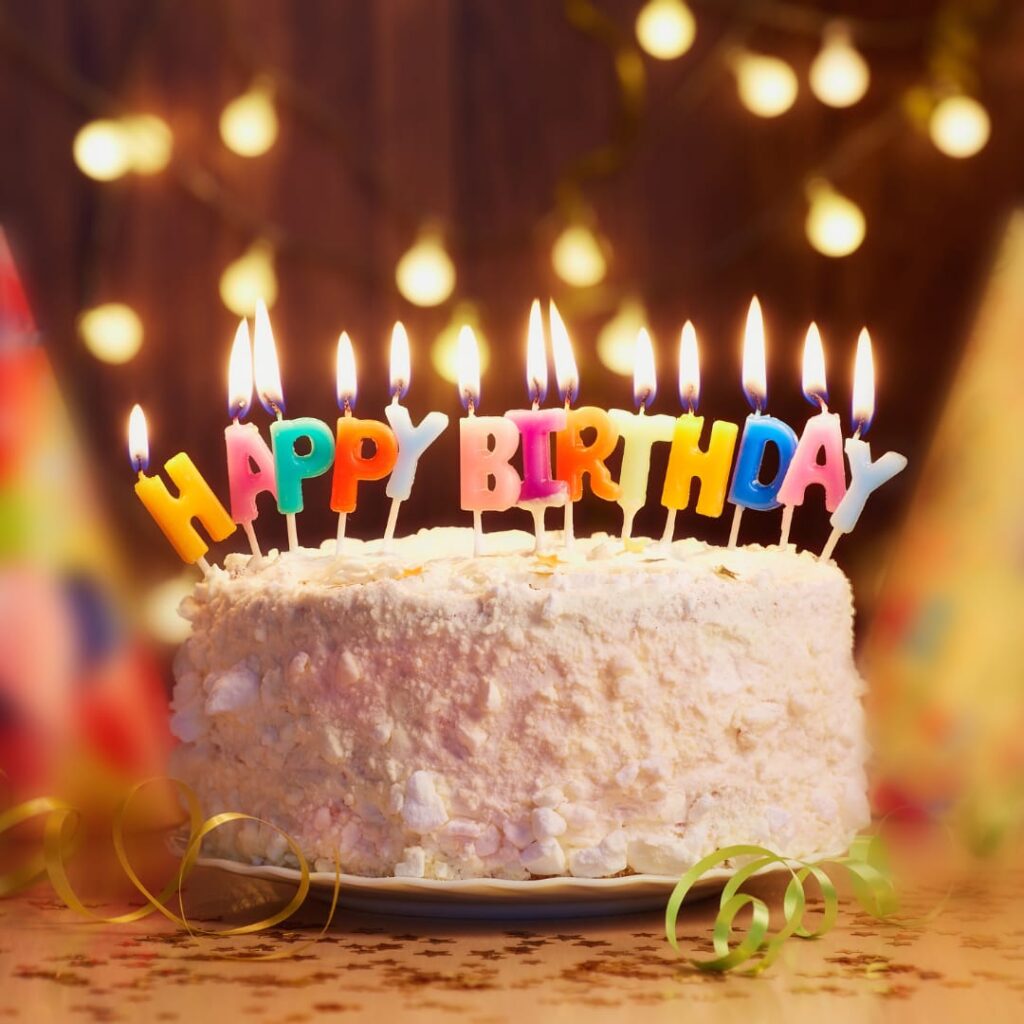
Every year, millions of people celebrate birthdays with a cake, candles, a cheerful song and a familiar ritual making a wish and blowing out the flames. But have you ever wondered how this tradition began? Why do we place candles on birthday cakes, and why do we blow them out? While popular stories connect the custom to ancient Greece and the worship of the goddess Artemis, historians say the exact origin is far more complicated. At the same time, in Hindu tradition, fire and lamps have long held deep spiritual significance, making the modern birthday-candle ritual an interesting subject of cultural debate.
From Sacred Fire to Birthday Candles: Where Did the Tradition Begin?
For ancient civilizations, fire was far more than a source of light. Flames were associated with purity, protection, divine energy and spiritual connection. Whether burning inside homes or temples, fire and lamps often carried religious and cultural significance.
This ancient reverence for fire naturally comes to mind when exploring the history of candles on birthday cakes. Although today’s birthday candle is primarily seen as a symbol of celebration, its connection with older traditions has inspired several fascinating theories.
The Ancient Greek Connection
One popular story traces the tradition of candles on cakes to ancient Greece. According to the commonly repeated account, special round cakes were prepared in honour of Artemis, the goddess associated with the moon and hunting.
Flames were reportedly placed on these cakes, creating a glowing appearance reminiscent of moonlight. The ritual is sometimes described as an offering intended to represent the moon’s radiant glow.
The story is certainly fascinating but there is an important caveat.
Historians do not have conclusive evidence proving that this ancient Greek practice directly evolved into today’s birthday-cake candle tradition. The similarities are intriguing, but a direct historical connection remains difficult to establish.
Germany and the Birthday-Cake Tradition
Another explanation points towards Germany, where birthday celebrations involving candles are better documented.
One frequently cited account connects the tradition with 18th-century German celebrations, particularly children’s birthdays. Candles were placed on cakes as part of the celebration, with the flames carrying symbolic meaning.
Some accounts mention 1746 and the Moravian leader Nikolaus Ludwig von Zinzendorf in connection with an elaborate birthday celebration involving candles. However, historians continue to debate exactly how modern birthday-cake customs developed, and the practice evolved gradually rather than emerging from a single event.
Over time, candles became an increasingly familiar part of birthday celebrations, eventually spreading widely across Europe and beyond.
Why Does Blowing Out a Flame Feel Different in Hindu Tradition ?
The birthday-candle debate becomes particularly interesting when viewed through the lens of Sanatan Dharma.
In Hindu culture, Agni (fire) has traditionally been regarded as sacred. Lamps and flames are commonly used during prayers, rituals and religious ceremonies. A lit diya is not merely a source of illumination it can symbolise knowledge, purity, auspiciousness and the presence of divine energy.
That is why many people consider deliberately extinguishing a sacred lamp during a religious ritual to be inauspicious. In traditional belief, a diya going out unexpectedly during worship may be interpreted negatively, although practices and interpretations vary among families and communities.
Birthday Cake vs Sacred Diya : Is It Really the Same ?
This is where cultural interpretations differ.
A candle on a birthday cake is primarily a modern celebratory symbol, while a diya used in puja has a specific religious and ritual significance. Therefore, treating the two practices as completely identical would oversimplify a complex cultural question.
Still, some traditionalists and cultural commentators argue that *blowing out a flame as part of a celebration feels inconsistent with the broader Indian reverence for fire. They believe that instead of extinguishing the flame, birthdays could be marked by lighting a diya, offering prayers and seeking blessings for a long and prosperous life.
A New-Age Birthday Ritual With an Ancient Question
The birthday candle may appear to be a simple part of a modern celebration, but its history opens the door to a much bigger conversation about how traditions travel, change and acquire new meanings.
From ancient beliefs surrounding sacred fire to European birthday customs and today’s colourful cakes, the humble candle has travelled a remarkable cultural journey.
So, the next time you see a birthday cake covered with glowing candles, remember it is not simply about making a wish and blowing out the flames. Behind that tiny flickering light lies a story involving history, mythology, religion, culture and centuries of evolving human traditions.
And for those who follow Sanatan traditions, the question remains : Should a birthday flame be blown out or should it be allowed to burn while prayers and blessings are offered for another year of life ?
Whatever one’s personal belief may be, the discussion reminds us that even the smallest birthday ritual can carry a much deeper cultural meaning than we realise.