
 newspop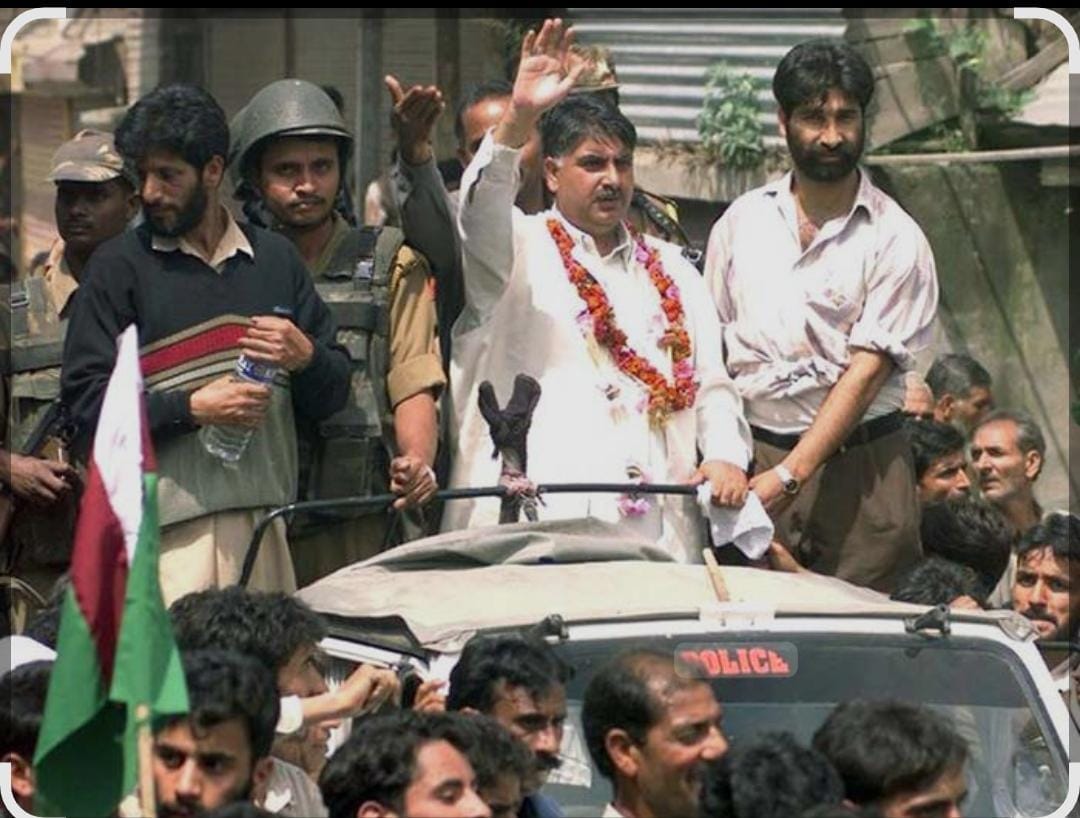
Nationalist Front spokesperson says Parray’s role during the turbulent 1990s should be remembered and urges recognition for his family
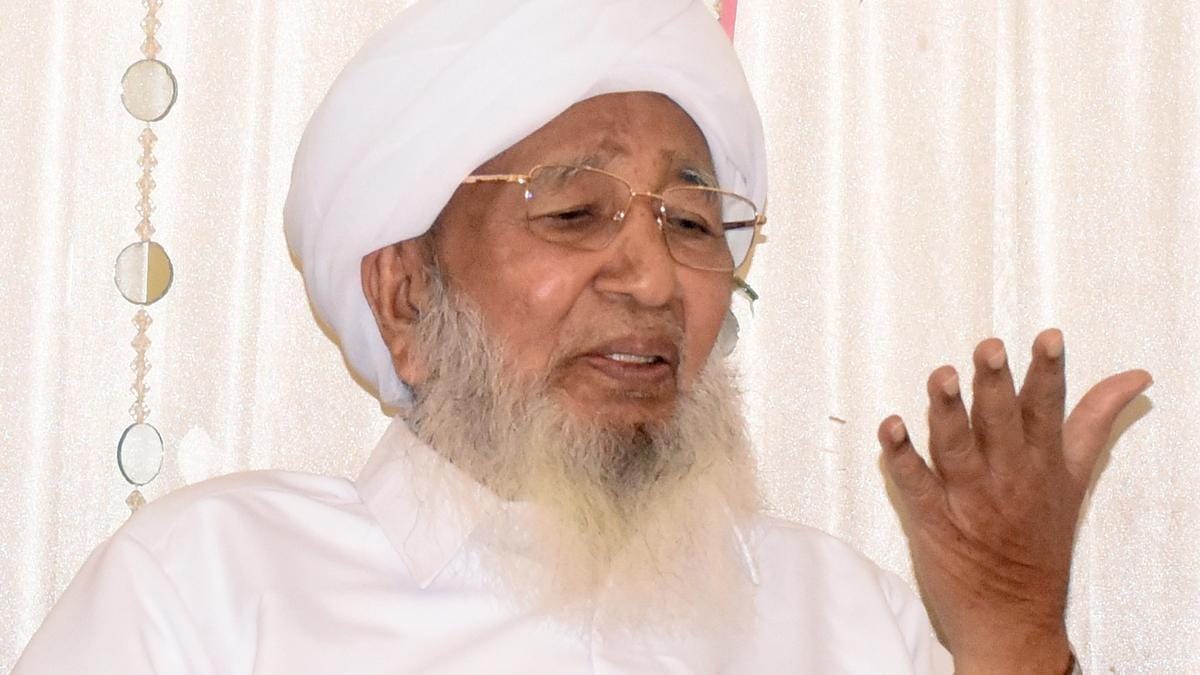
Srinagar, J & K : Nationalist Front spokesperson and Kashmir in-charge of the Shri Amarnath Yatra Welfare Organisation, Tafazul Wani, has paid a heartfelt tribute to Mohammad Yousuf Parray, popularly known as Koka Parray, describing him as an important figure in Kashmir’s transition from years of militancy and violence towards democratic politics.
Recalling the turbulent period of the 1990s, Wani said Kashmir was passing through one of the most difficult phases of its recent history, marked by militancy, violence, fear and uncertainty. He said Koka Parray chose to stand against militant groups and later became associated with the Ikhwan movement.
Wani also spoke about his own family’s experience during that period, saying that his elder brother was killed by militants. He claimed that Koka Parray also faced threats and violence from militants in 1994, following which he sought the support of security forces and became involved in efforts to counter militancy.
Wani said that if democratic institutions are functioning in the Kashmir Valley today, a significant share of the credit should go to those who stood against violence during the difficult years of the 1990s. He offered a heartfelt tribute to Koka Parray and said his contribution should not be forgotten.
Recalling his childhood, Wani said his family had personally suffered during the period militancy. He stated that the killing of his elder brother had a deep and lasting impact on his family. Wani also claimed that Koka Parray was attacked and beaten by Hizbul Mujahideen militants in 1994.
According to Wani, following the attack and continued threats, Koka Parray sought support from Indian security forces and subsequently became involved in efforts to counter militancy. Wani said Parray played an important role in the formation and functioning of the Ikhwan movement, which was involved in counter-insurgency operations in Kashmir during the 1990s.
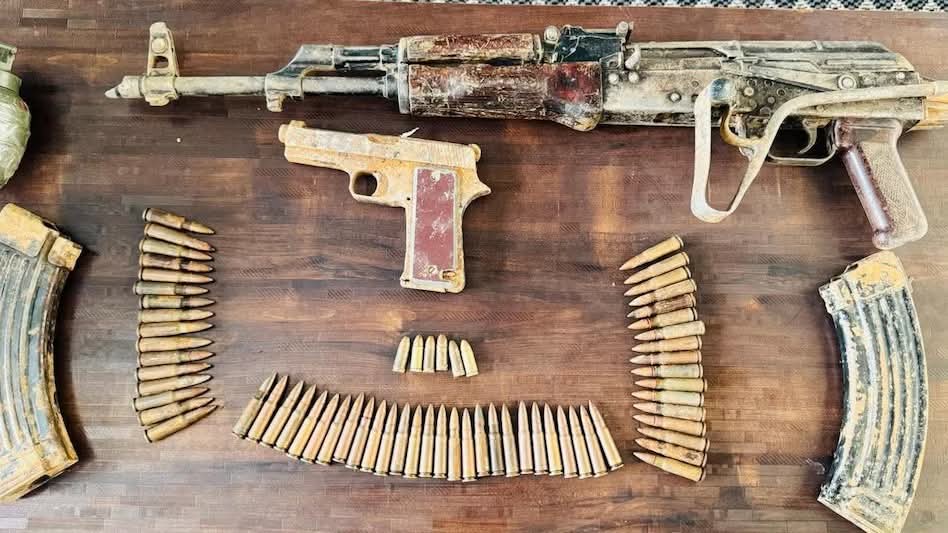
Wani claimed that large numbers of weapons were surrendered during that period and that many former militants subsequently joined the Ikhwan movement. He said Koka Parray’s efforts were not limited to confronting militants but also included working for the welfare and security of ordinary people.
“Koka Parray stood at a time when fear had become part of everyday life. Whatever differences people may have about that period, his role in opposing militancy and later entering democratic politics remains an important part of Kashmir’s recent history,” Wani said.
Wani further claimed that many innocent people were killed during the height of militancy after being branded as informers or “mukhbirs”. He alleged that ordinary families were caught between violence and fear and maintained that Koka Parray’s resistance helped protect many people.
He also linked his present political activities with what he described as the continuation of the nationalist spirit associated with the former Ikhwan movement. Wani said the Nationalist Front remains committed to what he called the national interest and the strengthening of democratic institutions.
“I believe the spirit of that struggle did not disappear. The name and political platform may have changed, but the commitment to the national interest and the fight against violence continues. I am serving as the spokesperson of the Nationalist Front,” Wani said.
Wani claimed that the Nationalist Front has around 22,000 members and said its workers remain committed to what he described as the national interest and the unity and integrity of India. He also expressed his willingness to work for what he described as the liberation of Pakistan-occupied Jammu and Kashmir, while stressing his organisation’s support for India’s territorial integrity.
Reflecting on Kashmir’s political history, Wani said India became independent in 1947, while describing 1994 as a turning point in Kashmir because of the resistance to militancy led by figures such as Koka Parray.
“Kashmir went through a very difficult phase in the 1990s. People were living under fear and uncertainty. In my view, the resistance against militancy during that period created conditions in which peace and democratic politics could gradually return,” he said.
Wani also credited Prime Minister Narendra Modi, Union Home Minister Amit Shah and Lieutenant Governor Manoj Sinha for what he described as improvements in the present security and political situation in Jammu and Kashmir.
“Today, people say that the situation in Kashmir has improved. I believe Prime Minister Narendra Modi, Home Minister Amit Shah and Lieutenant Governor Manoj Sinha have played an important role in bringing stability and improving the situation,” Wani said.
He described himself as “only a worker and fan of BJP and Prime Minister Narendra Modi” and said he was also serving as the Kashmir in-charge of the Shri Amarnath Yatra Welfare Organisation.
Wani said that in his role with the Amarnath Yatra Welfare Organisation, he remains committed to supporting pilgrims and working for their welfare and safety. He added that his political activities are driven by his belief in national unity, peace and democratic institutions.
Wani further said that Parray’s contribution went beyond his role in fighting militancy. He noted that Parray later entered mainstream politics, contested elections and represented Sonawari as a Member of the Legislative Assembly.
“Koka Parray’s contribution should be viewed in the context of the difficult circumstances prevailing in Kashmir at that time. He stood against fear and violence and later chose the democratic path by entering electoral politics,” Wani said.
Wani further claimed that Parray worked for the welfare and development of the people of Sonawari during his tenure. He said the constituency witnessed progress in areas including infrastructure, healthcare and education, while Parray also worked to ensure that the concerns of ordinary people were brought before the government.
He alleged that during the peak of militancy, several innocent people were targeted after being branded as informers. Wani maintained that Parray’s resistance to militant groups helped protect many civilians during those difficult years.
Wani also appealed to Prime Minister Narendra Modi and the President of India to consider Koka Parray’s elder son, Khursheed Yousuf Parray, popularly known as “Sheedi Bhaiya,” for the Padma Shri. He said the Parray family had made sacrifices during a difficult period and argued that Koka Parray’s contribution to the country and society deserved national recognition.
“Koka Parray was not merely a leader from Sonawari. He became a symbol of resistance against fear and violence during one of the most challenging periods in Kashmir’s history. His subsequent entry into electoral politics also reflected a shift towards democratic participation,” Wani said.
He added that the younger generation should understand Kashmir’s difficult past and recognise the importance of peace, democracy and political participation.
“History should preserve the experiences of those difficult years so that future generations understand the value of peace and democratic institutions,” Wani said.