
 newspop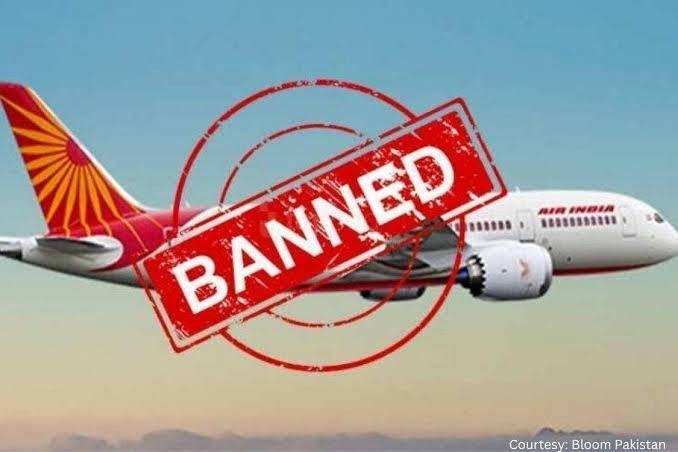
Pakistan Keeps Airspace Shut to Indian Aircraft, Ban Extended Till September 24
New Delhi : The ongoing tensions between India and Pakistan continue to cast a shadow over the aviation sector, with Pakistan extending its restrictions on Indian aircraft using its airspace for another month. According to a fresh NOTAM (Notice to Airmen) issued by the Pakistan Airports Authority, the restrictions, which were earlier scheduled to expire on August 23, 2026, will now remain in force until 4:59 AM on September 24, 2026. The extended restrictions reportedly apply to all Indian-registered commercial and private aircraft, along with aircraft operated or leased by Indian airlines.
The restrictions also cover Indian military aircraft, with the relevant Karachi and Lahore Flight Information Regions remaining closed to such flights. The move comes amid continued diplomatic and security tensions between the two neighbouring countries and is expected to have an impact on international flight operations. Indian airlines operating flights towards West Asia, Europe and North America may have to continue using longer alternative routes to avoid Pakistani airspace. Such diversions can add significant distance to international journeys, potentially resulting in longer flying times, higher fuel consumption and increased operational expenses for airlines. The restrictions could also affect flight scheduling and aircraft utilisation on certain international routes, particularly those for which Pakistani airspace would otherwise provide a more direct path.
The airspace restrictions between the two countries were introduced following heightened tensions in April 2025, after which both India and Pakistan imposed restrictions on aircraft from the other country. India has also maintained restrictions on Pakistani-registered aircraft and certain military flights using Indian airspace. With Islamabad now extending its restrictions until September 24, the aviation standoff between the two countries is set to continue, putting additional pressure on airlines already dealing with longer routes and rising operating costs. The latest extension is being closely watched by the aviation industry as airlines assess its impact on international connectivity, fuel expenses and travel times.