
 newspop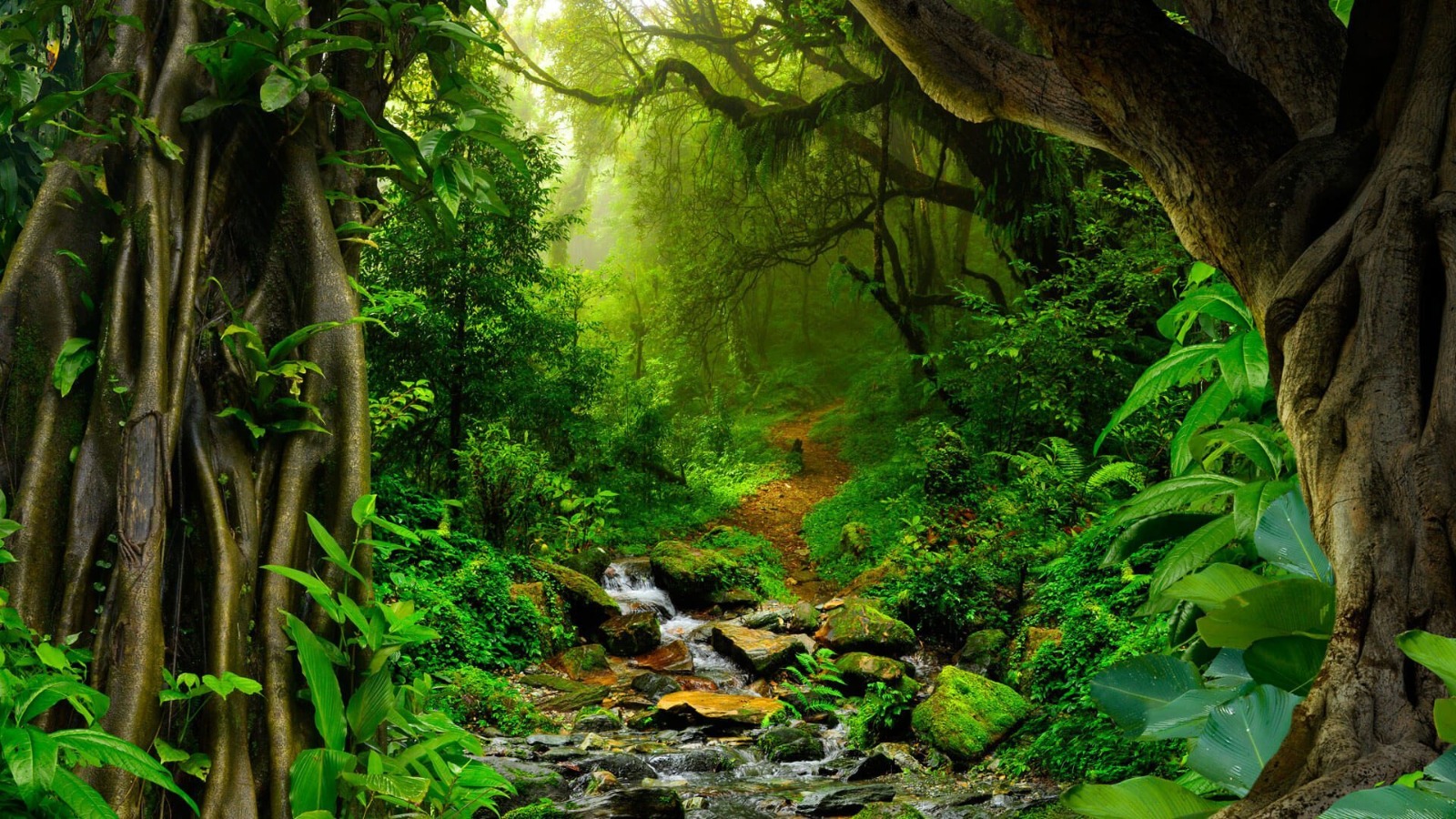
SPECIAL STORY – Step Into the Wild: The Amazon’s Most Dangerous Animals Are Closer Than You Think
Deep beneath the dense green canopy of the Amazon Rainforest, where sunlight barely reaches the forest floor and mysterious rivers wind through the wilderness, some of nature’s most powerful and fascinating creatures are waiting. From silent jaguars and giant anacondas to venomous snakes, electric predators and tiny insects capable of delivering painful stings, the Amazon is home to wildlife that commands both fear and respect.
But what makes these creatures truly dangerous? Is it their size, strength, venom, speed—or the fact that many can remain almost invisible until it is too late? Enter the wild world of the Amazon and discover the extraordinary animals that rule one of Earth’s most untamed ecosystems.
The Amazon Rainforest is one of the most extraordinary ecosystems on Earth, covering millions of square kilometres across South America and sheltering an astonishing variety of wildlife. Beneath its dense canopy, winding rivers and dark forest floor live thousands of species many beautiful, some mysterious and several potentially dangerous to humans. From powerful predators and venomous snakes to tiny creatures carrying deadly toxins, the Amazon is a place where survival often depends on staying alert. Here are some of the rainforest’s most feared animals.
Jaguar — The Silent Hunter
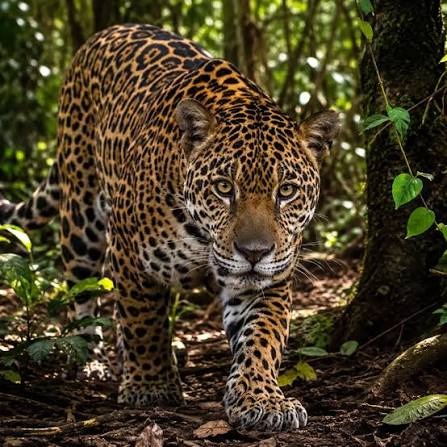
The jaguar is one of the Amazon’s most powerful predators. Built with an exceptionally strong body and one of the most powerful bites among big cats, it can take down prey ranging from reptiles to large mammals. Jaguars are excellent swimmers and often hunt near rivers and wetlands. Although attacks on humans are rare, encountering one in the wild can be extremely dangerous.
Green Anaconda — Giant of the Amazon Waters
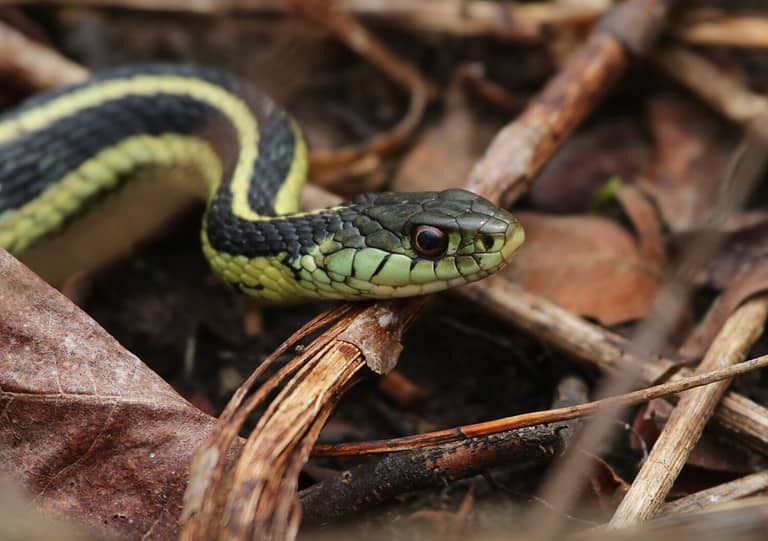
The green anaconda is among the world’s heaviest snakes and can grow to enormous sizes. Instead of using venom, it relies on its muscular body to overpower prey. It spends much of its time in rivers, swamps and flooded forests, where its camouflage makes it difficult to spot. Its size and strength have made it one of the Amazon’s most intimidating creatures.
Black Caiman — A Formidable River Predator
The black caiman is a large crocodilian found in Amazonian waterways. It can grow to several metres in length and has powerful jaws capable of crushing prey. Fish, birds, turtles and mammals can all become targets. At night, its eyes may be visible above the water as it silently waits for an opportunity to strike.
Fer-de-Lance — A Venomous Threat
The fer-de-lance, commonly associated with highly venomous lancehead pit vipers, is regarded as one of the medically important snakes in parts of tropical South America. It can blend remarkably well into the forest floor and may become defensive when threatened. Its venom can cause serious tissue damage and other severe medical complications, making immediate medical attention essential after a suspected bite.
Bullet Ant — A Tiny Creature With a Huge Sting
It may be small, but the bullet ant has an infamous reputation because of the extraordinary pain associated with its sting. Found in tropical forests, these ants can deliver an intense, burning sensation that may last for hours. Their painful sting is primarily a defence mechanism rather than a means of hunting humans.
Poison Dart Frogs — Tiny but Toxic
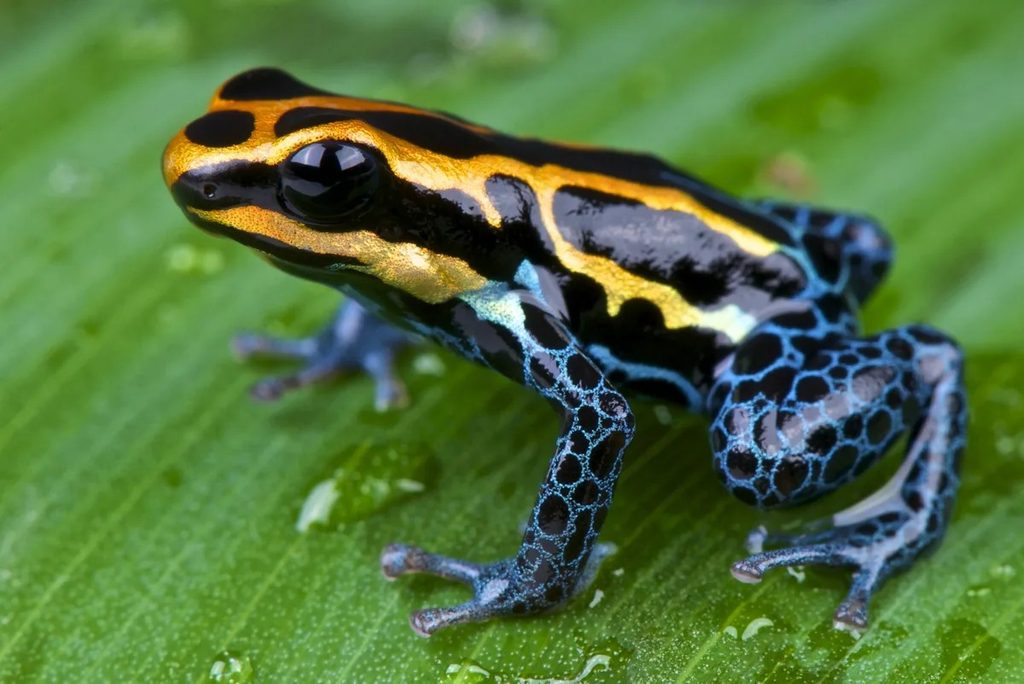
Some Amazonian poison dart frogs possess powerful skin toxins. Their brilliant colours serve as a warning to potential predators. However, their toxicity varies greatly among species and populations, and the famous poison associated with some wild frogs is linked to their natural diet. They are a striking reminder that danger in the Amazon does not always come from large animals.
Piranhas — Famous Amazon Predators
Few Amazonian animals are as famous as the piranha. With sharp teeth and powerful jaws, some species are capable predators and scavengers. Despite their fearsome reputation in popular culture, attacks on humans are relatively uncommon. They are nevertheless an important part of the river ecosystem.
Electric Eel — A Shocking River Creature
Despite its name, the electric eel is actually a type of knifefish rather than a true eel. Some species can produce powerful electrical discharges to hunt, navigate and defend themselves. A strong shock can be dangerous, particularly in water, making these remarkable animals one of the Amazon’s most fascinating aquatic threats.
Brazilian Wandering Spider — A Venomous Hunter
The Brazilian wandering spider is known for its potent venom and active hunting behaviour. Unlike spiders that rely heavily on webs to capture prey, wandering spiders actively move through their surroundings. Their bites can be medically significant, although serious human incidents are uncommon.
Mosquitoes — Small Insects, Serious Risks
Perhaps the most underestimated danger in the Amazon is not a giant predator but the mosquito. Certain mosquito species can transmit diseases such as malaria, yellow fever and other infections. For people travelling through tropical forest regions, insect protection and appropriate medical advice can be far more important than worrying about encounters with jaguars or anacondas.
A Forest Where Every Creature Has a Role
The Amazon’s dangerous animals are not simply monsters waiting to attack humans. Most avoid people whenever possible and play vital roles in maintaining the rainforest ecosystem. Predators control prey populations, insects pollinate plants or recycle nutrients, and aquatic species help maintain the balance of river ecosystems.
The real lesson of the Amazon is that danger comes in many forms. A silent jaguar, a camouflaged snake, a powerful river predator or even a tiny insect can command respect. The rainforest remains one of the planet’s greatest natural wonders—and one of its most unpredictable environments.