
 newspop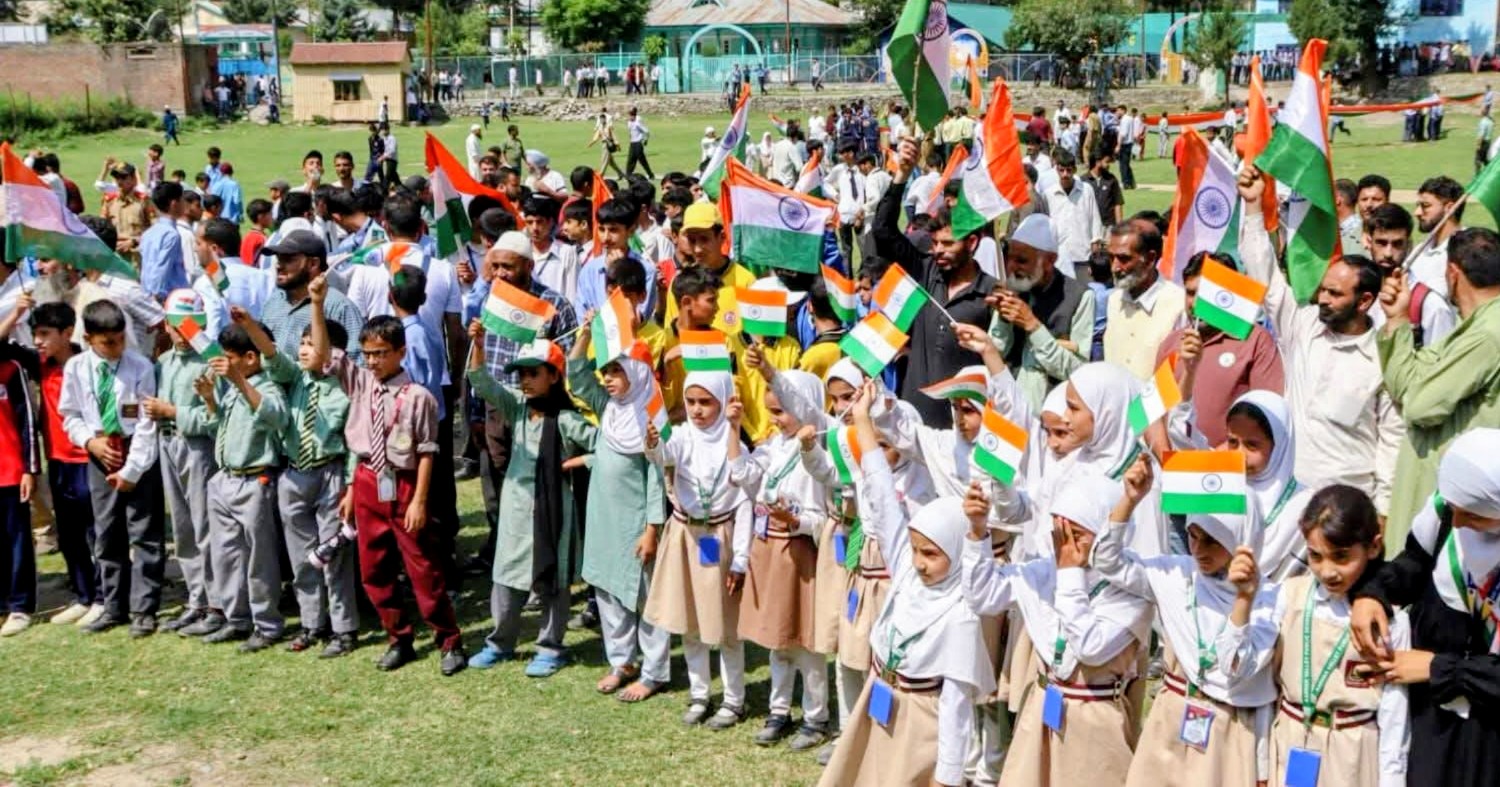
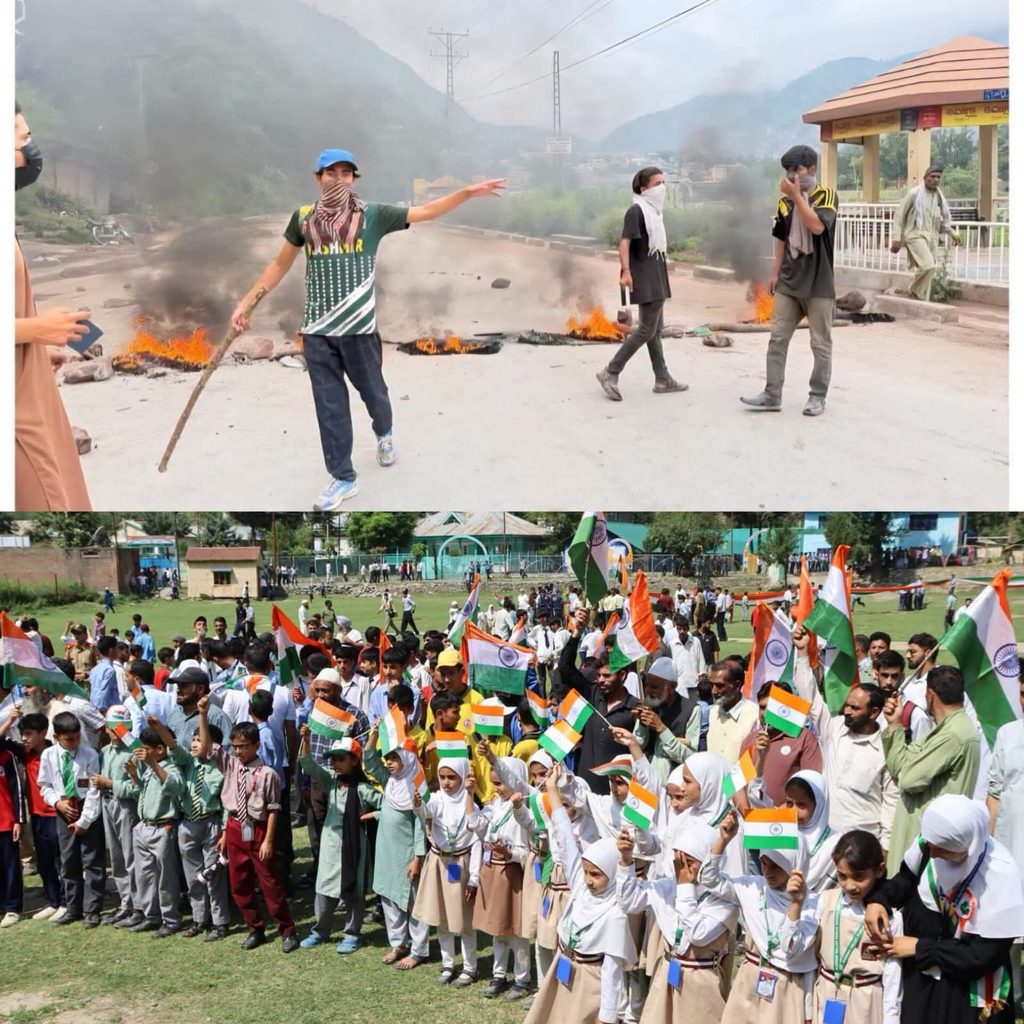
Jammu Kashmir : Two sides of the Line of Control are presenting two markedly different public scenes. In Jammu and Kashmir, the days leading up to Independence Day have been marked by Tiranga rallies, patriotic programmes and public gatherings, with students, youth and residents participating in celebrations centred on national unity and civic pride. Across the LoC, in Pakistan-administered Jammu and Kashmir, protests and demonstrations have drawn attention to economic hardship, governance, political representation and, in some cases, demands for greater rights and freedom.
In recent weeks, Jammu and Kashmir has witnessed a remarkable wave of Tiranga rallies, patriotic programmes and public events ahead of Independence Day. From major cities and district headquarters to small towns and remote villages, people from different sections of society have come together carrying the national flag and participating in programmes centred on patriotism, national unity and civic pride.
The scale of these celebrations has been particularly noticeable among students and young people. Tiranga Yatras, bike rallies, cultural programmes, school events and community gatherings have been organised in several districts, bringing together students, youth, women, government employees, public representatives and civil society members.
The Har Ghar Tiranga campaign has further added to the atmosphere, with people encouraged to display the national flag at their homes and participate in public programmes. The Tricolour has been visible across streets, schools, marketplaces and residential areas, reflecting widespread participation in Independence Day celebrations.
Tiranga rallies and related programmes have been held in Srinagar, Jammu, Handwara, Kupwara, Baramulla, Sopore, Anantnag, Pulwama, Shopian, Kulgam, Bandipora, Budgam, Ganderbal, Kathua, Udhampur, Rajouri and Poonch, besides several villages and remote areas.
Bandipora witnessed one of the prominent Tiranga programmes, with thousands of students and residents participating in a mega rally. A culmination programme at SK Stadium also drew a large gathering, with students taking part in a formation depicting the map of India. Such programmes have provided young people an opportunity to participate in public life and express their patriotic spirit.
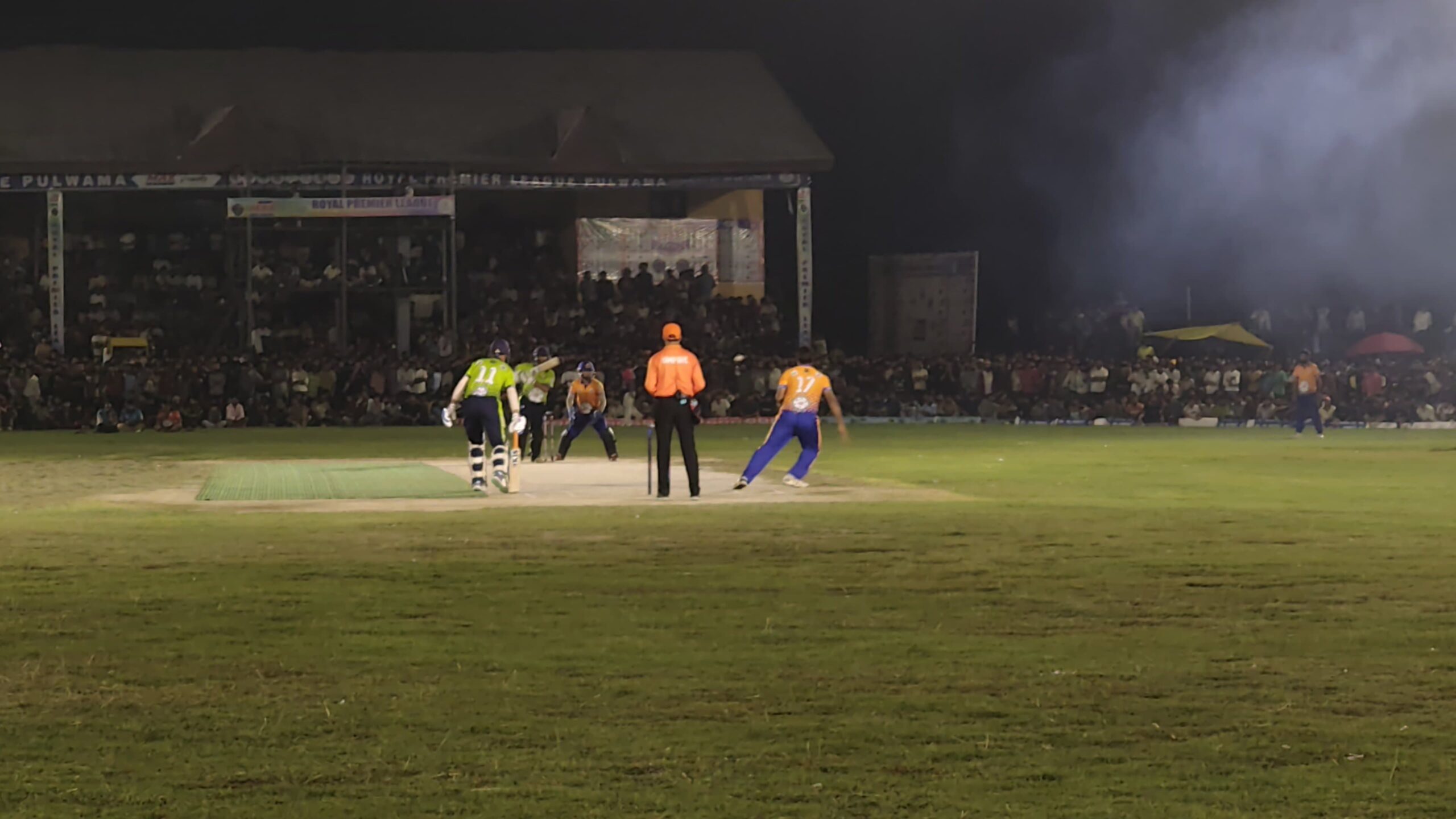
Sopore also witnessed a Tiranga bike rally under the Har Ghar Tiranga campaign, with youth, community members, civil society representatives and officials participating in the event. Similar programmes across Jammu and Kashmir have highlighted the growing involvement of young people in sports, education, cultural activities and public celebrations.
For many participants, these events represent more than a ceremonial exercise. They provide an opportunity to come together as communities, celebrate Independence Day and express their sense of belonging. The participation of students and youth has been particularly significant, given their growing involvement in activities beyond traditional political discourse.
However, across the Line of Control, the public atmosphere has been markedly different.
Pakistan-administered Jammu and Kashmir has witnessed protests and demonstrations in several areas, with some groups raising political demands, including calls for greater political rights and, in some instances, freedom. Demonstrations have been reported from areas including Muzaffarabad, Rawalakot, Mirpur, Kotli, Bhimber, Dadyal and Palandari.
The protests have been driven by a range of grievances. Electricity costs, taxation, rising prices, shortages, governance, development, political representation and civil rights have featured prominently among the concerns raised by protesters. In some areas, economic and public-service issues have developed into wider political demands.
The nature and intensity of the demonstrations have varied from one area to another. While many protesters have focused on immediate economic and governance-related concerns, some demonstrations have also featured slogans and demands relating to greater political autonomy, rights and freedom.
At times, the protests have resulted in clashes between demonstrators and security forces, further highlighting the depth of public frustration in some parts of the region. Political developments and disputes surrounding elections have also contributed to tensions.
The contrasting scenes on the two sides of the Line of Control have therefore attracted attention. While Jammu and Kashmir has witnessed large public gatherings carrying the Tricolour and celebrating Independence Day, Pakistan-administered Jammu and Kashmir has seen sections of the population taking to the streets to raise economic, political and governance-related concerns.
The contrast, however, should not be reduced to a simplistic comparison. The political and administrative circumstances on either side of the LoC are different, and public demonstrations can emerge from a variety of local issues and grievances. Similarly, participation in patriotic celebrations can reflect different personal and community motivations.
Nevertheless, the developments provide a striking picture of two different public moods across a region divided by the Line of Control.
In Jammu and Kashmir, the increasing participation of young people in Tiranga rallies, sports activities, cultural programmes and Independence Day celebrations points towards a visible change in the nature of public engagement. The Tricolour has become increasingly prominent in public spaces, with people from different backgrounds joining programmes organised across the Union Territory.
Across the LoC, continuing demonstrations in Pakistan-administered Jammu and Kashmir underline concerns among sections of the population over governance, economic conditions, development and political representation. For some groups, these grievances have also evolved into wider political demands, including calls for greater rights and freedom.
Ultimately, the developments on both sides underline the importance of listening to the aspirations of ordinary people. Patriotic celebrations, peaceful demonstrations and public participation all reflect different forms of civic expression. Governments and institutions have a responsibility to respond to genuine public concerns, ensure effective governance and create opportunities for the younger generation.
The two different scenes across the Line of Control offer a broader reflection on the aspirations of people living in the divided region. In Jammu and Kashmir, the Tricolour has dominated public celebrations ahead of Independence Day. In Pakistan-administered Jammu and Kashmir, protests have continued to draw attention to demands for better governance, development, political rights and, among some groups, freedom.
As the region continues to witness these contrasting developments, the larger message remains the importance of public participation, accountability and responsive governance. The aspirations expressed through celebrations and protests alike demonstrate that people want their voices to be heard and their future to be shaped by meaningful opportunities, dignity and effective institutions.
Report By – Aadil Abdullah