

 newspop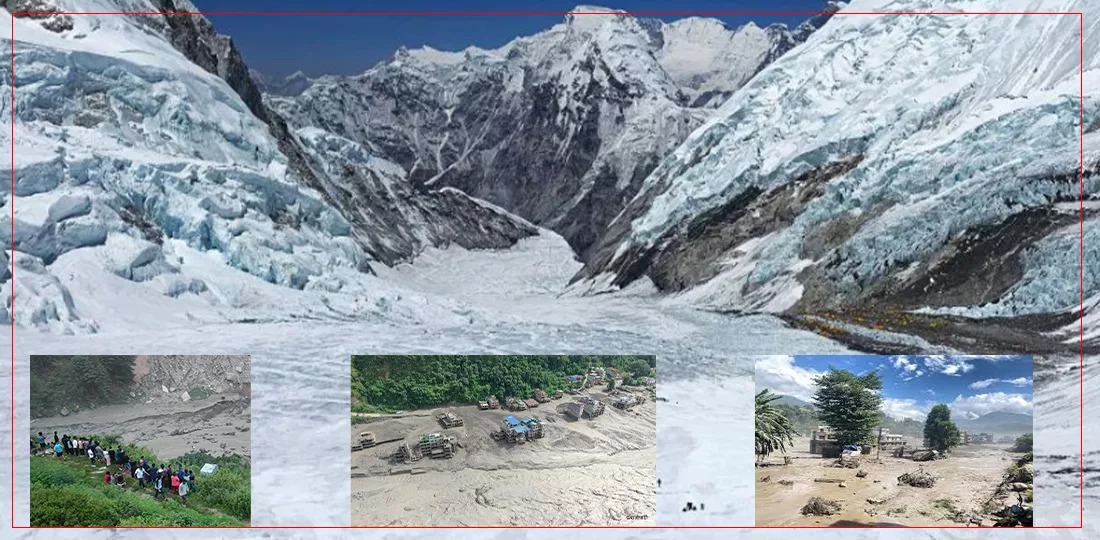
Experts Warn of Hidden Himalayan Threat ; 219 Hanging Glaciers Also Pose Risk in Uttarakhand
New Delhi : The devastating flash flood along the Nepal-Tibet border on August 25 has once again brought the growing risks associated with Himalayan glaciers and glacial lakes into sharp focus. Amid concerns over extreme weather and rapidly changing mountain landscapes, a new study has identified 221 glacial lakes across the Himalayan region that could potentially trigger sudden and destructive floods if their fragile natural barriers collapse.
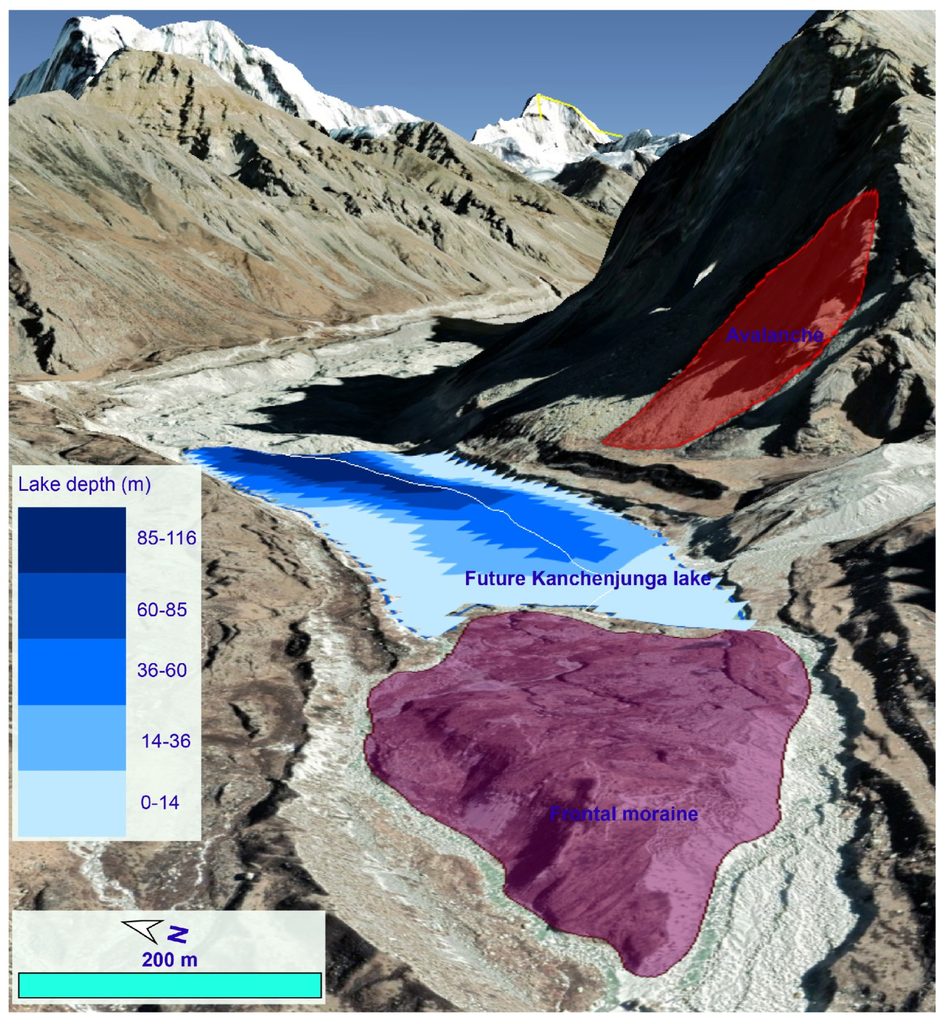
The study, involving three institutions including the Wadia Institute of Himalayan Geology in Dehradun, has highlighted several river valleys as particularly vulnerable to Glacial Lake Outburst Floods (GLOFs). Such events can occur when a glacial lake suddenly bursts, releasing a huge volume of water downstream and causing widespread destruction within a short period.
221 Glacial Lakes Identified as Potential Threat
According to the study, the Koshi, Sutlej-Zangbo, Manas and Upper Indus river valleys have been identified among the most vulnerable areas. Several river valleys in Jammu and Kashmir, Himachal Pradesh and Sikkim have also been placed in sensitive zones.
A sudden GLOF event could potentially affect 31 districts across these states and Union Territories, putting communities, roads, bridges, hydropower infrastructure and other critical facilities located downstream at risk. The warning comes at a time when devastating floods in the Himalayan region have highlighted how quickly extreme events can turn into major disasters.
Uttarakhand Faces Another Threat : Hanging Glaciers
The danger in the Himalayas, however, is not limited to glacial lakes.
A separate study focusing on the Alaknanda river basin in Uttarakhand has identified 219 hanging glaciers, which could pose another serious hazard to downstream areas.
Experts warn that if a hanging glacier breaks or collapses, enormous quantities of ice, rocks and debris could rush down mountain slopes at high speed. Such cascading events could threaten areas downstream, including Badrinath and Mana, as well as other low-lying parts of Chamoli district.
A Warning Hidden High in the Mountains
The latest findings underline the growing concern over hazards hidden deep within the Himalayan landscape. While glacial lakes can suddenly release massive quantities of water, collapsing hanging glaciers can send a dangerous mixture of ice, rocks and debris into valleys.
For communities living along Himalayan river systems, the risks extend beyond flooding. Roads, bridges, power projects, pilgrimage routes and settlements located along downstream valleys could all be vulnerable during a major glacial or landslide-related event.
The findings serve as a strong reminder that early-warning systems, continuous monitoring of vulnerable glaciers and lakes, disaster preparedness and rapid evacuation mechanisms are crucial to reducing the impact of future Himalayan disasters.
Nepal Floods Put Himalayan Risks Back in Focus
The recent flash flood near the Nepal-Tibet border has intensified concerns over the vulnerability of Himalayan communities. As extreme weather events become increasingly disruptive, scientists and disaster-management authorities are closely examining the region’s glacial lakes and unstable glacier formations.
The message from experts is clear, the greatest danger may not always be visible from the valleys below. High in the Himalayas, unstable glacial lakes and hanging glaciers could become triggers for sudden and devastating downstream disasters.