
 newspop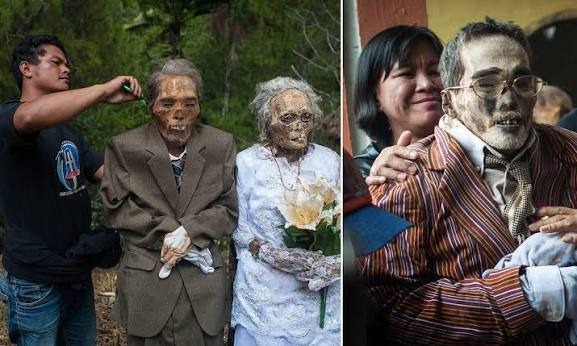
Death Is Not the End Here : Inside the Mysterious Traditions of the Toraja People
SPECIAL STORY – Imagine waking up every day, sitting beside your deceased mother, talking to her, dressing her and even taking her out into the garden as if she were still alive. In Indonesia’s Toraja region, this is not a horror story but a centuries-old cultural tradition. Here, death can be viewed as a long journey rather than an immediate goodbye, with some families keeping their loved ones at home until the time comes for an elaborate funeral. A culture where the dead are not simply buried and forgotten but remain deeply connected to the lives of those they left behind.
High in the mountains of South Sulawesi, Indonesia, lies Toraja, a region known for some of the world’s most unusual and deeply emotional funeral traditions. Here, death is not always treated as an immediate farewell. For many Toraja families, a person who has died may continue to be regarded as “sick” or “sleeping” until an elaborate funeral ceremony is held.
The Deceased May Stay at Home
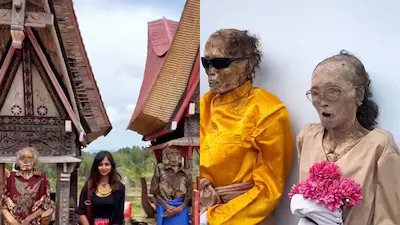
One of the most striking traditions is the practice of keeping a deceased family member at home for a period of time. The body may be carefully preserved, and relatives can continue their normal interactions with the deceased. Families may speak to them, sit beside them and maintain their presence within the household.
To outsiders, the tradition can seem extraordinary, but for families following Toraja customs, it reflects the belief that the bond between family members does not suddenly disappear with death.
Funerals Can Be Elaborate and Take Months or Longer
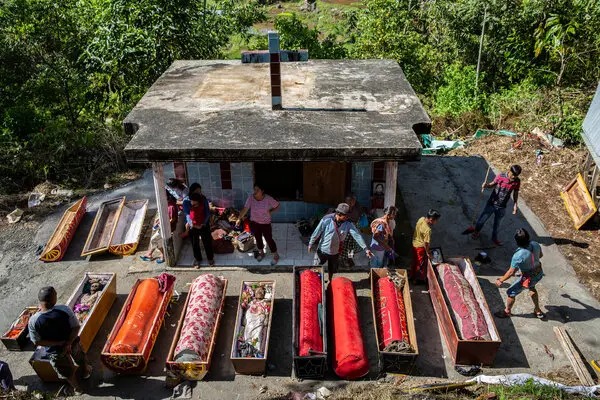
A Toraja funeral is far more than a burial. It can become a major family and community event involving traditional ceremonies, music, food and gatherings of relatives.
In some cases, families wait months or even longer before conducting the main funeral ceremony. The timing can depend on family preparations and finances. During this period, the deceased may remain with the family while preparations for the ceremony continue.
Why Are Buffalo So Important ?
One of the most distinctive features of Toraja funerals is the important role of water buffalo. Buffaloes are associated with status, wealth and the journey of the deceased into the afterlife. During some traditional ceremonies, buffalo sacrifices form part of the funeral rituals.
The number and type of buffalo involved can reflect the social standing of the family and the importance of the ceremony.
The Famous Cliffside Graves
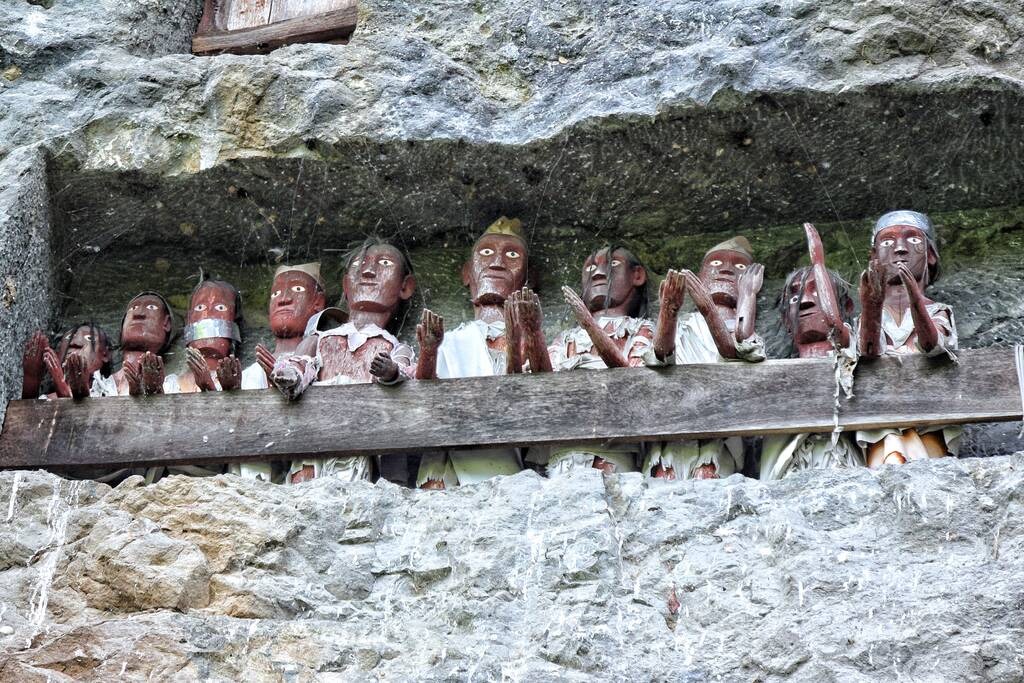
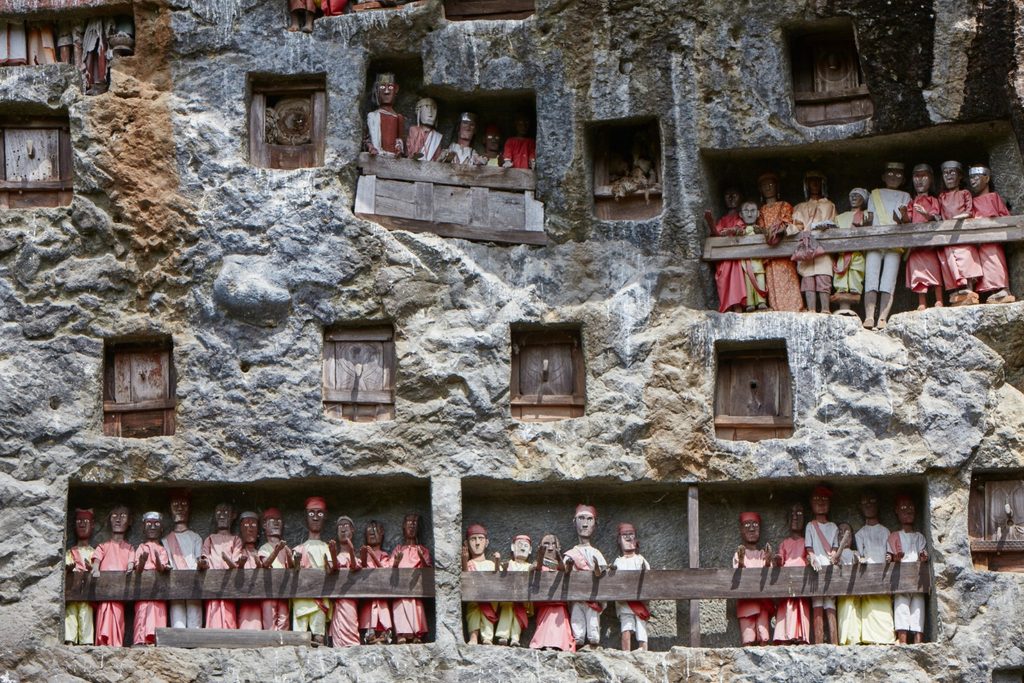
Toraja burial sites are unlike conventional cemeteries. In some areas, graves are carved directly into limestone cliffs, allowing families to place their deceased relatives high above the ground.
Some burial sites also feature tau-tau, wooden effigies representing the deceased. These figures are traditionally placed near certain graves and are intended to symbolize the person watching over their family and community.
Babies Have Their Own Unique Burial Tradition
One of the most poignant Toraja customs involves infants who die before developing teeth. In certain traditional practices, these babies may be placed inside specially prepared tree cavities.
The tree becomes a symbolic resting place, with the belief that the child can continue a natural journey through the living world. Over time, the tree grows around the burial site, creating a powerful symbol of life, death and nature.
Ma’nene: When Families Bring the Dead Back
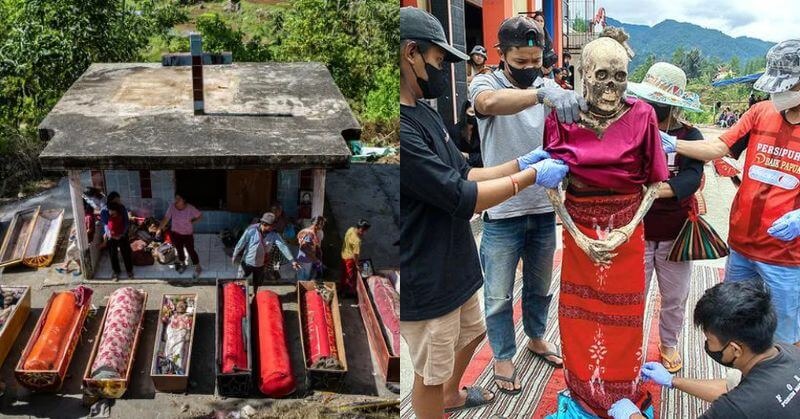
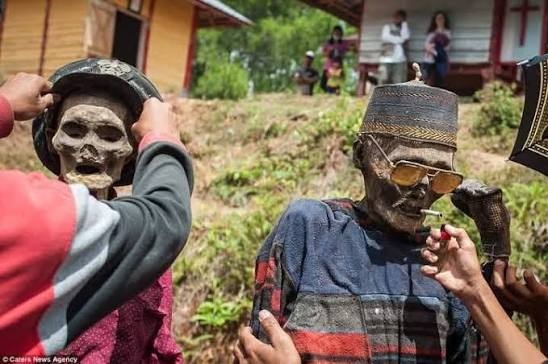
Perhaps the most famous Toraja tradition is Ma’nene, sometimes described as the ritual of cleaning ancestors. During this ceremony, some families open ancestral graves, carefully clean the remains, replace clothing and spend time with their deceased relatives before returning them to their resting places.
The ritual is deeply connected to family remembrance and respect for ancestors. It is not simply about death it is about maintaining an ongoing relationship between generations.
Why Do Toraja Families Follow These Traditions ?
At the heart of Toraja culture is a powerful emphasis on family, ancestors and community. Death is understood through a cultural and spiritual framework in which the deceased continue to hold an important place within the family.
That is why practices that may appear shocking or mysterious to outsiders can have a completely different meaning to the people who follow them.
A Culture Where Goodbye Comes Slowly
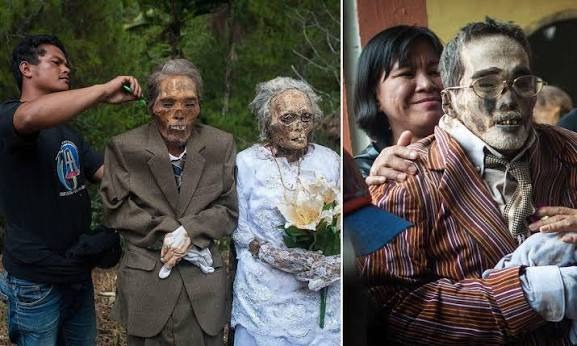
From keeping deceased relatives at home to cliffside graves, wooden effigies and the Ma’nene ritual, Toraja traditions reveal a fascinating perspective on mortality.
Here, death does not necessarily mean an immediate separation. Instead, remembrance can become an active part of everyday life, allowing families to maintain a connection with those they have lost.
For the Toraja people, perhaps the most powerful message is simple: a person may leave this world, but their place within the family does not disappear.