

 newspop
December 25 Isn’t Proven ? The Untold Mystery Behind Jesus’ Birth
SPECIAL STORY– Every year, billions of people light Christmas trees, attend church services and celebrate December 25 as the birth of Jesus Christ. But here’s the startling historical mystery: there is no definitive evidence that Jesus was actually born on December 25 and historians cannot even say with certainty which year he was born. The date celebrated around the world today appears to have emerged centuries after his lifetime.
New Delhi : Christmas is one of the most widely celebrated religious occasions in the world, with December 25 deeply associated with the birth of Jesus Christ. Yet when it comes to the historical question of when Jesus was actually born, the answer remains surprisingly uncertain. The New Testament does not provide a specific day or month for Jesus’ birth, and ancient Christian communities were unable to reach a universal agreement on the date. The earliest known records identifying December 25 as the celebration of Jesus’ birth date from the fourth century AD, more than three centuries after the period in which Jesus is generally believed to have lived.
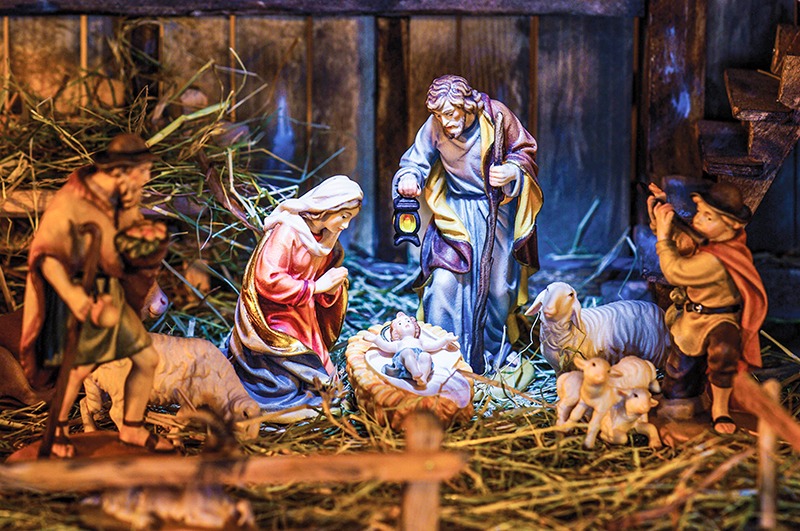
Why December 25 ?
Several theories have emerged over the centuries to explain why December 25 became Christmas Day. One widely discussed theory connects the date with the Roman festival of Saturnalia, a period of celebration associated with the god Saturn. Although Saturnalia itself did not necessarily fall precisely on December 25, the winter festival season was an important part of Roman religious and social life. Some historians have suggested that the Christian celebration may have been positioned around an already significant period of the Roman calendar.
But there is another fascinating explanation. Some early Christians calculated Jesus’ conception as having taken place around March 25. Counting approximately nine months forward brings the date to December 25, leading to the belief that the day could commemorate Jesus’ birth. This means December 25 may have been established through a theological calculation rather than a surviving historical record of Jesus’ actual birthday.
Ancient Christians Didn’t Agree on the Date
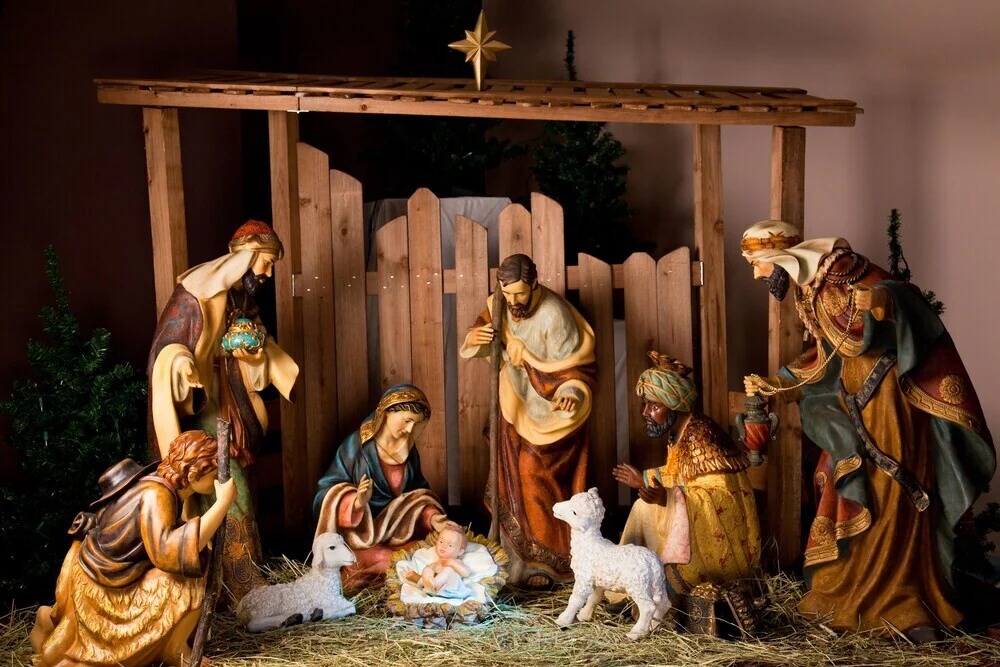
The mystery becomes even deeper when we look at early Christian traditions. There was no universal agreement among early Christians about Jesus’ birth date. Different communities followed different traditions, and some Christian groups eventually adopted dates other than December 25.
Even today, many Eastern Orthodox Christians celebrate Christmas on January 6 or January 7, depending on their church calendar and tradition. The difference illustrates how the celebration of Jesus’ birth developed through different historical, religious and calendar traditions.
So, What Does the Bible Say ?
Surprisingly, the Bible does not give an exact date for Jesus’ birth. The Gospel accounts of Matthew and Luke describe events surrounding his birth, including his parents, Bethlehem, the shepherds and the visit of the Magi, but they do not provide a precise calendar date.
Because of this, historians cannot simply look to the biblical accounts and identify December 25 as the confirmed birthday. Instead, researchers examine ancient writings, chronology, political history and other historical clues to estimate when Jesus may have been born.
Even the Birth Year Is Uncertain
The uncertainty does not end with the day and month. The exact year of Jesus’ birth is also disputed. Many scholars place his birth somewhere around 4 BC, although estimates vary.
This creates an interesting historical paradox: Jesus is traditionally considered the central figure from whom the Christian era takes its name, yet the exact year of his birth may have been calculated incorrectly when the calendar system used today was established centuries later.
December 25 Is About Tradition, Not a Confirmed Birthday

The absence of an exact historical date does not make Christmas meaningless for Christians. For billions of believers, December 25 represents the religious celebration of the birth of Jesus, regardless of whether it corresponds to his actual historical birthday.
Over centuries, Christmas developed far beyond a date on a calendar. It became a major religious and cultural celebration associated with faith, hope, peace, family, charity and the message of Jesus Christ.
A Mystery That May Never Be Solved
More than 2,000 years after the life of Jesus, historians still cannot establish the precise day on which he was born. December 25 became firmly established as Christmas Day through centuries of Christian tradition, but it should not necessarily be understood as a historically proven birthday.
The real mystery is therefore not whether people celebrate Christmas on December 25 the tradition is firmly established but whether Jesus himself was born on that particular day.
And the historical answer remains elusive. One of the world’s most celebrated birthdays may have no confirmed date at all.