
 newspop

Nepal Floods Expose the Rising Climate Risk Across the Mountain Region
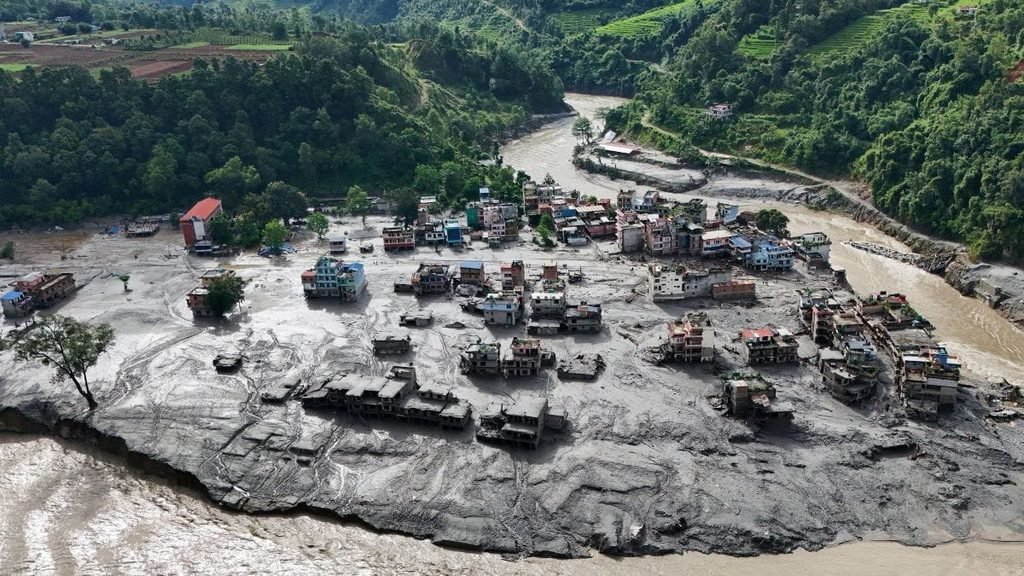
Nepal: Nature is sending a warning from the heart of the Himalayas. Nepal’s devastating floods and landslides have brought renewed attention to the rapidly changing Himalayan climate, with melting glaciers and extreme weather emerging as major concerns for the fragile mountain ecosystem.
According to the International Centre for Integrated Mountain Development (ICIMOD), the rate of ice loss across the Hindu Kush Himalaya region has doubled since 2000, while several glaciers have lost up to 27 metres in thickness since 1975. The recent disaster in Nepal’s Rasuwa, Nuwakot and Dhading districts triggered sudden rises in river levels, severely damaging hydropower projects and disrupting critical mountain infrastructure, with around 10% of Nepal’s electricity generation capacity reportedly affected.
The crisis also exposed the vulnerability of roads, bridges and tunnels, as floodwaters carrying massive rocks, mud and debris swept through narrow Himalayan valleys. Experts warn that disasters in the region are rarely caused by a single factor, as glacier collapses, glacial lake outburst floods, soil erosion and landslides can combine to create devastating cascading events.
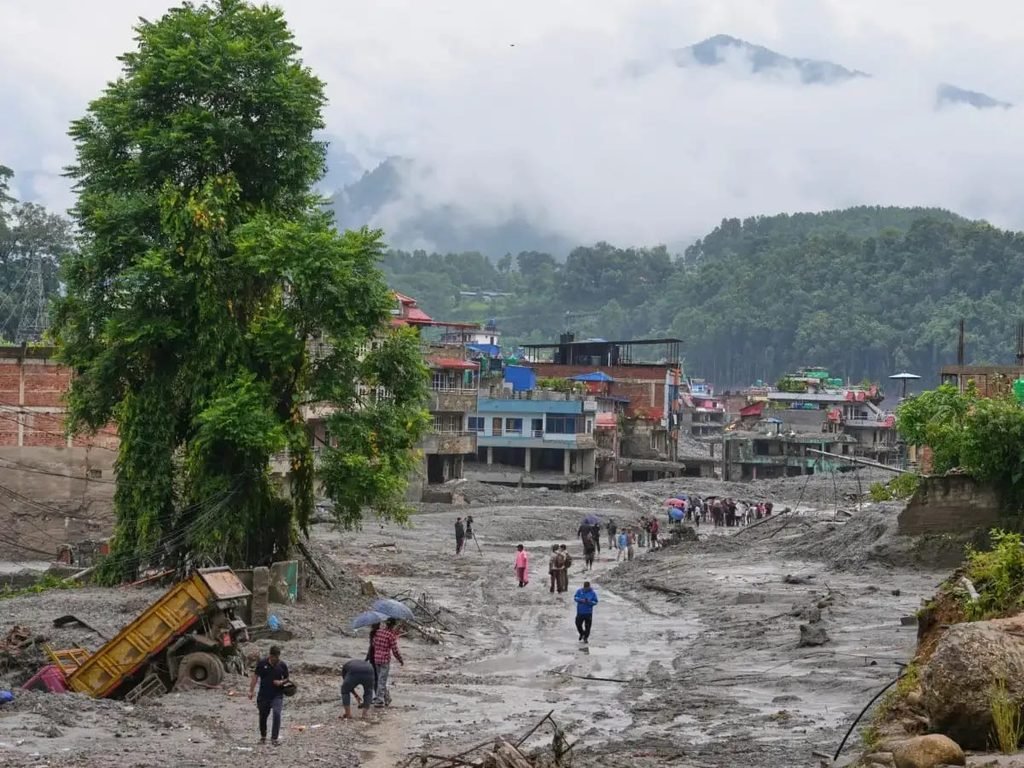
The situation is also a serious warning for India’s Himalayan states, including Uttarakhand, Himachal Pradesh, Sikkim and Arunachal Pradesh, where numerous hydropower projects operate along mountain rivers. Past disasters, including the 2021 Chamoli tragedy in Uttarakhand and the 2023 South Lhonak Lake outburst in Sikkim, have already demonstrated the destructive potential of a warming and increasingly unstable Himalayan environment.
With rivers flowing across borders, disasters in Nepal can also increase flood risks downstream in India, highlighting the urgent need for stronger early-warning systems, continuous satellite monitoring of glaciers and glacial lakes, safer infrastructure planning and greater investment in alternative clean energy.
The Himalayas are no longer simply a symbol of nature’s grandeur they are becoming a powerful warning of what a changing climate could unleash if human development fails to respect the limits of nature.