
 newspop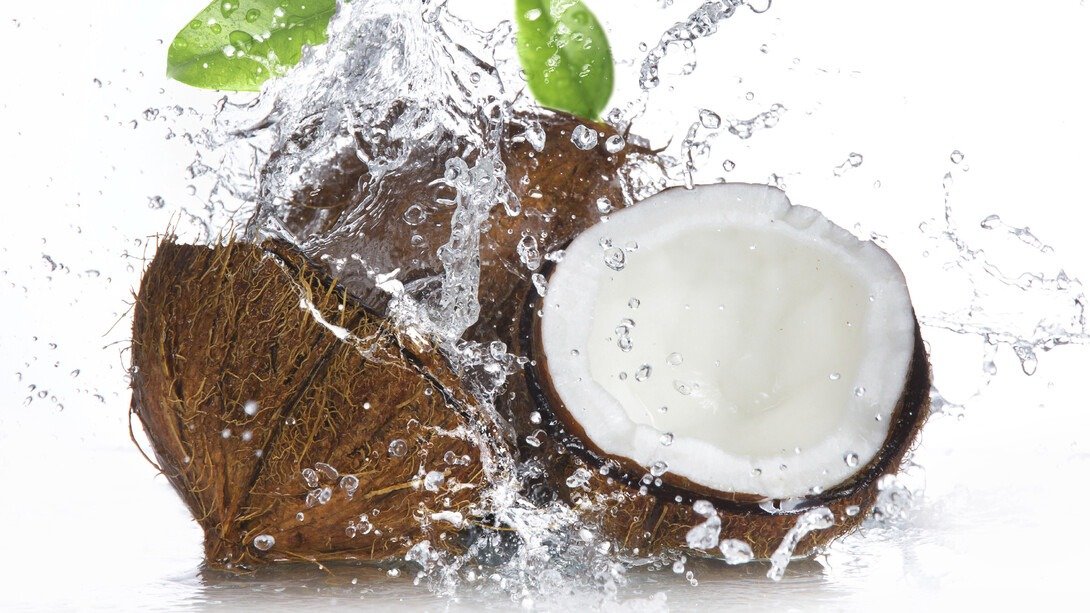
No Pipe, No Bottle, No Human Hand, So How Does Water Get Inside a Coconut ?
SPECIAL STORY : Have you ever looked at a coconut hanging dozens of feet above the ground and wondered who puts all that water inside it? There is no pipe running into the fruit, nobody pours water into it, and yet the moment a tender coconut is opened, it can be filled with hundreds of millilitres of fresh, sweet water! It almost looks like nature has created its own perfectly sealed water bottle. But the truth is even more fascinating than the mystery. The water inside a coconut is not manually “stored” there—it is created and accumulated through a remarkable combination of plant biology, water transport and seed development. So, how does water travel from the soil all the way up a tall coconut palm and eventually end up inside the fruit? The answer begins deep underground, at the roots.
From Soil to Coconut : How Does the Water Travel So High ?
A coconut palm absorbs water and dissolved minerals from the soil through its roots. This water then enters the plant’s vascular system and begins its journey upward through specialised tissues called xylem. Think of xylem as an intricate network of microscopic tubes running through the plant. These tubes transport water from the roots towards the stem, leaves and developing fruits. One of the major forces helping this upward movement is transpiration the process through which plants lose water vapour from their leaves. As water evaporates from the leaves, it creates a pull that helps draw more water upward through the xylem. Other forces, including root pressure and the physical properties of water, also contribute to the movement of water through the plant. So, even though a coconut may be growing high above the ground, the water inside it ultimately begins its journey in the soil.
But Here’s the Real Surprise : Coconut Water Isn’t Just Water!
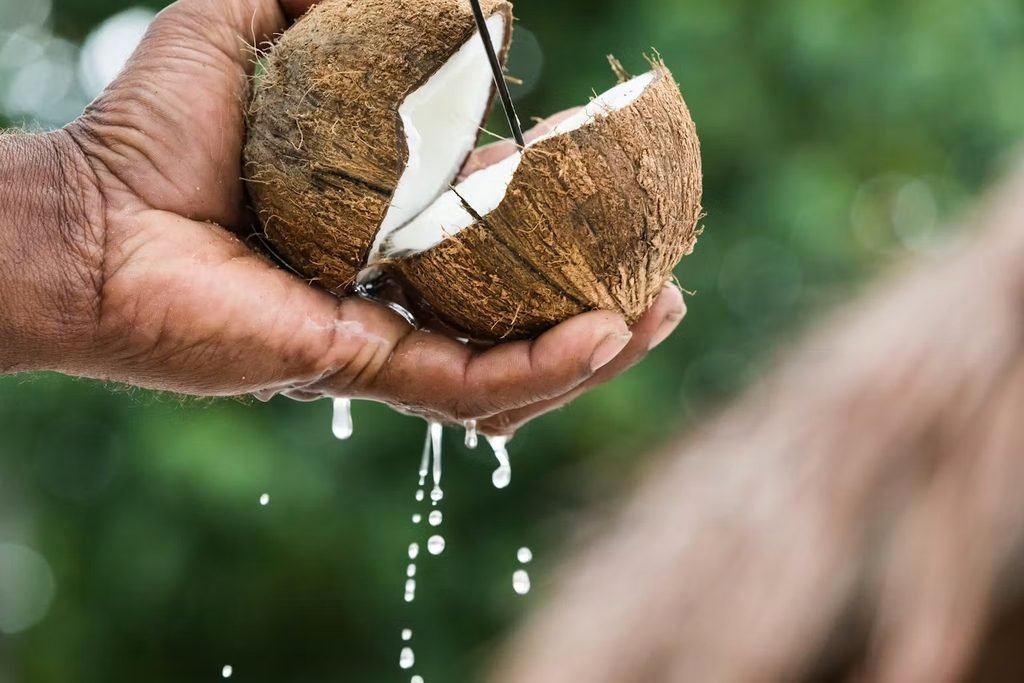
The liquid inside a developing coconut is scientifically known as liquid endosperm. What we commonly call coconut water is actually a nutrient-rich liquid that forms as the coconut develops. Along with water, it contains sugars, potassium and other minerals and compounds that support the developing seed. As the fruit grows, nutrients produced by the plant are transported towards it, including through the phloem, another part of the plant’s vascular system. These nutrients contribute to the composition of the liquid endosperm, turning what began as a developing fluid into the refreshing coconut water we know.
Why Does Nature Put Water Inside a Coconut ? The Answer Is the Seed !
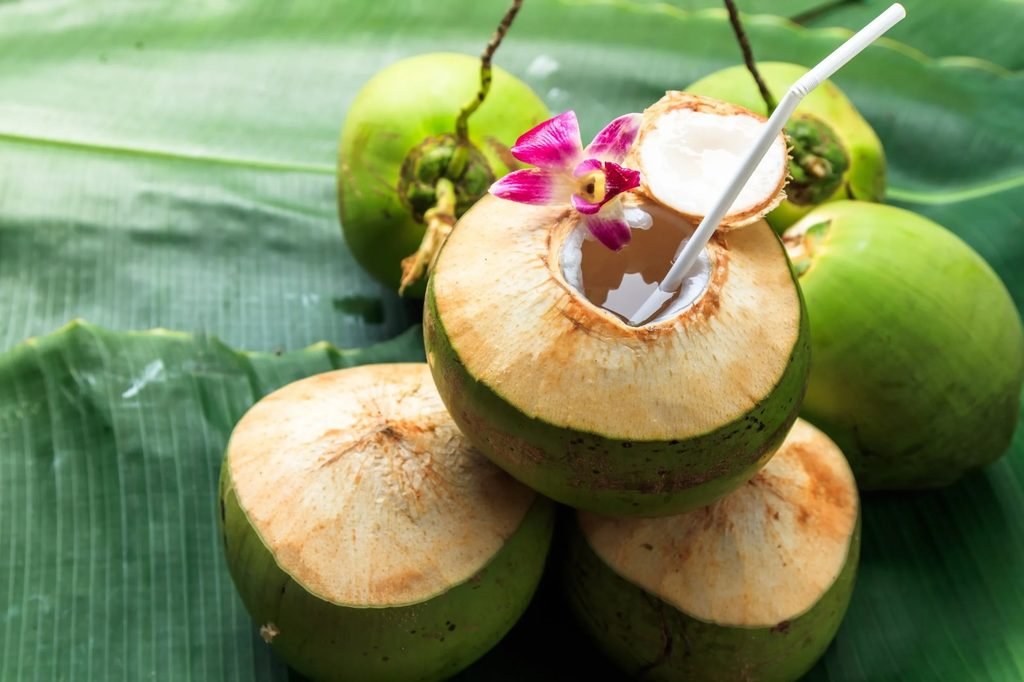
This is perhaps the most fascinating part of the story. Coconut water exists largely because the coconut is a seed, and the developing embryo needs nourishment. During the early stages of development, the tiny embryo cannot independently produce all the energy and nutrients it needs. The liquid endosperm acts as a nutrient-rich environment that supports the developing seed. As the coconut matures, part of this liquid endosperm gradually becomes solid endosperm the white coconut flesh that we eat. This explains a familiar difference: a tender coconut generally contains more liquid and softer flesh, while a mature coconut has less liquid and much more solid white kernel.
So Why Doesn’t the Water Leak Out ? Nature Built a Natural Protective Shell !
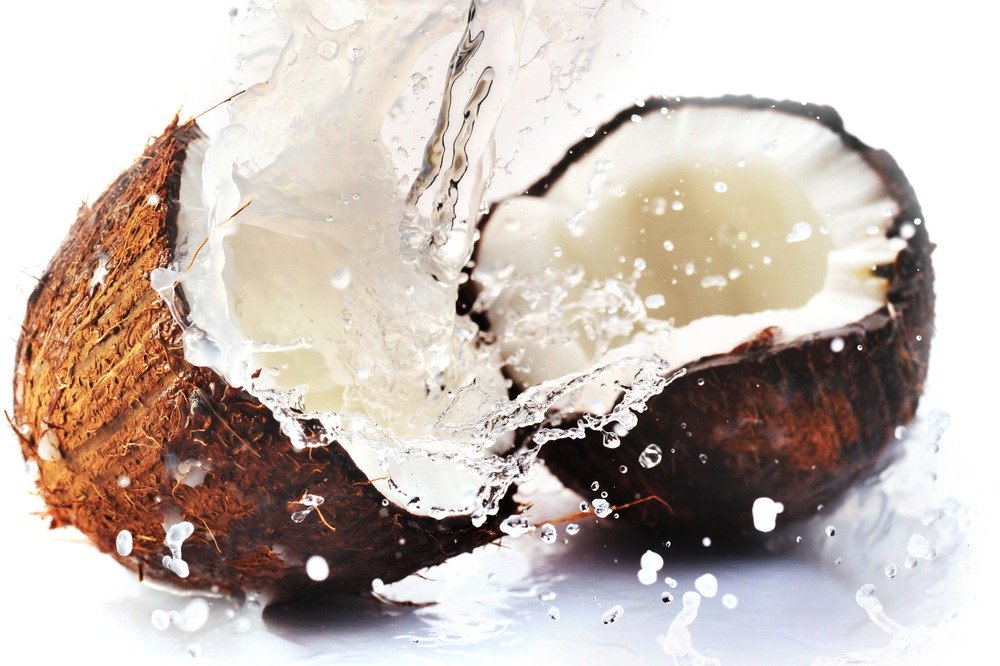
Another remarkable feature is the coconut’s protective structure. The fruit has a fibrous outer husk and a hard inner shell, which together protect the developing seed and its contents from physical damage and environmental conditions. Inside this natural protective package, the liquid endosperm can remain enclosed while the seed continues to develop. In other words, the coconut is effectively a naturally engineered container grown by the plant itself, filled as the seed develops and protected by multiple layers.
How Much Water Can One Coconut Hold ?
There is no fixed amount of water in every coconut. The quantity can vary depending on the variety of coconut, stage of maturity, growing conditions, soil, water availability and environmental factors. Tender coconuts are generally known for having a substantial amount of liquid, while the amount changes as the fruit matures. As the coconut develops, some of the liquid endosperm is progressively converted into the solid white kernel.
The ‘Mystery’ Finally Solved !
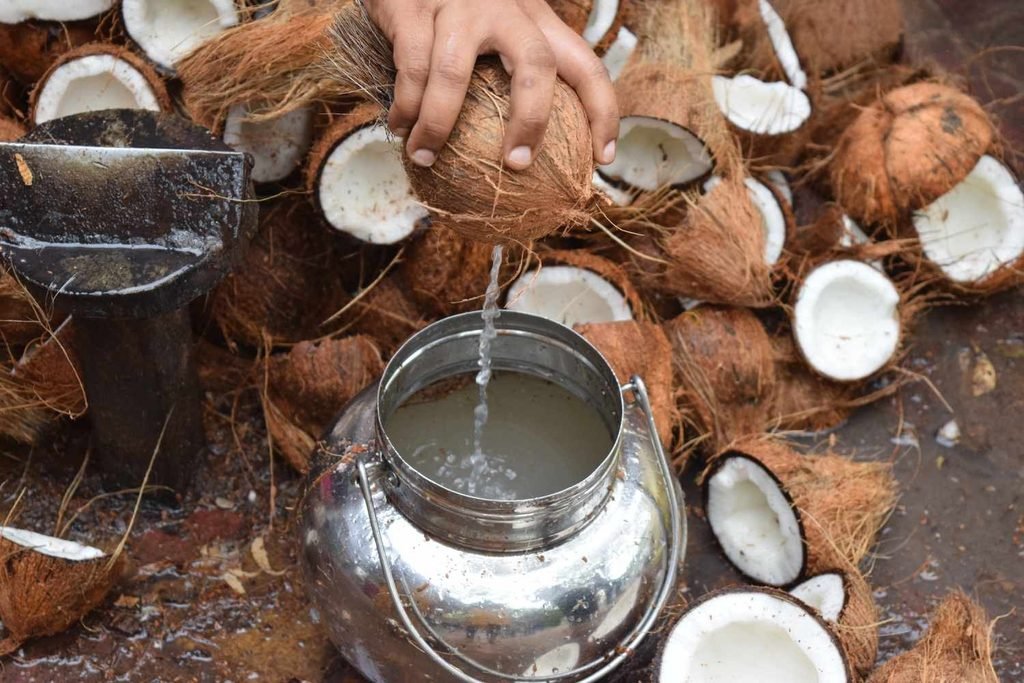
So, the next time you crack open a tender coconut and see it filled with cool, refreshing water, remember no one filled it from the outside! The journey begins with water absorbed from the soil by the roots, continues upward through the palm’s xylem, and ultimately contributes to the formation of liquid endosperm inside the developing fruit. At the same time, nutrients are delivered to the developing coconut through the plant’s transport system, helping create the sugars, minerals and other components found in coconut water. What appears to be a simple fruit is actually the result of an incredibly sophisticated biological process. From soil to roots, roots to trunk, trunk to fruit and finally into a naturally sealed shell nature builds, fills and protects the coconut all by itself.
The next time someone asks, “Who puts water inside the coconut?”, the answer is simple: the coconut tree does it through one of nature’s most fascinating biological processes.