
 newspop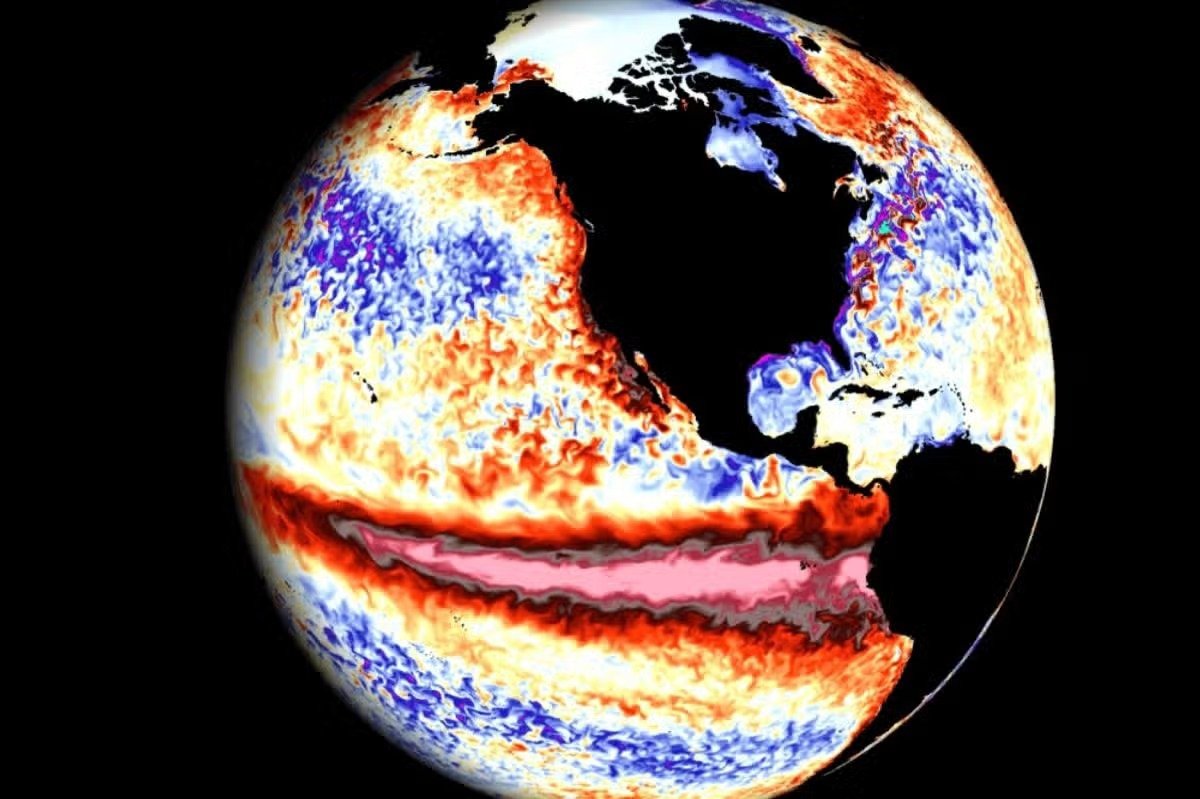
451,000 Lives at Risk ? The Next 6 Months Could Be Brutal
SPECIAL STORY : Imagine a world where the heat itself becomes a deadly threat and scientists are warning that the danger may already be unfolding. A new assessment from the University of Chicago’s Climate Impact Lab has issued a stark warning over the powerful 2026–27 El Niño, projecting that extreme heat associated with the climate phenomenon could contribute to as many as 451,000 additional heat-related deaths globally from June 2026 through February 2027, compared with a typical year.
For the next six months alone, from September 2026 to February 2027, the report estimates around 239,000 ± 11,000 additional deaths, making clear that the 451,000 figure should not be interpreted as a six-month death forecast.
El Niño is a naturally occurring climate pattern involving unusually warm sea-surface temperatures in the central and eastern tropical Pacific, but its effects can spread far beyond the Pacific, altering rainfall, temperature and weather patterns across different parts of the world. Scientists say the current event is developing against a backdrop of already elevated global temperatures, potentially intensifying heat-related risks in vulnerable regions.
The Climate Impact Lab estimates that the greatest impacts could be felt across parts of Africa, Southeast Asia, India and Brazil, with India among the countries expected to experience a significant additional heat burden. One recent assessment citing the study puts India’s projected additional heat-related deaths at approximately 15,800 ± 1,600, although these are model-based estimates rather than confirmed fatalities.

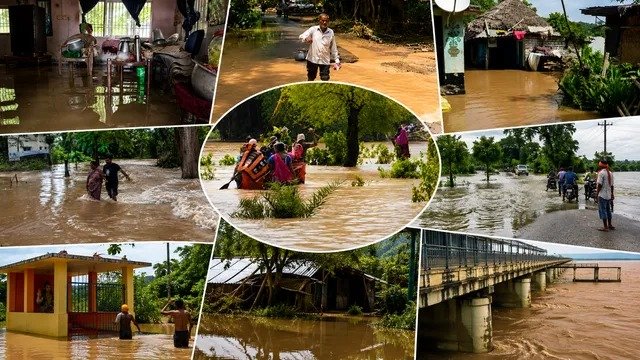
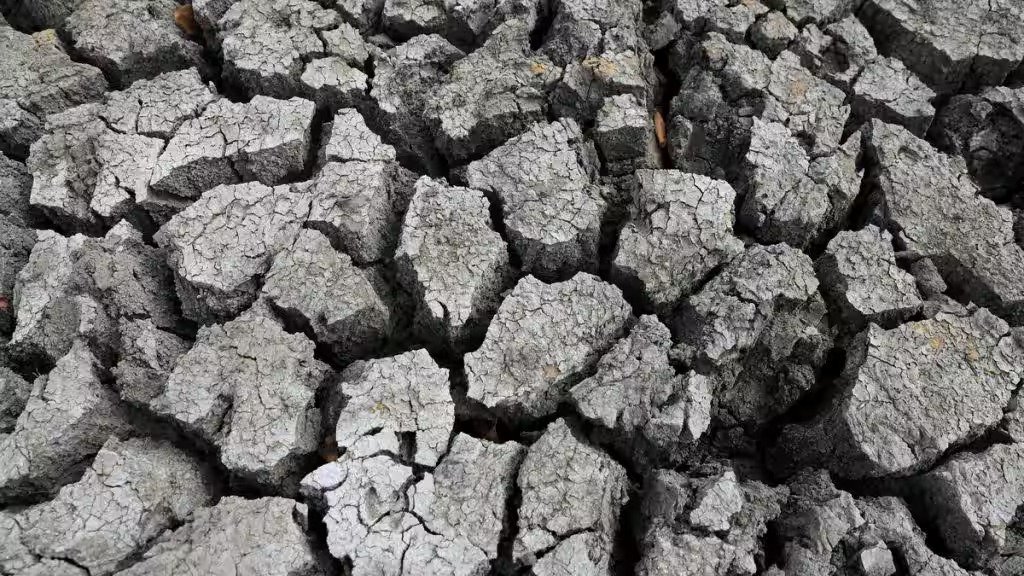
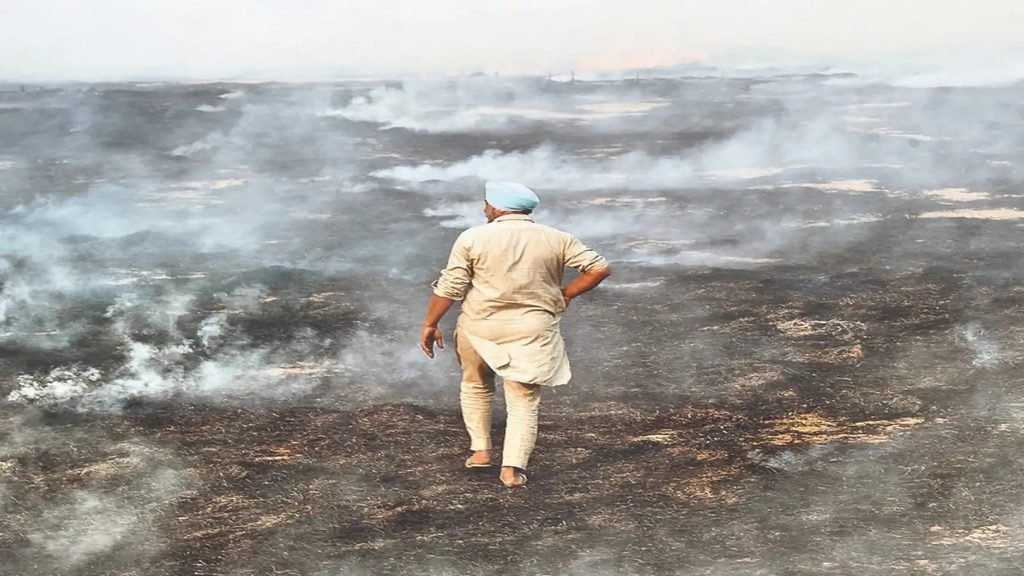
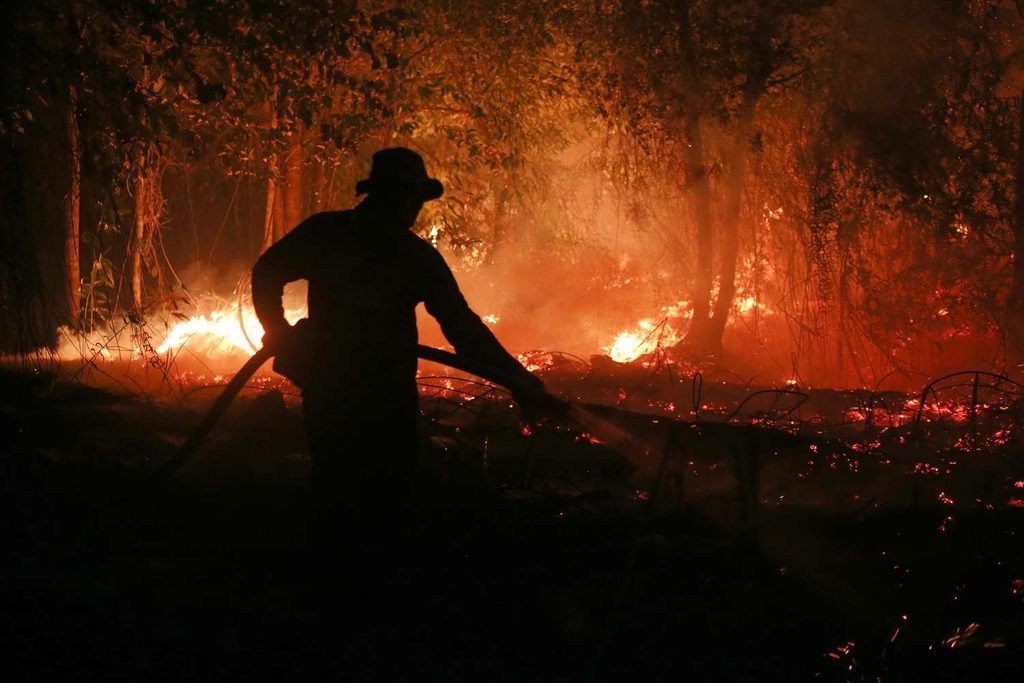
The danger is not limited to extreme heat: researchers also warn that El Niño-related changes in weather patterns can contribute to drought, wildfires, flooding and water stress, with potential knock-on effects on agriculture, food security, public health and economies. The researchers emphasize that the mortality figures represent a risk projection, not a certainty, and that timely preparation can reduce the human toll.
Measures highlighted by scientists include accurate heat forecasting and warning systems, cooling centres and hydration facilities, stronger health-system capacity during extreme heat, outreach to vulnerable populations and protections for people working outdoors. The Climate Impact Lab says its projections are intended to help governments, humanitarian agencies and local authorities identify where emergency action could save lives in the coming months.
With forecasts suggesting that the current El Niño could become exceptionally strong, scientists are urging communities and authorities to treat extreme heat as a serious public-health risk not simply as another spell of hot weather. The warning is stark: the heat threat is already here, and how effectively vulnerable communities prepare could make a major difference to the eventual human cost.