
 newspop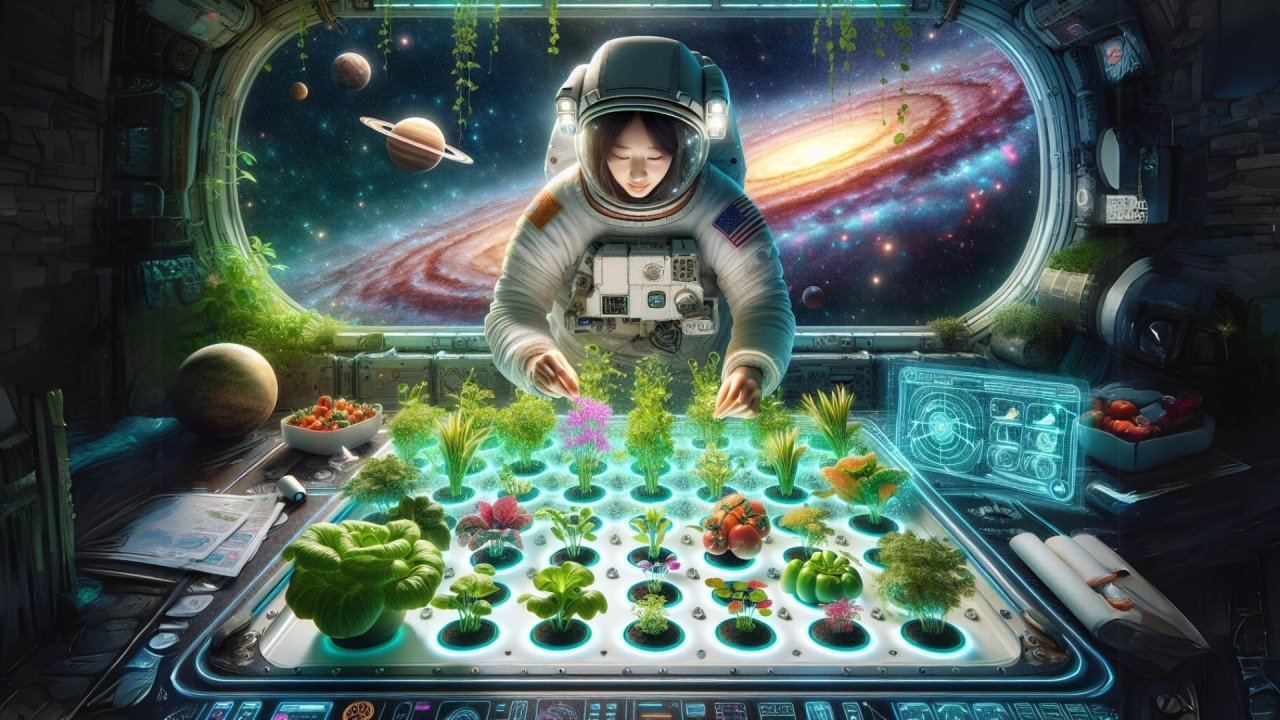
NO FARMS, NO SOIL, NO RAIN… YET HUMANS ARE GROWING FOOD IN SPACE : Why Space Farming Could Decide the Future of Humanity
SPECIAL STORY : Imagine a future where humans are living hundreds of millions of kilometres away from Earth, looking up at the sky and growing their own food not on fields, but inside specially designed space habitats. What sounds like science fiction is already becoming a reality, as space farming is emerging as an important part of preparations for long-duration missions to the Moon and Mars.
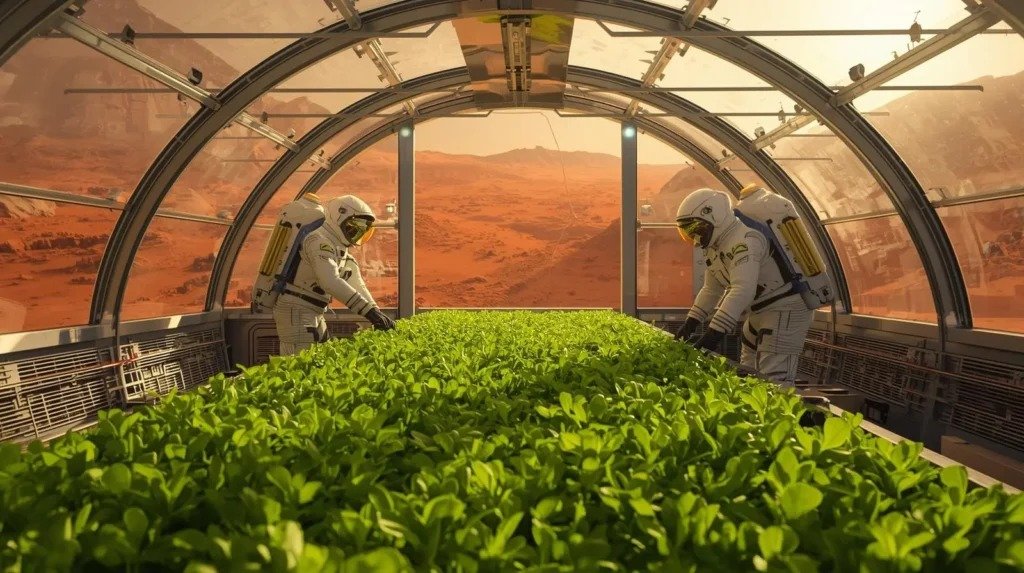
The basic idea is simple but revolutionary, astronauts should not have to depend entirely on food and supplies launched from Earth, because transporting large quantities of packaged food into space is extremely expensive and becomes increasingly difficult during long missions. Space agencies including NASA, ISRO and China’s space programme are therefore studying how crops can be grown in controlled environments beyond Earth. Experiments on space stations have already demonstrated that plants can grow in microgravity under carefully controlled conditions.
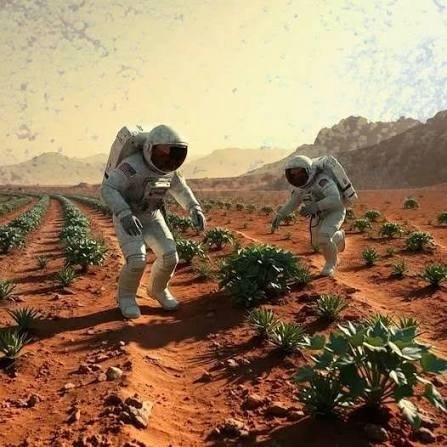
Astronauts have grown crops such as leafy greens and mustard varieties in space-based experiments, while Chinese astronauts have also conducted rice-growing experiments aboard the Tiangong space station, helping scientists understand how plants respond to microgravity and controlled environments.
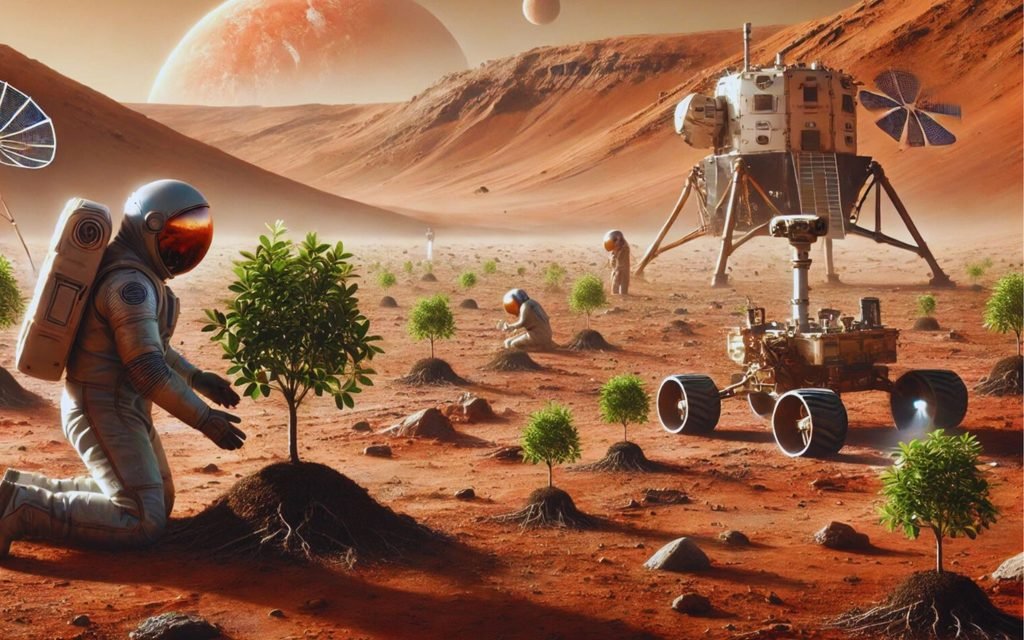
Unlike traditional farming on Earth, space agriculture cannot rely on ordinary soil, natural rainfall or freely available sunlight. Instead, specialised growing systems provide plants with nutrients, water, light, temperature and other conditions needed for growth. LED lighting, including carefully selected wavelengths, can provide the light required for photosynthesis, while controlled irrigation and water-recycling systems are essential because water is one of the most valuable resources in space.
The potential benefits go far beyond simply producing fresh vegetables: plants can absorb carbon dioxide released by astronauts and produce oxygen through photosynthesis, potentially contributing to closed-loop life-support systems. Fresh food and the presence of growing plants could also provide psychological and nutritional benefits during isolated, stressful missions. Looking further ahead, locally produced food could become critical if humans establish long term bases on the Moon or Mars, where regular supplies from Earth would be costly, slow and vulnerable to disruption.
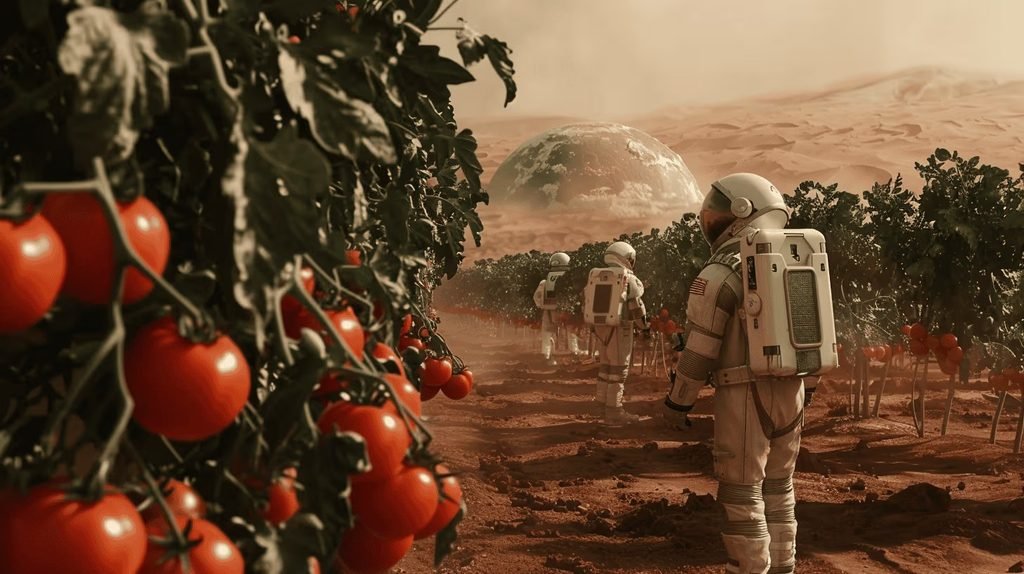
Scientists are also exploring technologies that could eventually support a wider range of crops and other food-production systems in highly controlled environments. Interestingly, the technologies developed for space farming could also have applications back on Earth, particularly in regions facing water shortages, poor soil, extreme climates or limited agricultural land.
As humanity prepares for increasingly ambitious deep-space missions, the ability to produce food locally could become as important as generating power, recycling water and maintaining breathable air turning space farming from a futuristic experiment into a potential cornerstone of long-term human survival beyond Earth.