
 newspop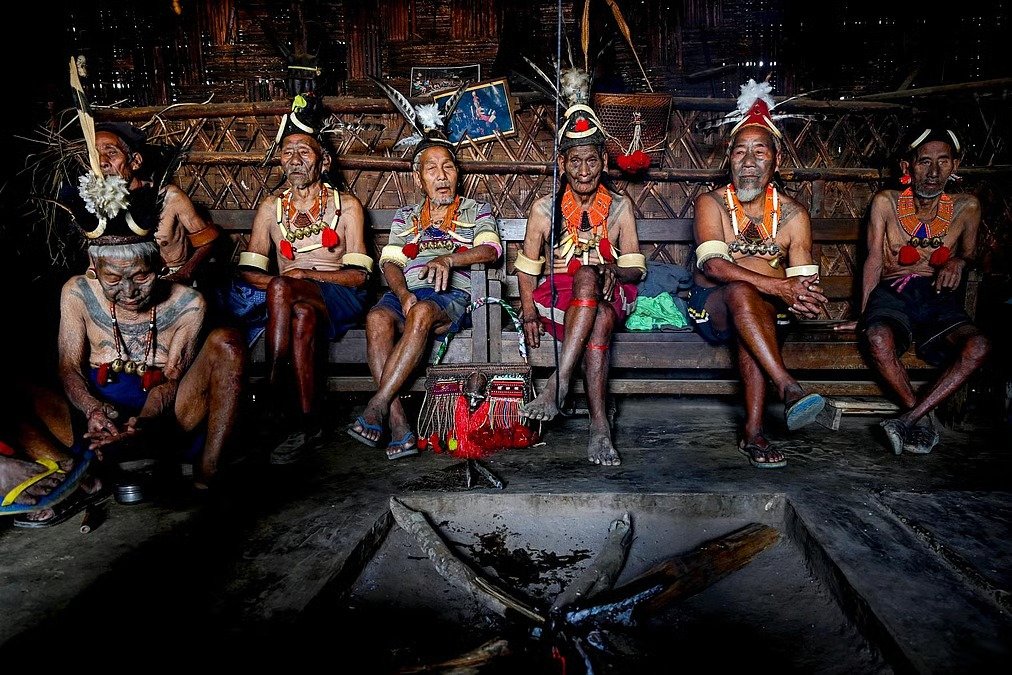
Why Did Naga Warriors Take Enemy Heads ? The History Explained
SPECIAL STORY : Imagine a warrior returning to his village not with a trophy, but with the severed head of an enemy an act that was once associated with courage, victory, social status and spiritual beliefs in parts of the Naga Hills. Long before modern Nagaland emerged as a state, several Naga communities followed traditions in which inter-village and inter-tribal warfare could involve taking the heads of enemies.
This historical practice is the reason some Naga warrior communities came to be described by outsiders as “headhunters.” Among the Naga tribes, the Konyak community of northern Nagaland became particularly associated with the tradition and is often described in historical accounts as among the last Naga groups to abandon it.
For these communities, headhunting was not simply a battlefield act, traditional beliefs connected it with ideas of bravery, community protection, fertility, prosperity and spiritual power. In some Konyak traditions, the life force or spiritual essence of a person was believed to be associated with the head, and capturing an enemy’s head was therefore understood within a wider ritual and social framework.
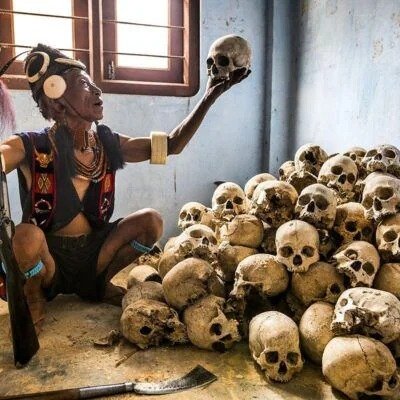
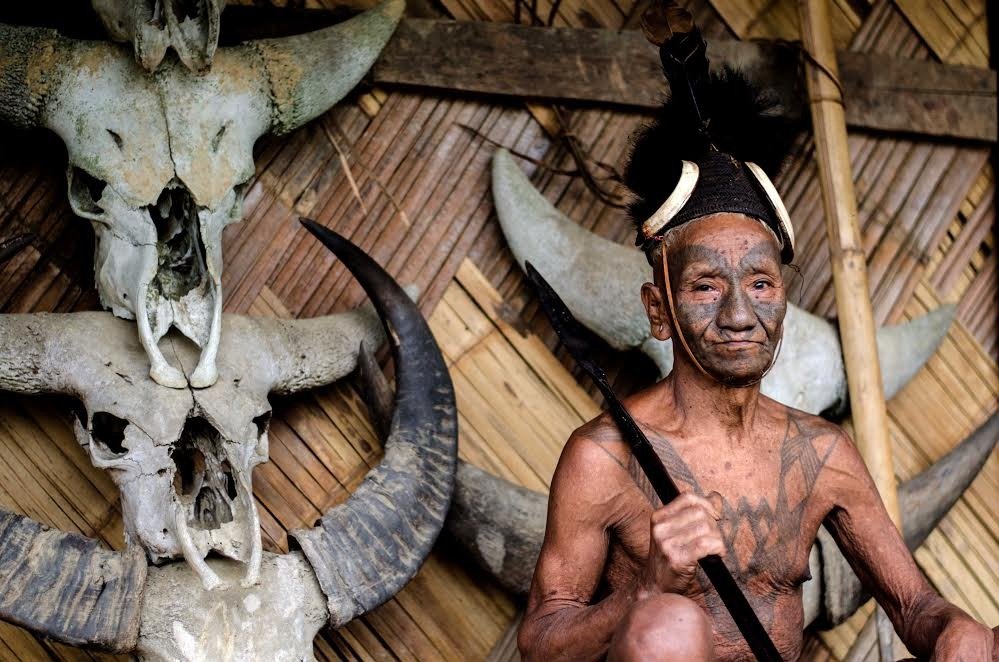
For young warriors, successfully returning from a raid could also mark a transition into adulthood and bring greater recognition within the community. In traditional society, warrior achievements could be reflected through distinctive tattoos, ornaments and other symbols of status. The morung, a traditional community or youth house, also played an important role in Naga social life, and accounts of earlier practices describe enemy heads being displayed as symbols connected with warfare and warrior prestige.
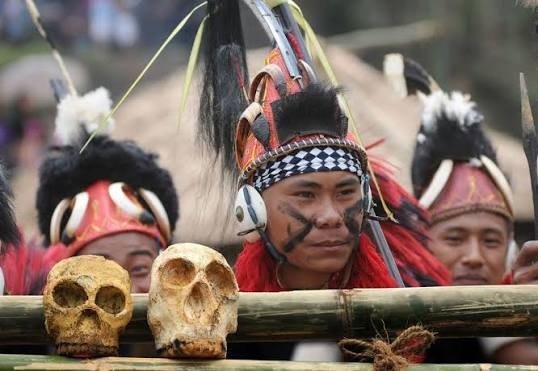
Victorious warriors could be welcomed with celebrations, music and the beating of large traditional log drums. However, this violent tradition gradually disappeared. The arrival and expansion of British administration and Christian missionary activity during the 19th century brought major social and cultural changes to the Naga Hills, while missionary efforts encouraged communities to abandon practices associated with inter-village warfare and headhunting.
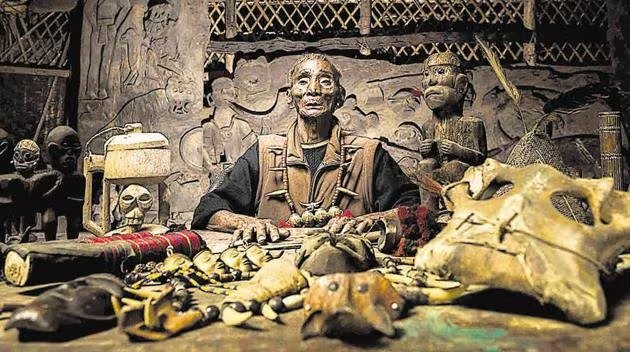
Later, stronger state administration, law enforcement and changing social institutions further contributed to the decline of the practice. Today, hunting human heads is not a living social practice in Nagaland; instead, the history survives through oral traditions, tattoos, traditional artefacts, festivals, museums and cultural narratives. The term “headhunter” therefore belongs to a complex historical chapter of Naga society and should not be used as a description of modern Naga people.