
 newspop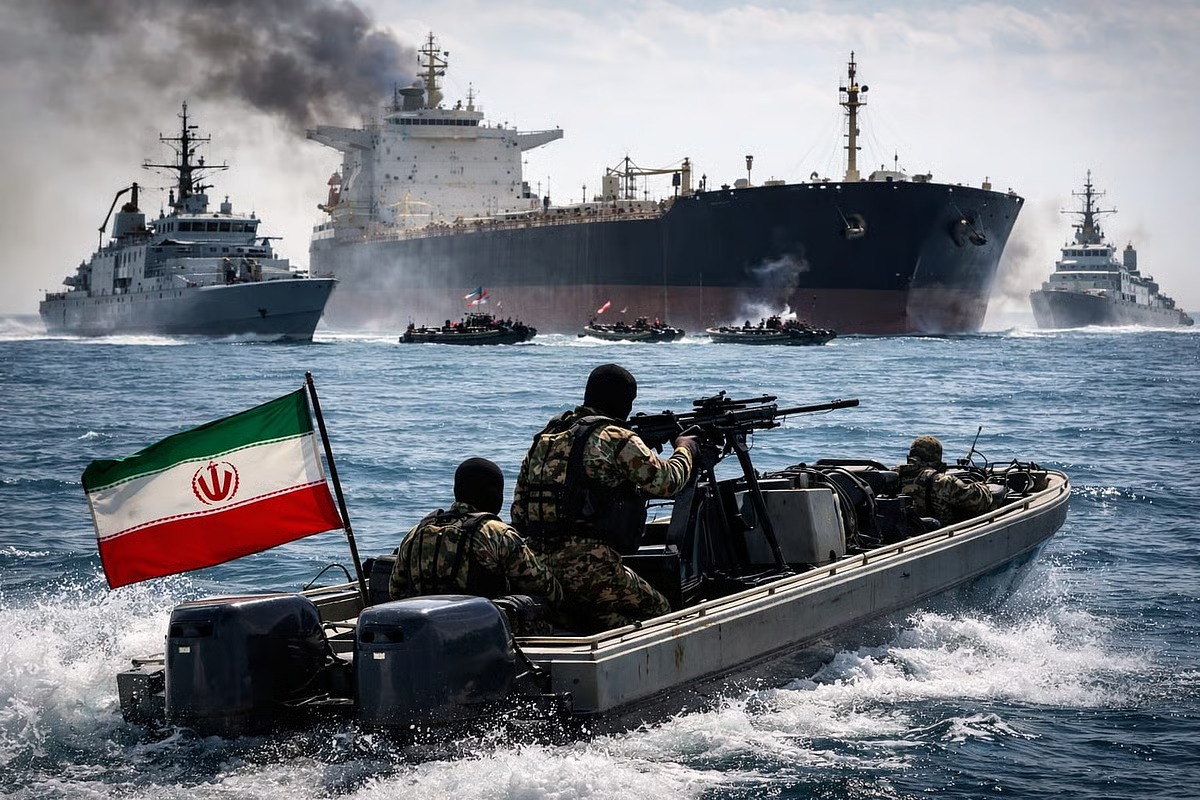
If Hormuz Closes, India Won’t Stop: The 41-Country Oil Network Behind Its Energy Security
New Delhi : As tensions rise between the United States and Iran, fears of a possible disruption in the Strait of Hormuz have sent concerns across global energy markets. But India appears better prepared than before, with a diversified oil supply network, strategic reserves, and a long-term energy security plan designed to reduce dependence on a single route.
The Strait of Hormuz, one of the world’s most crucial oil shipping routes, carries a significant portion of global crude oil supplies from the Persian Gulf. Any major disruption in this narrow passage could impact international oil prices and create supply concerns worldwide.
However, India has significantly changed its energy strategy in recent years to protect itself from such risks. India now imports crude oil from around 41 countries, including Russia, the United States, Brazil, Nigeria, Kazakhstan, Algeria, and Angola, reducing overdependence on Gulf nations.
Alternative supply routes, including pipelines from Saudi Arabia and the UAE that bypass Hormuz, have also strengthened India’s energy security. The country has also built up emergency reserves, with reports indicating a backup capacity of nearly 74 days of oil supply through a combination of commercial stocks and strategic petroleum reserves.
Efforts have also been made to diversify LPG imports by increasing supplies from countries such as the US, Canada, Norway, Russia, and Algeria. While a prolonged conflict could still push global crude prices higher and impact fuel costs, India’s current preparedness means an immediate shortage of petrol, diesel, or LPG is unlikely. The nation’s energy strategy has created a safety shield against possible disruptions in the global oil supply chain.
As tensions rise between the United States and Iran, fears of a possible disruption in the Strait of Hormuz have sent concerns across global energy markets. But India appears better prepared than before, with a diversified oil supply network, strategic reserves, and a long-term energy security plan designed to reduce dependence on a single route.
The Strait of Hormuz, one of the world’s most crucial oil shipping routes, carries a significant portion of global crude oil supplies from the Persian Gulf. Any major disruption in this narrow passage could impact international oil prices and create supply concerns worldwide.
However, India has significantly changed its energy strategy in recent years to protect itself from such risks.India now imports crude oil from around 41 countries, including Russia, the United States, Brazil, Nigeria, Kazakhstan, Algeria, and Angola, reducing overdependence on Gulf nations. Alternative supply routes, including pipelines from Saudi Arabia and the UAE that bypass Hormuz, have also strengthened India’s energy security.The country has also built up emergency reserves, with reports indicating a backup capacity of nearly 74 days of oil supply through a combination of commercial stocks and strategic petroleum reserves.
Efforts have also been made to diversify LPG imports by increasing supplies from countries such as the US, Canada, Norway, Russia, and Algeria. While a prolonged conflict could still push global crude prices higher and impact fuel costs, India’s current preparedness means an immediate shortage of petrol, diesel, or LPG is unlikely.
The nation’s energy strategy has created a safety shield against possible disruptions in the global oil supply chain.