
 newspop
SPECIAL STORY ; South Sudan : No Toothpaste, No Shampoo, Cow Dung for Teeth, Cow Urine for Hair. Cows Are Everything Here. The Tribe Where Cow Dung Becomes Part of Everyday Life. For most people, a cow may simply be an animal… but for the Mundari tribe of South Sudan, cows are the heartbeat of their existence.
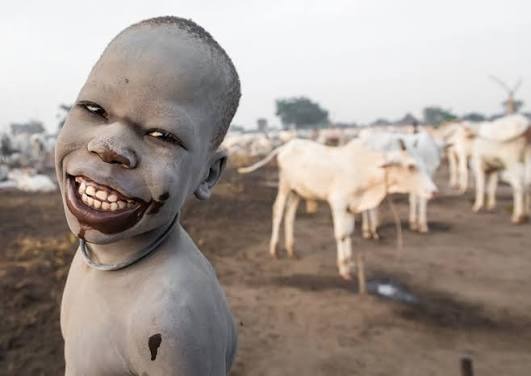
Their mornings begin with their cattle, their nights are spent protecting them, and their identity is deeply connected with these gentle animals. In a world where traditions are rapidly disappearing, this community continues to preserve a unique bond where cows are not just a source of livelihood, but a symbol of love, pride, respect and survival.
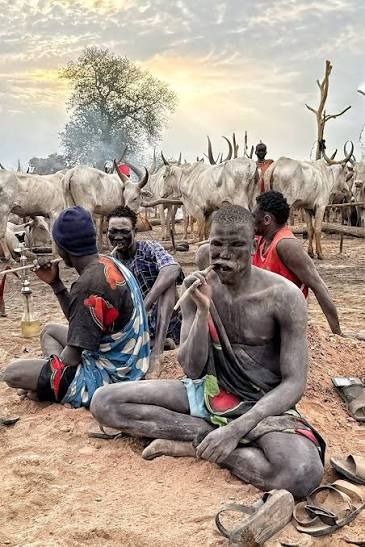
Imagine a life where wealth is measured not by money, but by the number and health of cattle you own, where every cow has a name, a value and a place in the family. For the Mundari people, cattle are their treasure, their status symbol and their connection to generations of ancestors.
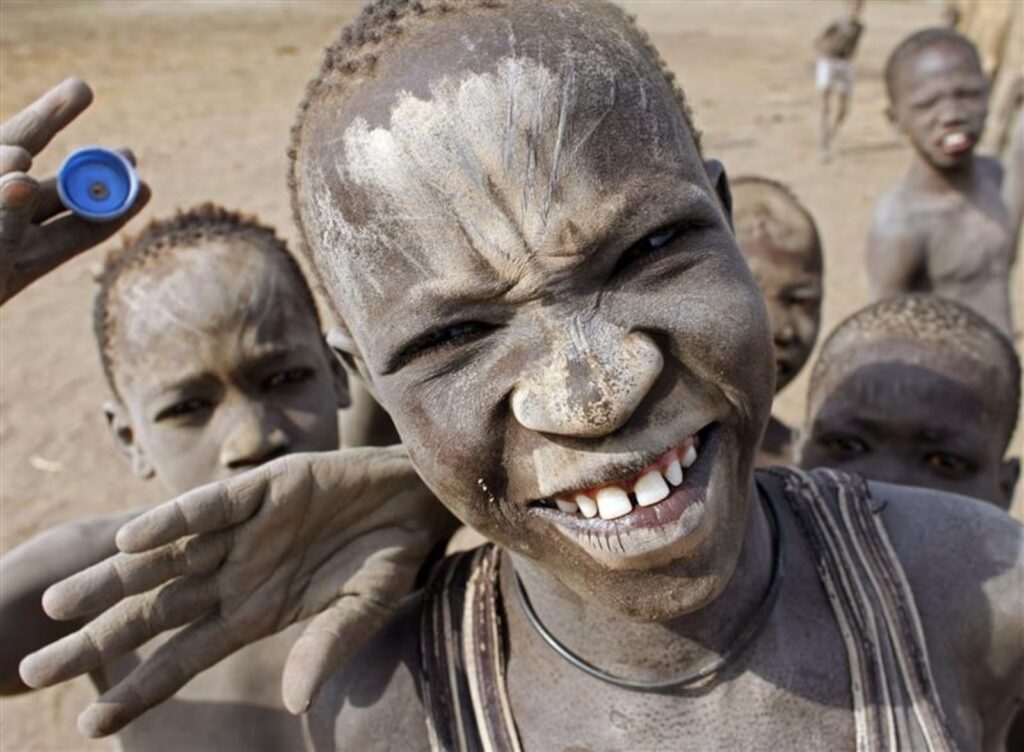
Their unusual lifestyle has amazed the world, offering a rare glimpse into a culture where humans and animals live side by side in a relationship built on deep respect.
From sleeping beside their herds to following centuries-old customs involving cattle products, the Mundari tribe’s way of life may appear surprising to outsiders, but it reflects a powerful cultural connection that has survived through generations.
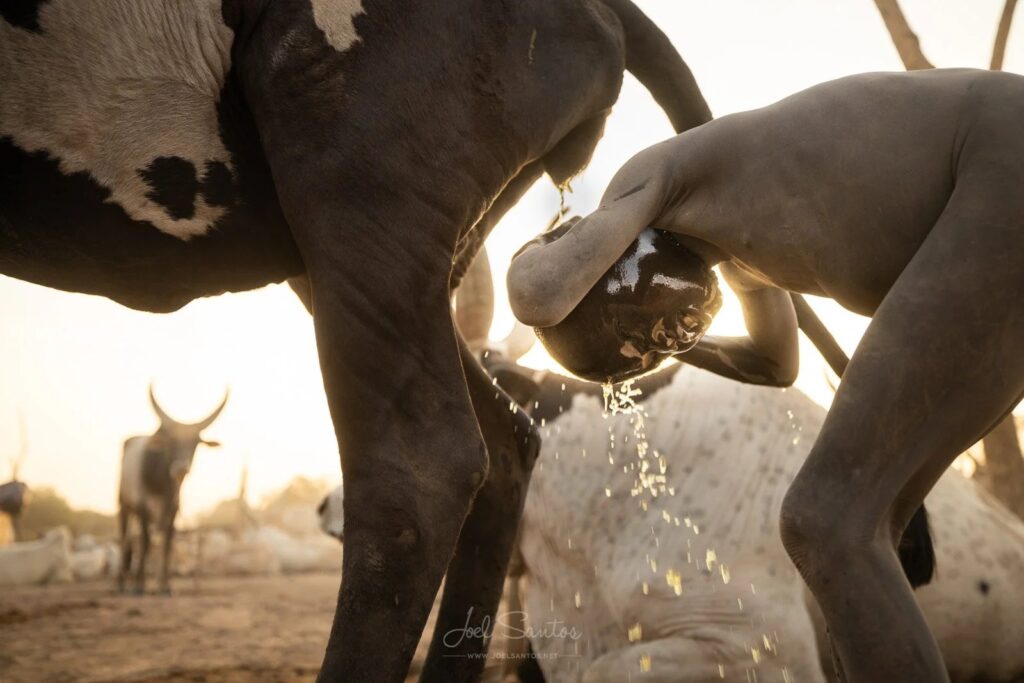
This is the extraordinary story of a community where cows are not just animals — they are life itself.Across the world, different communities follow unique traditions that reflect their history, beliefs and way of life. Among them, the Mundari tribe of South Sudan stands out for its extraordinary bond with cattle. For the Mundari people, cows are not just animals — they are a symbol of wealth, social status, family, and survival.
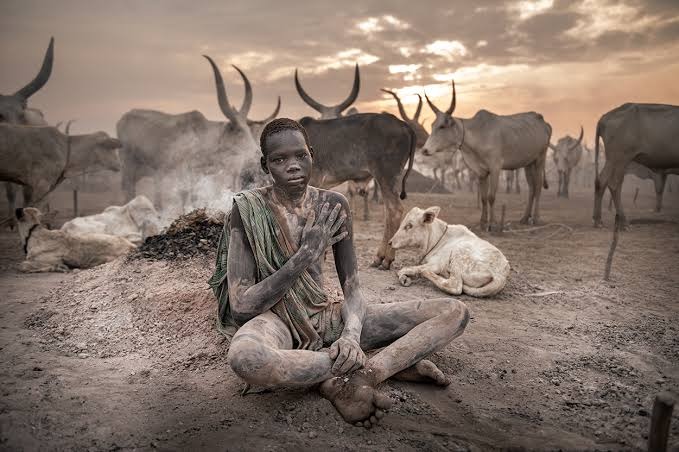
Their entire lifestyle revolves around cattle, which serve as their primary source of livelihood and play a central role in their culture and traditions.For generations, the Mundari community has treated cattle with deep respect and care. Their herds are considered a valuable part of their identity, and the size and health of their cattle often represent their social standing. Unlike many places where livestock is viewed mainly as an economic resource, the Mundari people share a much deeper emotional connection with their animals.
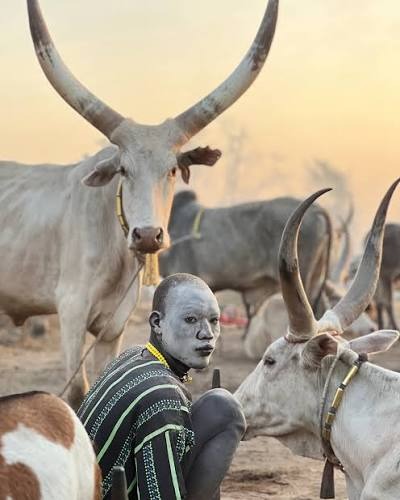
They protect their cattle, care for them daily, and remain closely connected with them as part of their everyday life.One of the most striking aspects of their tradition is the way they live alongside their cattle. Many members of the community spend nights near their herds to protect them from threats. They clean and care for their animals regularly, believing that maintaining a strong relationship with cattle brings prosperity and respect.
In Mundari culture, cattle are also considered valuable gifts and are traditionally exchanged during important occasions, including marriages.The community is also known for its traditional use of cattle products in daily life. Some Mundari people use cow-related materials as part of their cultural practices, including the use of cow urine and dung in traditional ways.
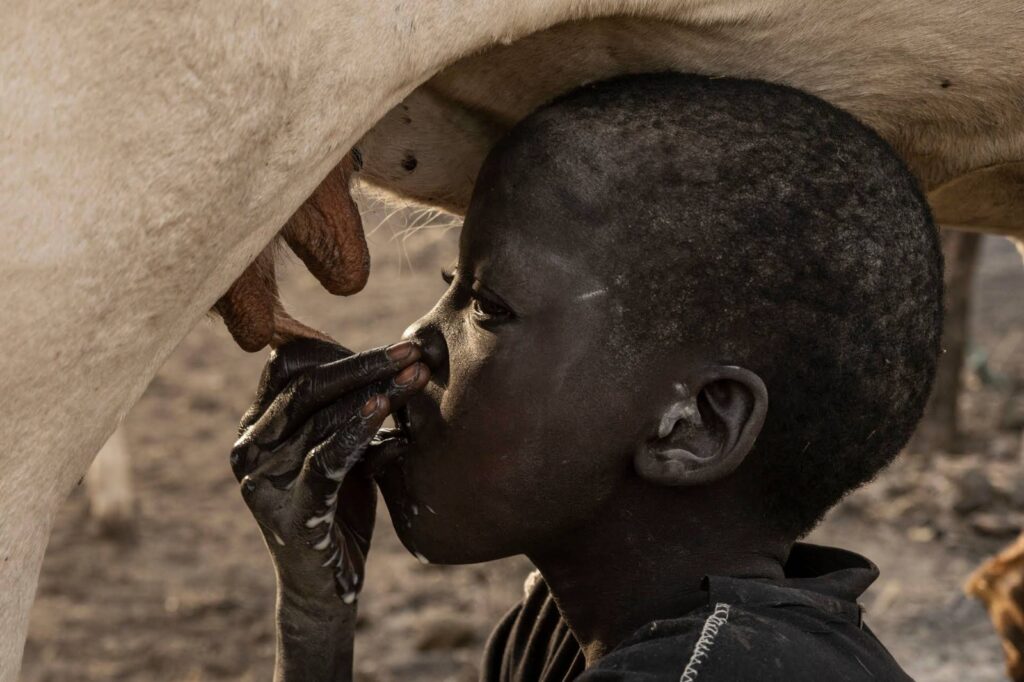
However, modern medical experts advise caution regarding the use of such substances, as their health effects can vary and may carry risks if used improperly.For the Mundari tribe, cattle represent much more than possessions — they represent heritage, dignity and a way of life passed down through generations. Their unique relationship with cows offers a fascinating glimpse into how different cultures around the world view animals and nature.
In a rapidly changing world, the Mundari community continues to preserve a centuries-old tradition where cattle remain at the heart of their existence.