
 newspop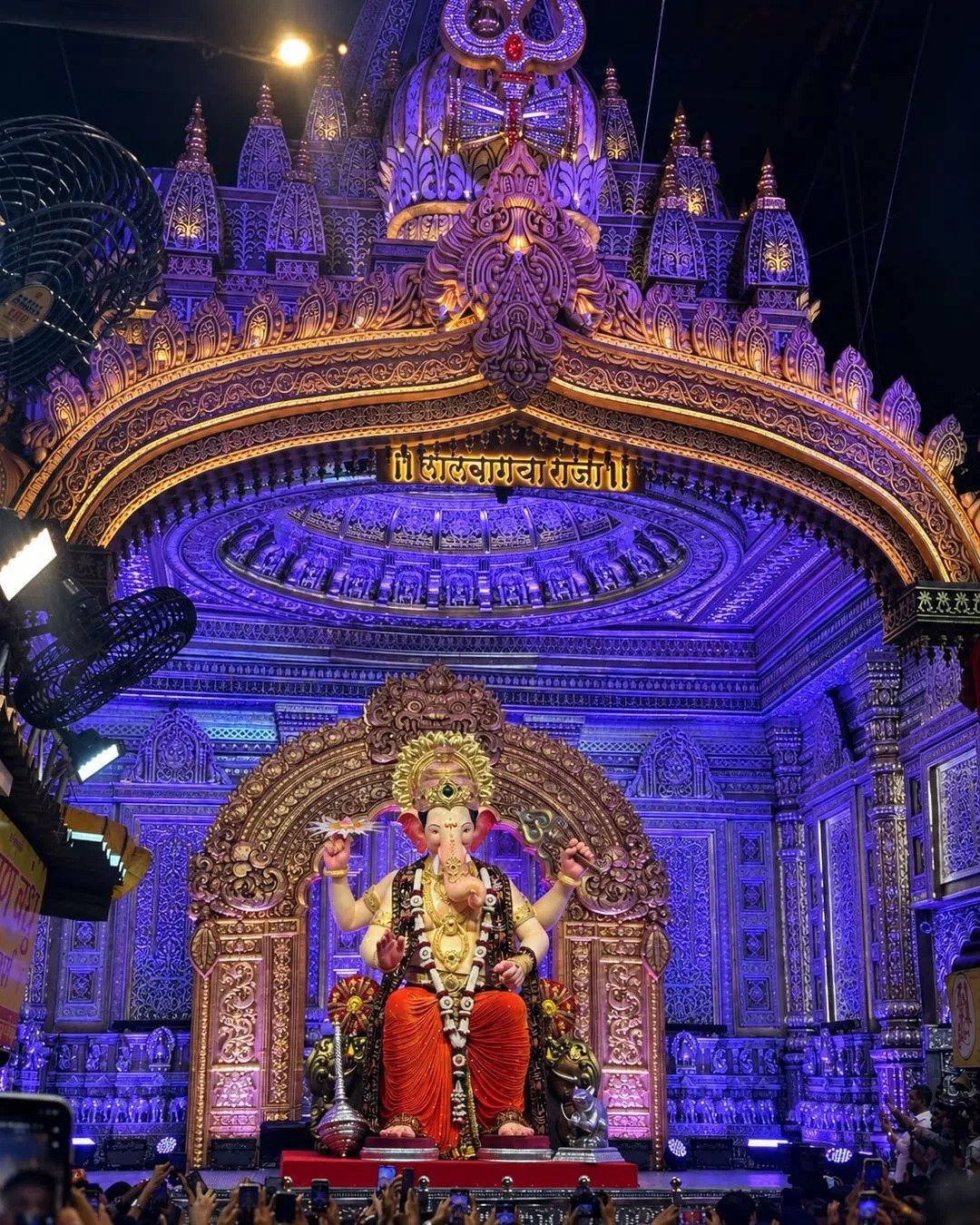
A Prayer, A Promise & A Community’s Struggle : How Lalbaugcha Raja Tradition Began
Mumbai : Long before Lalbaugcha Raja became one of India’s most iconic Ganesh idols, its story was rooted in the struggles, hopes and prayers of ordinary people. The tradition is closely linked to Mumbai’s historic Girangaon, where mill workers, fishermen, small traders and local residents once depended on the Lalbaug area for their livelihoods. When a local market near Peru Chawl was shut down in 1932, fishermen and shopkeepers faced a serious livelihood crisis and came together to seek a permanent market space.
According to the tradition, they prayed to Lord Ganesha and resolved to celebrate Ganesh Utsav if their wish for a market was fulfilled. Their persistent efforts eventually resulted in land being made available for a market, and the community began its Ganesh festival as an expression of gratitude.
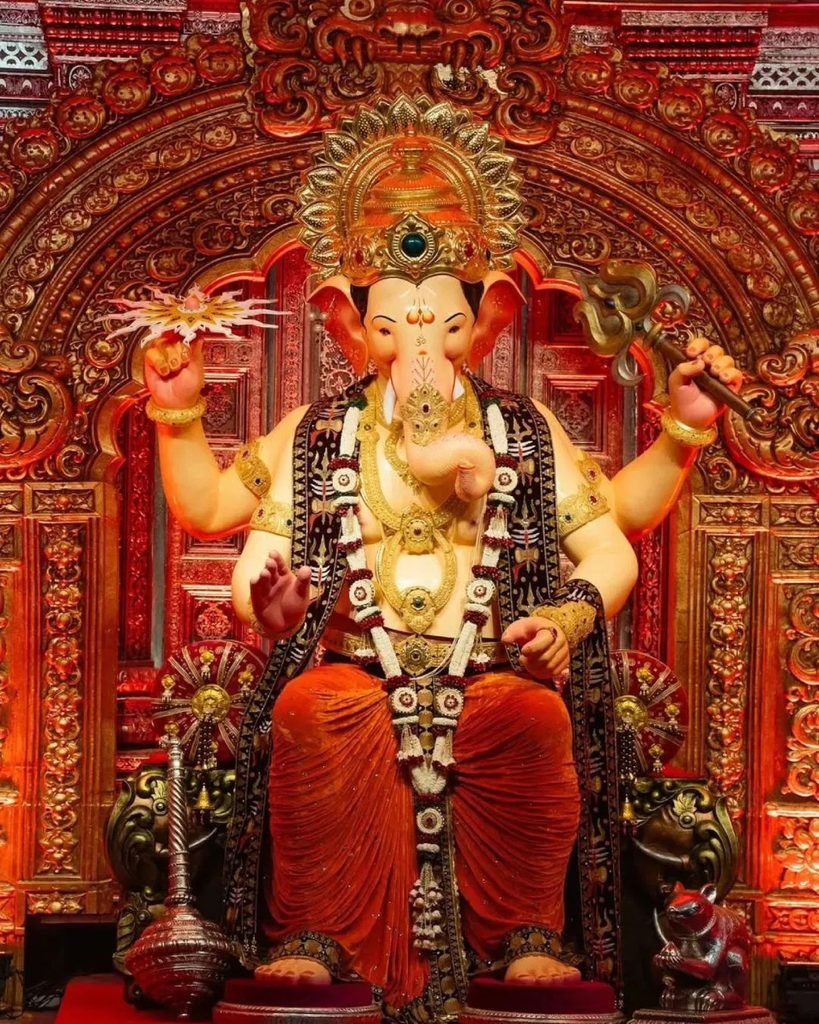
The Lalbaugcha Raja Sarvajanik Ganeshotsav Mandal was subsequently established on September 12, 1934, turning a community’s struggle and faith into a tradition that would grow into one of Mumbai’s biggest celebrations. Over the decades, Lalbaugcha Raja became known as ‘Navsala Pavnara Ganpati’, or the Ganesha believed to fulfil devotees’ wishes, drawing lakhs of people who come with prayers, hopes and personal vows.
The idol’s creation and tradition have also been associated for generations with the Kambli family, adding another layer of heritage to the celebration. As Ganesh Chaturthi 2026 approaches, with the festivities beginning on September 14 and concluding on September 25, the first glimpse of Bappa has once again filled devotees with emotion and anticipation.
Today, Lalbaugcha Raja is far more than a famous idol it represents faith born from hardship, community strength, gratitude and Mumbai’s enduring spirit. From fishermen seeking a livelihood to millions of devotees seeking blessings, the journey of Lalbaugcha Raja stands as a powerful reminder that sometimes a community’s deepest struggles can give birth to its most cherished traditions.