 newspop
Animal-Associated Virus Raises Questions After Reported Human Case in France
Paris : France has reportedly detected a human infection of the Shamonda virus (SHAV), a pathogen primarily associated with livestock, with one death reported in connection with the case. The reported development has drawn attention to the need for further scientific investigation into the virus, its potential effects on humans, and the circumstances surrounding the suspected infection.
According to the information available, the patient was already receiving hospital treatment for other health conditions when doctors reportedly suspected that neurological complications could be linked to the virus. Subsequent testing was said to have confirmed the infection, while medical examinations reportedly indicated that the patient had a weakened immune system. However, the precise relationship between the virus, the patient’s existing medical conditions and the reported death would require confirmation from reliable medical sources.
The Shamonda virus, also known as SHAV, is generally associated with animals, particularly cattle. It belongs to the group of viruses that circulate among livestock, and its transmission is understood to involve insect vectors. Biting insects, including certain types of mosquitoes or other vectors, may play a role in transmitting the virus between susceptible animals.
Reports have also associated the virus with other livestock species, including sheep, goats and horses. Because animal-associated viruses can sometimes raise questions about their ability to infect humans, scientists may investigate unusual cases to understand whether a pathogen has crossed species barriers and what conditions could have contributed to the infection. Nevertheless, the detection of a suspected human case does not, by itself, establish that the virus can spread easily between people or that a wider outbreak is underway.
According to the information provided, the reported case is being investigated because human infection had not previously been documented in the circumstances described. Medical experts would need to examine the patient’s clinical history, laboratory results, possible exposure to infected animals or insect vectors, and other potential sources of infection to establish how the virus may have entered the body.
Investigators would also need to determine whether the neurological complications were directly caused by the virus or were associated with other underlying health problems. Such investigations are important because a single reported case can raise scientific questions without necessarily indicating an immediate public-health emergency.
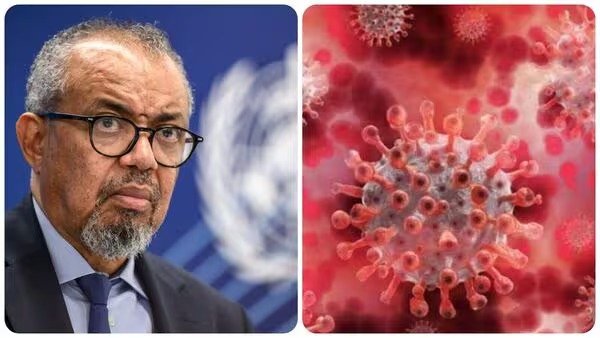
The World Health Organization (WHO) is reportedly monitoring the situation, while further investigations are said to be underway to assess the possibility of additional cases. Health authorities would typically examine relevant medical records, verify laboratory findings and review possible exposure routes before drawing conclusions about the risks to the wider population.
They may also assess whether any other patients have experienced similar symptoms or had contact with a potential source of infection. At present, the information provided does not establish that sustained human-to-human transmission has occurred, nor does it confirm that the virus is spreading widely among the public. Any assessment of the overall risk will depend on verified laboratory evidence and findings from the ongoing investigation.
The reported death has also raised questions about whether people with weakened immune systems or serious underlying illnesses could face a greater risk of complications if infected. However, more evidence would be needed before scientists could determine whether such individuals are particularly vulnerable to SHAV or establish the severity of the infection in humans.
Medical researchers would need additional information about symptoms, disease progression, possible transmission routes and outcomes in any further cases to develop a clearer understanding of the virus’s impact on human health.




 Mudasir Maqbool