 newspop
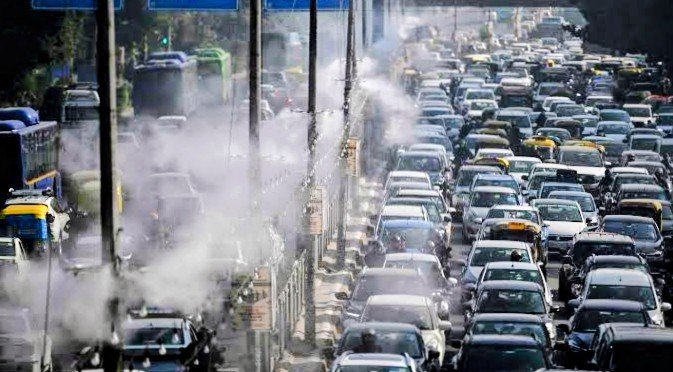
New Delhi : Delhi-NCR has moved into a stricter anti-pollution regime, with authorities enforcing Stage 3 of the Graded Response Action Plan (GRAP) on Friday evening, November 6, as deteriorating air quality pushed the national capital closer to the ‘Severe’ category.
The Commission for Air Quality Management (CAQM) invoked GRAP Stage 3 after Delhi’s overall Air Quality Index (AQI) touched 382 at 4 PM, placing it in the ‘Very Poor’ category. Several monitoring stations, however, recorded AQI levels above 400, indicating ‘Severe’ pollution.
The latest restrictions will impact construction activities, vehicular movement, schools and office operations across Delhi and adjoining NCR cities, including Noida, Ghaziabad, Gurugram and Faridabad.
Construction Activities Face Sweeping Restrictions
One of the biggest measures under GRAP Stage 3 is the suspension of non-essential construction and demolition work across the NCR.
Activities such as excavation, drilling, piling, demolition, masonry, road construction, stone cutting, grinding, painting, polishing and other dust-generating operations have been prohibited.
The restrictions also cover the loading, unloading and transportation of construction materials, including cement, sand, bricks, fly ash and crushed stone, particularly where dust pollution cannot be controlled.
However, exemptions have been provided for essential infrastructure and public utility projects, including Metro rail, Indian Railways, airports, hospitals, national security installations, highways, flyovers, power transmission, telecommunications, sewage treatment and public water supply projects.
Older Vehicles Barred From Key NCR Areas
To tackle vehicular emissions, restrictions have also been imposed on older, more polluting vehicles.
BS-III petrol and BS-IV diesel four-wheelers will not be allowed to operate in Delhi, Gurugram, Faridabad, Sonipat, Ghaziabad and Gautam Buddha Nagar.
Vehicles specially adapted for persons with disabilities have been exempted.
Additionally, medium and light goods vehicles registered outside Delhi that do not meet BS-VI emission standards will face restrictions on entering the national capital.
Primary Schools to Offer Hybrid Classes
The worsening pollution situation has also prompted changes in school operations.
Schools up to Class 5 in Delhi, Gurugram, Faridabad, Ghaziabad and Gautam Buddha Nagar have been directed to provide hybrid learning facilities, allowing students to attend classes physically or study online.
Parents can choose the mode of education based on their children’s needs and prevailing conditions.
Work From Home May Be Enforced
Government authorities across the NCR have also been empowered to introduce a 50 per cent office attendance arrangement.
Under this provision, public, municipal and private offices may operate with only half their workforce physically present, while the remaining employees work from home.
With pollution levels remaining dangerously high, GRAP Stage 3 marks a significant escalation in Delhi-NCR’s battle against toxic air. Authorities are expected to closely monitor air quality and take further measures if conditions deteriorate.