 newspop
What if we told you that a community with deep ancestral connections to Africa has been living in India for centuries, making this country its home while preserving fascinating elements of its ancestral heritage ? This is the extraordinary story of the Siddhi community, also known as the Sidi, a unique community whose history reflects India’s centuries-old connections with different parts of the world.
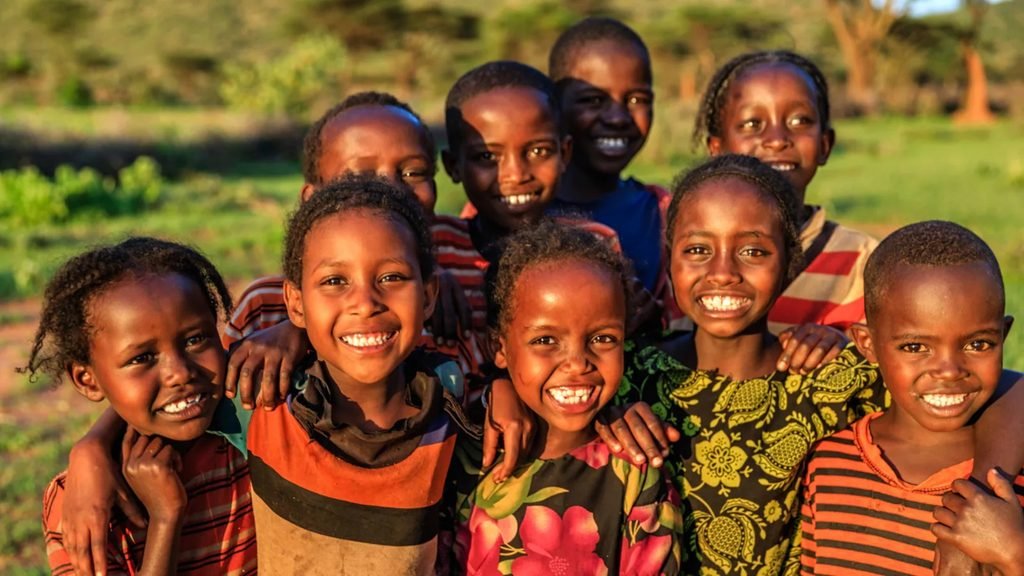
With roots tracing back to sub-Saharan Africa, particularly among populations belonging to Bantu-speaking communities, the Siddhis have become an integral part of India’s rich cultural and social fabric. They are found in several parts of the country, including Gujarat, Karnataka and Andhra Pradesh, with a particularly significant presence in Gujarat’s Saurashtra region. One place that has attracted considerable attention is Jambur village near Gir National Park, popularly known as ‘Mini Africa’ because of its large Siddhi population and distinctive cultural identity.
But how did people with African ancestral roots become part of Indian society? Historical accounts suggest that Africans arrived on the Indian subcontinent through different routes and during different historical periods. Some came as traders, sailors and travellers, while others arrived as soldiers, guards, administrators and, in certain cases, through the tragic history of the slave trade.
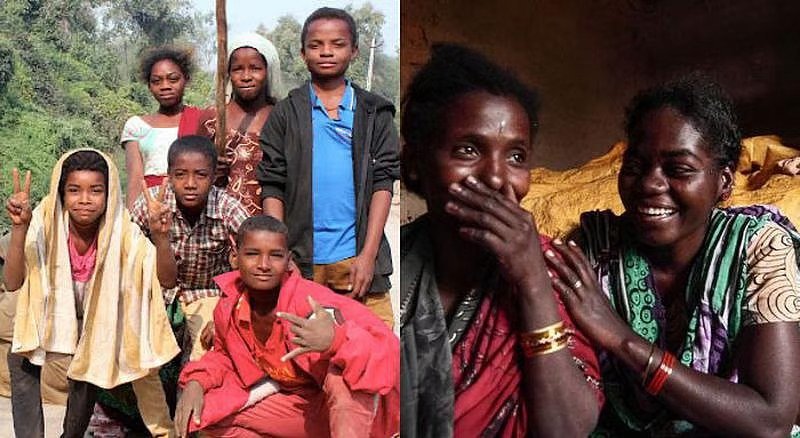
Their journeys were shaped by changing trade routes, political relationships and the movement of people across the Indian Ocean. In Gujarat, historical records associate some African-origin individuals with the royal establishments of the former Junagadh state, where they served as soldiers, guards and members of security forces.
Over time, many settled in the region, built families and established communities that continued across generations. What makes the Siddhi story particularly fascinating is the way their identity evolved through centuries of cultural exchange. Although their ancestors came from Africa, generations of Siddhis grew up in India, adopted Gujarati and other local languages, embraced regional customs and became part of the wider Indian community.
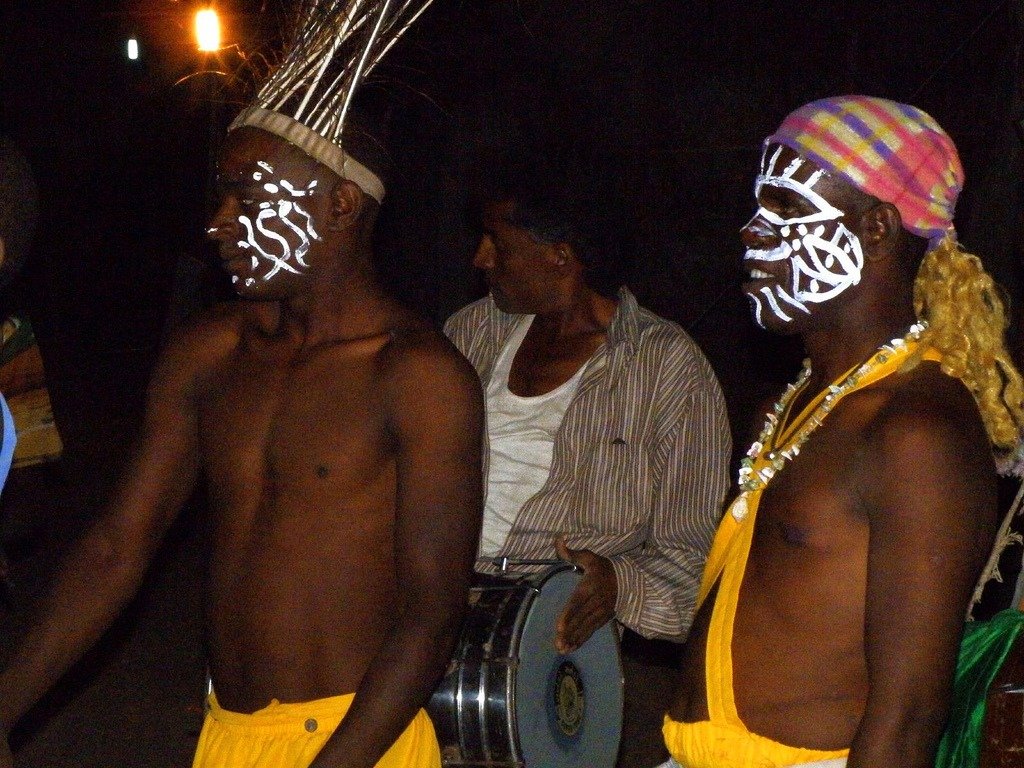
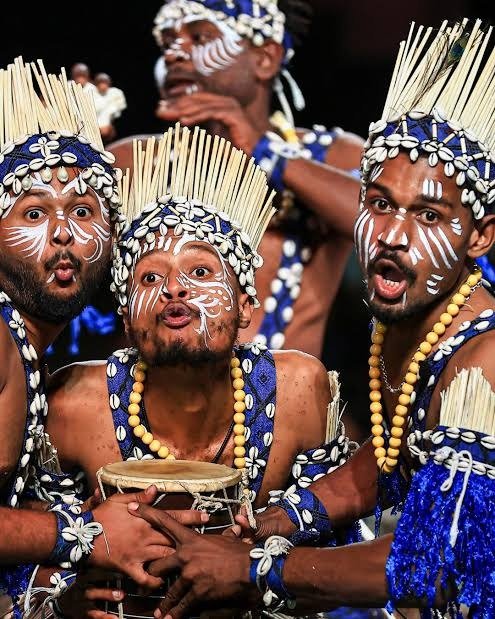
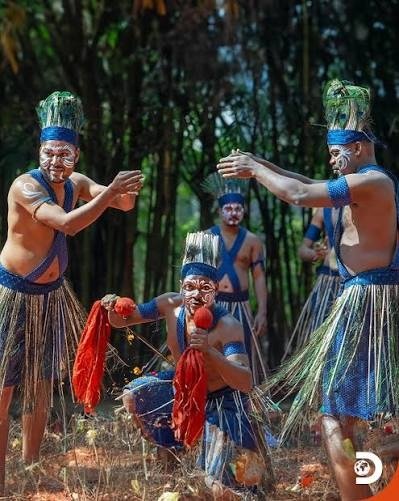
Their lives reflect a beautiful combination of ancestral heritage and Indian traditions, demonstrating how cultures can travel across continents and develop new identities without completely losing their historical connections. One of the most remarkable expressions of this heritage is the traditional Goma dance, an energetic cultural performance associated with the Siddhi community.
Accompanied by powerful rhythmic beats, traditional musical instruments, expressive movements and vibrant group performances, Goma reflects cultural influences connected to their African ancestry. It is not merely a dance performance; it is an important expression of community identity, collective memory and cultural continuity.
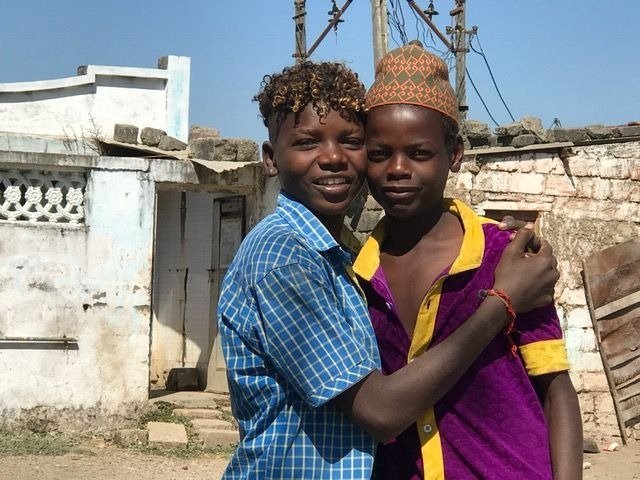
Through music, dance, celebrations and traditional practices, the Siddhis continue to keep elements of their heritage alive while passing their cultural traditions on to younger generations. Their contribution also highlights an often-overlooked chapter of India’s history: the country’s connections with Africa were not limited to modern diplomatic relations but were shaped by centuries of migration, maritime trade and cultural interaction. Today, the Siddhi community is recognised as part of India’s diverse tribal landscape.
In Gujarat, Siddhis are included among the Particularly Vulnerable Tribal Groups (PVTGs), a classification that highlights the need for focused support and development. However, behind their fascinating history and distinctive cultural traditions are everyday challenges. Many community members continue to face difficulties in accessing quality education, stable employment, healthcare facilities and better economic opportunities. Preserving their cultural identity while ensuring equal opportunities for future generations remains an important priority.
Jambur’s identity as ‘Mini Africa’ has also brought attention to the community’s heritage, but the Siddhis are much more than a fascinating historical connection or a tourist attraction. They are citizens of India, with their own stories, aspirations, struggles, achievements and contributions to society. Their journey reminds us that India’s diversity has been shaped not only by its many languages, religions and traditions but also by people who travelled across oceans, settled in new lands and became part of the country’s evolving identity.
From African ancestral roots to an Indian home, from centuries-old migration to the vibrant beats of Goma, the story of the Siddhi community is a powerful reminder that India’s cultural identity has no single origin it is a living celebration of many histories, journeys and traditions.