

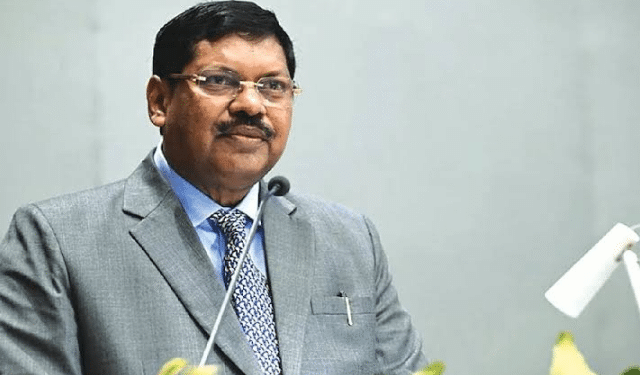
New Delhi : Former Chief Justice of India Bhushan R Gavai has raised serious concerns over the selection process for judicial appointments, alleging that the Supreme Court Collegium is favouring candidates from a particular section of society while failing to ensure adequate representation of marginalised communities and women.
In a letter dated November 27 to President Droupadi Murmu, Gavai questioned the pattern of recent recommendations to constitutional courts, arguing that Scheduled Castes (SCs), Scheduled Tribes (STs), Other Backward Classes (OBCs), minorities and women were not receiving fair representation.
Gavai, who headed the Supreme Court Collegium for nearly six months before retiring in November 2025, reportedly expressed concern that merit and inclusivity were being overlooked in favour of what he described as an attempt to “appease and reward a single community”.
Questions Over Community Representation
Without directly identifying the community, Gavai reportedly pointed out that a group accounting for less than five per cent of India’s population occupies more than 40 per cent of positions in the Supreme Court. People familiar with the matter said the reference was to the Brahmin community.
To support his concerns, the former CJI cited Rajya Sabha data from March 2025 concerning appointments to High Courts since 2018.
According to the figures mentioned in the letter, around three-fourths of the 715 judges appointed during this period belonged to the general category. The appointments included 22 judges from Scheduled Castes, 16 from Scheduled Tribes, 89 from OBC communities and 37 from minority groups.
Collegium Decisions Also Under Scrutiny
Gavai also reportedly questioned certain recent decisions taken by the collegium headed by Chief Justice Surya Kant.
He raised objections over the transfer of a High Court Chief Justice, whom he considered meritorious, to a smaller court to accommodate another judicial officer from the community he alleged was being favoured.
The concerns have brought renewed attention to the transparency, diversity and fairness of the judicial appointment process.
Invokes Constitutional Responsibility
Referring to Article 124(2) of the Constitution, Gavai reminded the President of the importance of ensuring appropriate representation in judicial appointments.
He also emphasised that accountability in the appointment of judges is not limited to the judiciary but involves the executive and Parliament as well.
The letter was also marked to Prime Minister Narendra Modi and Union Law Minister Arjun Ram Meghwal.
The development could reignite the debate over diversity in India’s higher judiciary and the need for greater transparency in the collegium system.