
 newspop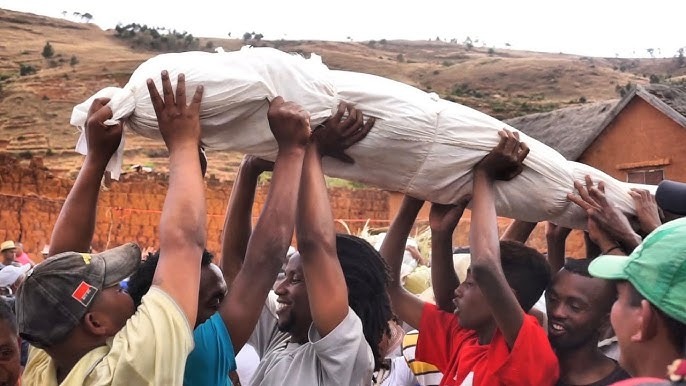
SPECIAL STORY: Antananarivo, Madagascar : What if visiting your ancestors meant opening their graves, wrapping their remains in fresh silk, and dancing alongside them ? While such a practice may seem unimaginable in many parts of the world, it is a centuries-old tradition in Madagascar, where death is not seen as an end but as the beginning of an eternal bond.
Every few years, families come together not to mourn their loved ones, but to celebrate them through the extraordinary ritual of Famadihana, a ceremony that continues to captivate the world with its unique blend of faith, family, and tradition.
While many cultures consider death the final chapter of life, the people of Madagascar view it as the beginning of a lasting bond between the living and their ancestors. In the island nation off Africa’s southeastern coast, an extraordinary centuries-old tradition known as Famadihana, or the “Turning of the Bones,” continues to fascinate the world.
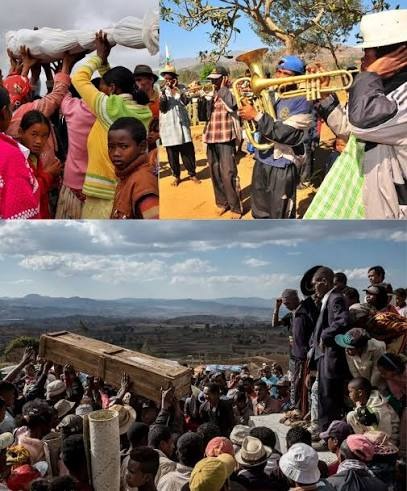
Unlike conventional funeral customs, the ritual involves reopening family tombs every five to seven years, respectfully bringing out the remains of deceased relatives, wrapping them in fresh silk shrouds, and celebrating their memory through music, dance, feasting, and family reunions.
Far from being viewed as eerie or frightening, the ceremony is regarded as one of the highest expressions of love, gratitude, and respect for ancestors.A Celebration, Not MourningThe Famadihana ceremony is usually held during Madagascar’s dry season, between June and September, when families from across the country gather in their ancestral villages.
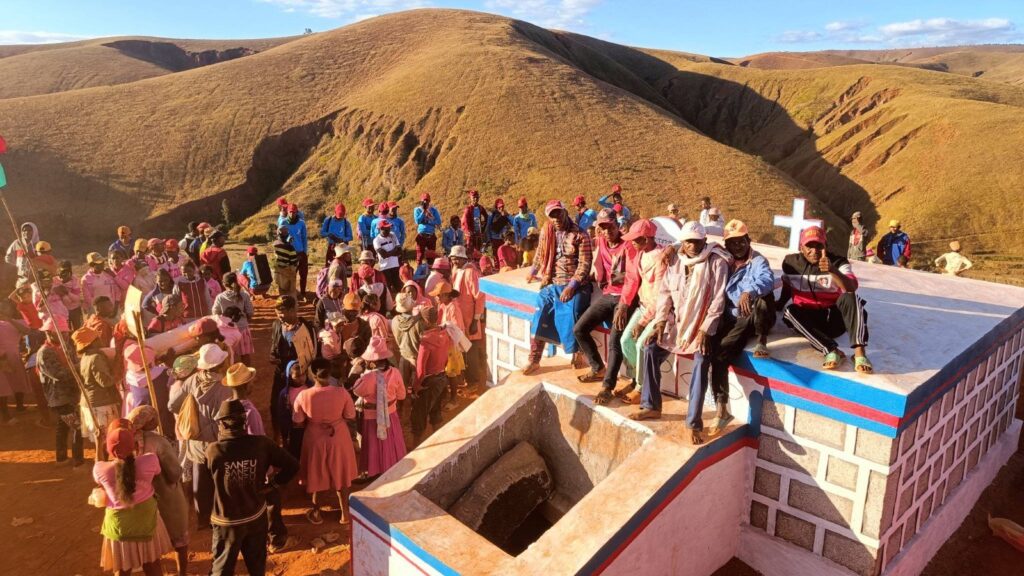
The ritual begins with family members opening the tombs of their ancestors. The remains are carefully removed and wrapped in new silk cloth, replacing the old burial shrouds. The ancestors are then carried in a joyful procession accompanied by traditional music, singing, and dancing.
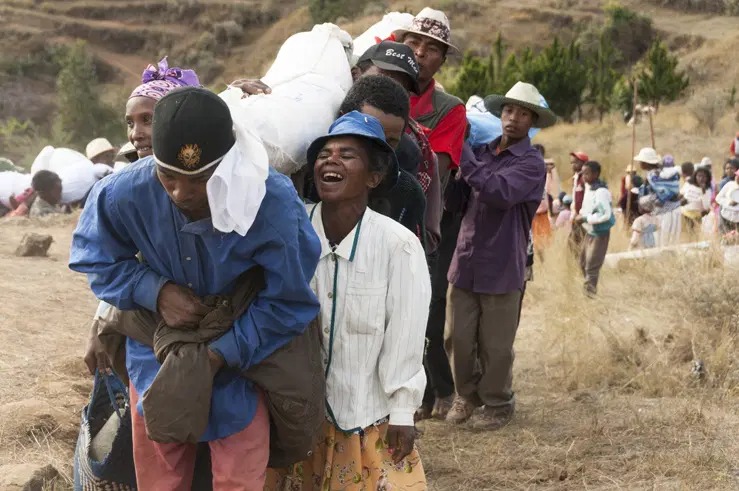
In some regions, relatives even dance while carrying the remains on their shoulders, believing the celebration strengthens the spiritual connection between generations.Following the festivities, the remains are respectfully returned to the family tomb, completing a ceremony that symbolizes remembrance, unity, and continuity.
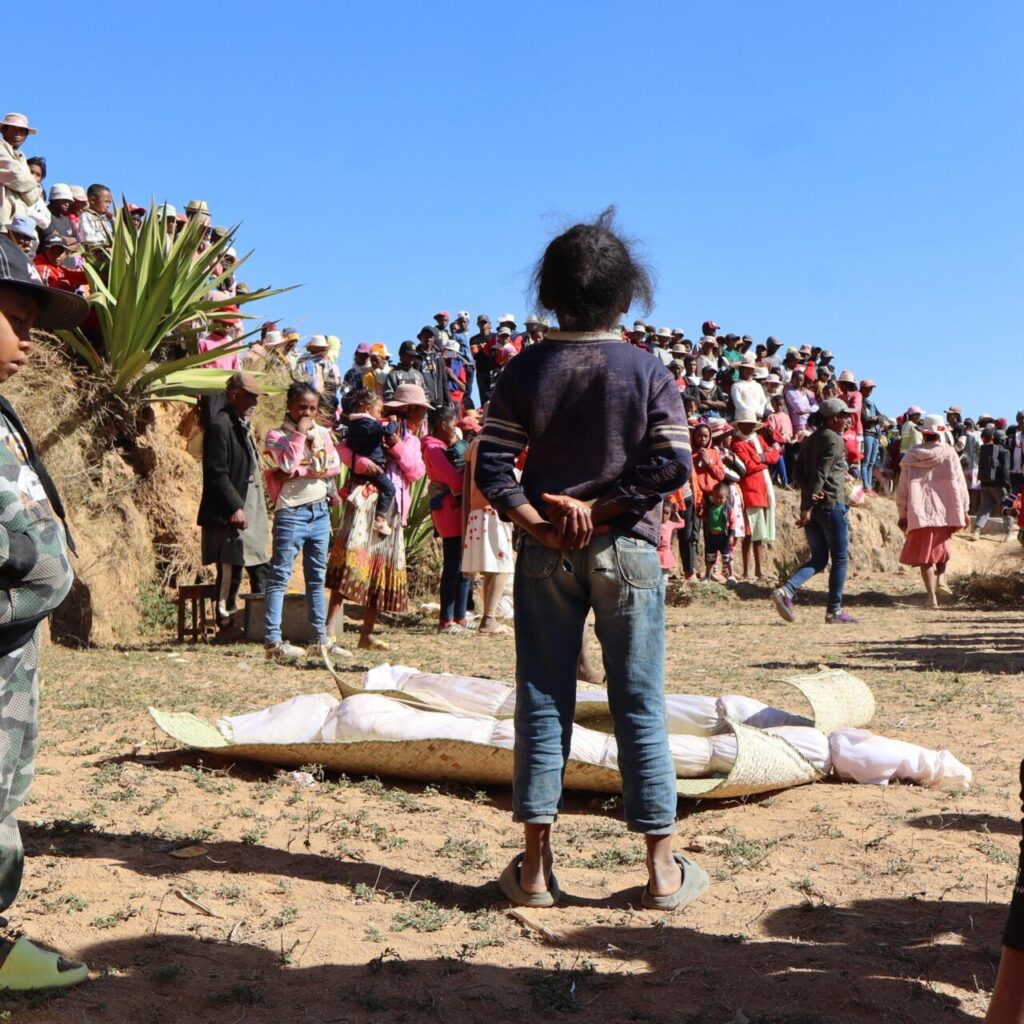
A Deep Spiritual BeliefFor the Malagasy people, ancestors never truly leave their families.Many believe that after death, the spirits of ancestors continue to guide, protect, and bless their descendants. According to local tradition, ancestors often communicate through dreams, offering wisdom and direction during difficult times.
The Famadihana ritual serves as an opportunity to express gratitude, seek blessings, and reaffirm the family’s bond with those who have passed away.
There is also a widespread belief that neglecting ancestral traditions could invite misfortune, while honouring them brings prosperity, harmony, and protection. Keeping Family History AliveBeyond its spiritual significance, Famadihana also strengthens family ties.
Relatives who may live far apart reunite for the occasion, sharing meals, stories, and memories. Elders introduce younger generations to their family history, ensuring that the names, achievements, and legacy of their ancestors are never forgotten.The ceremony transforms remembrance into a vibrant celebration of identity, heritage, and cultural continuity.
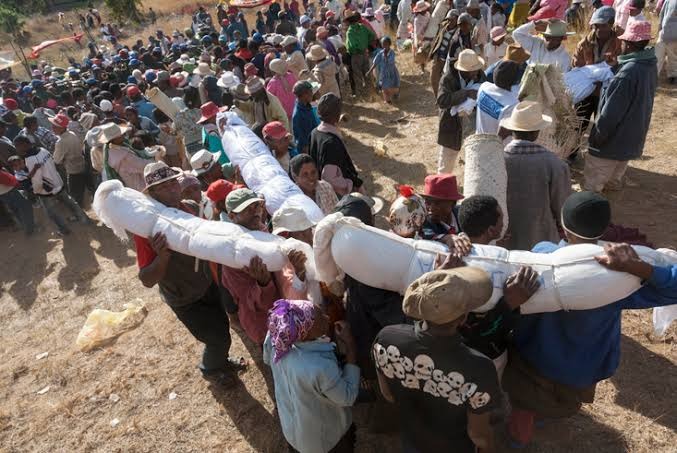
A Tradition That EnduresAlthough modernization has led to a decline in the practice in some urban areas, Famadihana remains deeply rooted in rural Madagascar, where communities continue to observe the ritual with immense devotion and pride.
To outsiders, reopening graves and dancing with ancestral remains may appear unusual. However, for the Malagasy people, it is a profound act of love—one that reflects their belief that death does not end relationships but simply transforms them.
In a world where death is often associated with silence and sorrow, Madagascar’s Famadihana stands as a remarkable reminder that, for some cultures, remembering the departed is not about mourning the past but celebrating an eternal bond that transcends life itself.