

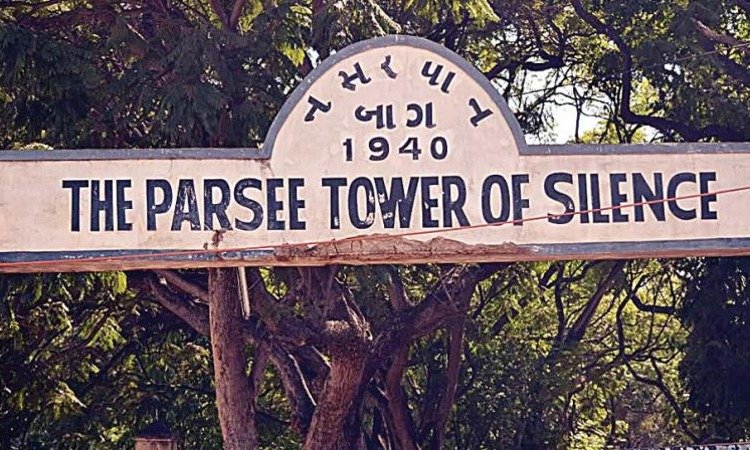
NEITHER CREMATION NOR BURIAL-THE PARSI COMMUNITY’S UNIQUE FUNERAL TRADITION
Imagine a place where the dead are neither cremated nor buried, but are instead left in a specially designated structure as part of an ancient religious tradition! This unusual centuries-old practice belongs to the Parsi community, followers of Zoroastrianism, and is known as ‘Tower of Silence’ or ‘Dakhma’.
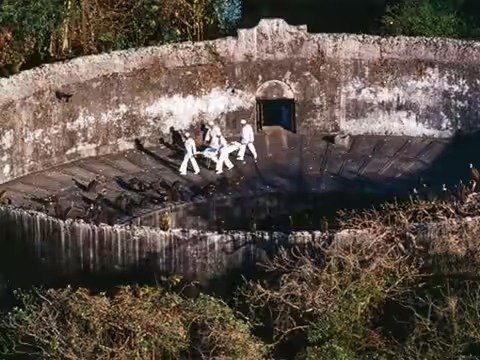
Unlike conventional funeral customs, this ritual is rooted in the belief that fire, earth and water are sacred elements that must remain pure. According to traditional Zoroastrian beliefs, cremating a body could pollute fire, while burying it could contaminate the earth. Therefore, the deceased are traditionally placed in specially constructed, circular, open-air structures called Dakhmas, where nature is allowed to take its course.
Historically, scavenging birds such as vultures helped the natural process, while the remaining bones were later placed in a central pit. The practice gained public attention in India following the death of industrialist Ratan Tata in October 2024, whose funeral arrangements were widely discussed in connection with Parsi traditions. However, this centuries-old custom is facing challenges in modern times, particularly due to the declining vulture population, urbanisation and changing environmental conditions. Interestingly, Odisha has no dedicated Tower of Silence facility for the Parsi community, whether in Bhubaneswar, Cuttack or elsewhere in the state.
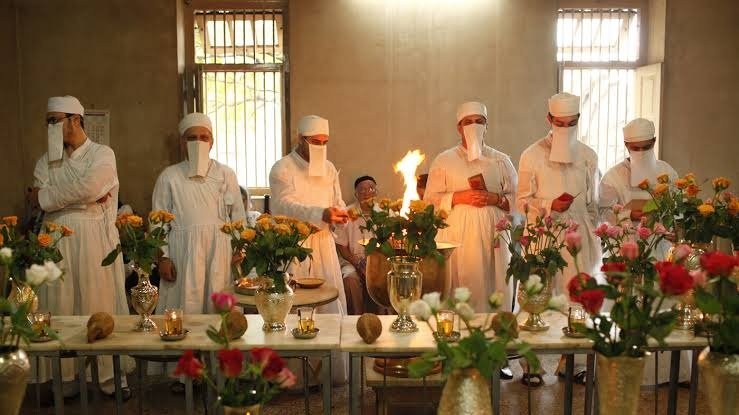
With the Parsi population in Odisha being very small, families wishing to follow this traditional funeral practice may have to depend on facilities in other cities. The Tower of Silence is not merely a different way of conducting last rites; it represents a deep-rooted religious philosophy centred on respecting nature and preserving the purity of its elements. Though the tradition is becoming increasingly difficult to maintain in the modern world, it remains an important part of Parsi religious identity and cultural heritage.