

 newspop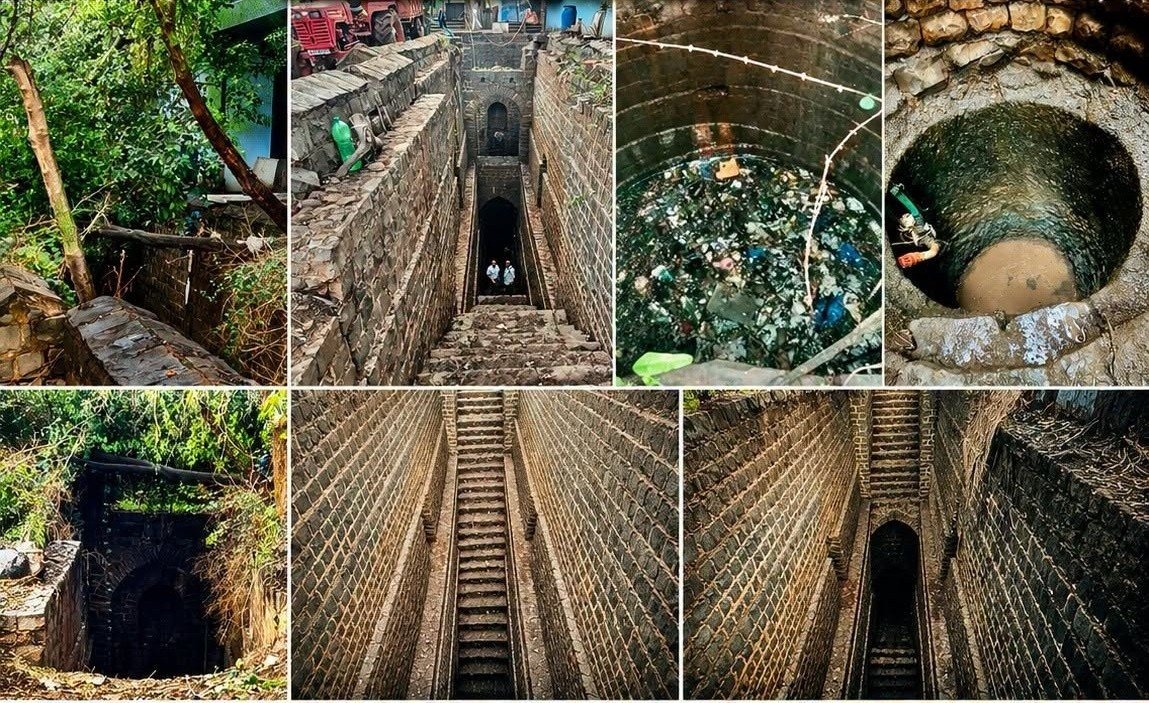
Once Hidden Beneath Garbage and Rubble, the Ancient Stepwell Now Stands as a Symbol of India’s Rich Heritage and Community Spirit
Belagavi, Karnataka: Beneath decades of garbage, sewage, rubble and neglect lay a forgotten architectural treasure waiting to be rediscovered. In a remarkable example of community-driven heritage conservation, a nearly 300-year-old stepwell in Mutga village of Karnataka’s Belagavi district has been restored after remaining buried for almost three decades.
What was once an abandoned site lost beneath heaps of waste has now transformed into a breathtaking heritage landmark, attracting visitors, history enthusiasts and conservationists from across the region.
Located in Kanchveer Nagar of Mutga village, the historic stepwell had gradually disappeared under layers of debris due to years of neglect. Many residents were unaware that such an extraordinary structure even existed beneath the ground.
Their dedication has brought back to life a monument that had almost vanished from public memory.
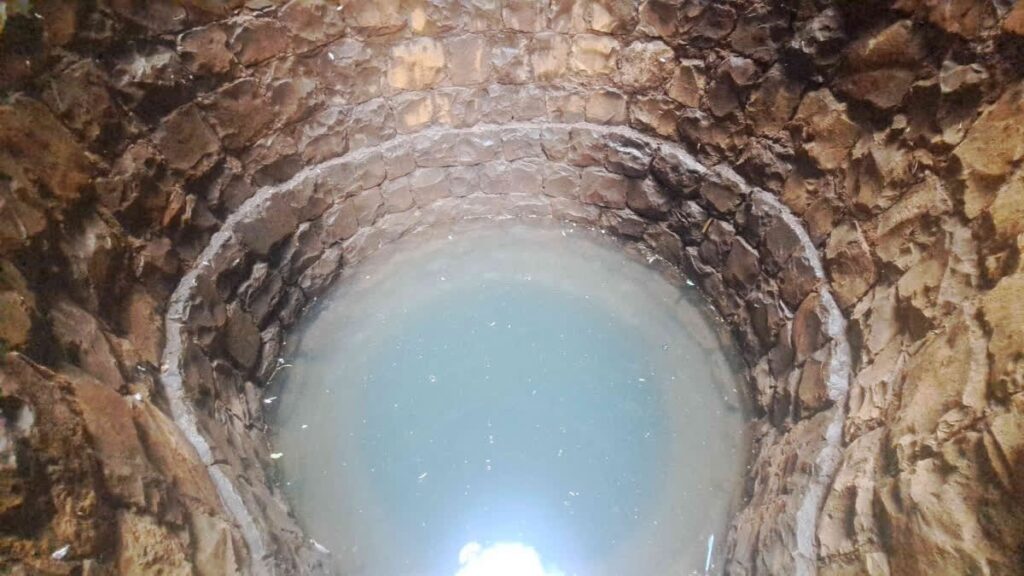
An Architectural Wonder Revealed,The restored stepwell is nearly 80 feet deep and features 53 beautifully crafted stone steps leading down to the water source. During the excavation, volunteers made another exciting discovery fresh natural springs emerging from the base of the stepwell, allowing crystal-clear water to once again fill the centuries-old structure.
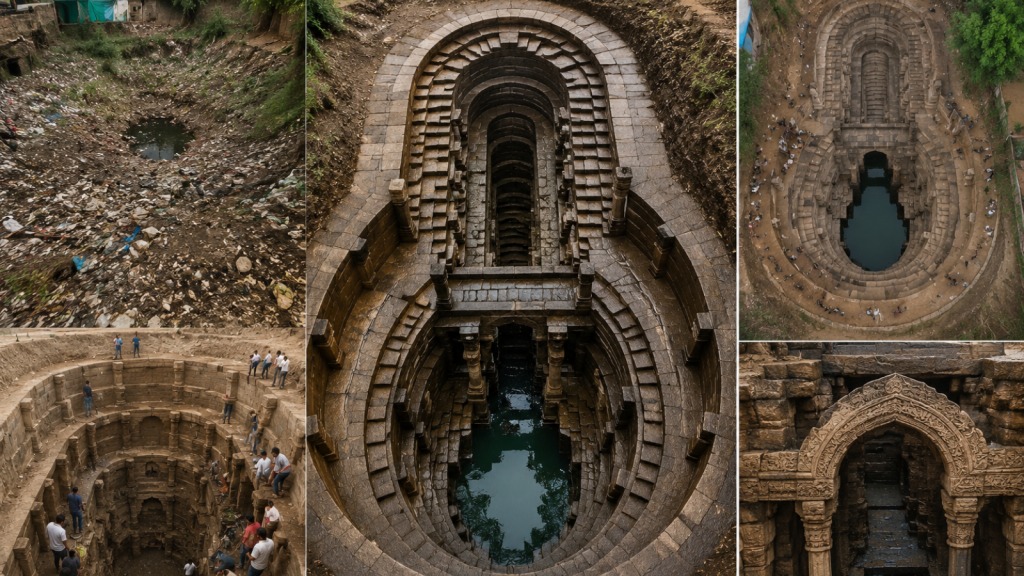
Despite decades underground, many of its original architectural elements have survived remarkably well. Elegant stone pillars, intricately carved arches, and traditional masonry continue to showcase the exceptional craftsmanship of the era in which it was built. A Stunning Shape Hidden in Plain SightOne of the most fascinating aspects of the restored monument has captured widespread attention online.
Viewed from above, the layout of the stepwell closely resembles a Shiva Lingam, giving the structure a distinctive spiritual and architectural identity. The aerial view has quickly become one of its most admired features, drawing photographers, tourists and devotees alike.
Echoes of HistoryHistorians believe the stepwell dates back to either the Adil Shahi dynasty or the early Maratha period, making it nearly three centuries old.Local folklore also adds another intriguing chapter to its history. According to some accounts, the secluded stepwell may once have served as a discreet meeting place for Indian freedom fighters during the country’s struggle for independence, although historians continue to study these claims.
A Powerful Example of Heritage ConservationThe restoration has reignited discussions about preserving India’s vast network of ancient stepwells—structures that once served not only as reliable water sources but also as centres of community life, social gatherings and architectural excellence.
Art historian Indranil Banerjee, a Museum Rietberg–GBF Foundation Fellow 2025, says Karnataka’s restored stepwell is part of a much larger movement. Similar forgotten stepwells have been rediscovered and revived in Jodhpur, Vadodara, Hyderabad, the Deccan region, and several other parts of India. He noted that many of these monuments remained hidden beneath urban development and neglect for decades before conservation efforts revealed their historical significance.
More Than a Restoration : A Revival of India’s LegacyThe revival of the Belagavi stepwell is more than the restoration of an ancient structure—it is the restoration of a forgotten chapter of India’s cultural identity.
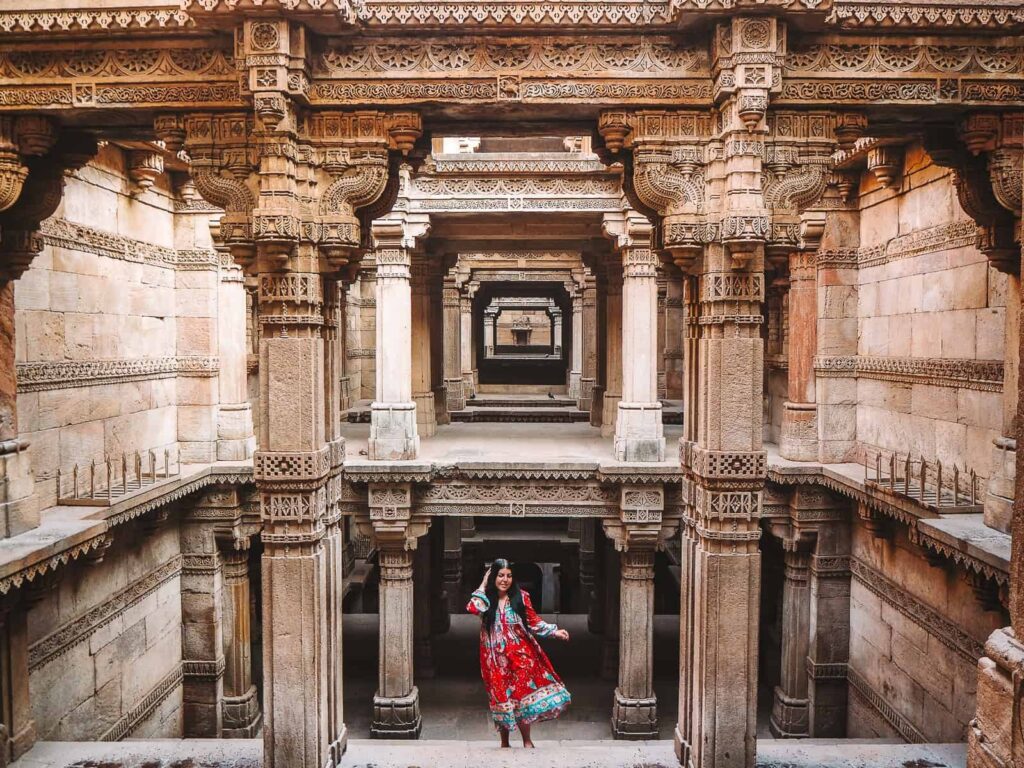
As visitors descend its 53 stone steps and witness clear water flowing once again through a monument buried for decades, the stepwell stands as a powerful reminder that preserving heritage is not only about protecting the past but also about inspiring future generations.
The remarkable transformation of this 300-year-old stepwell proves that when communities come together, even history buried beneath decades of neglect can be brought back to life.