
 newspop
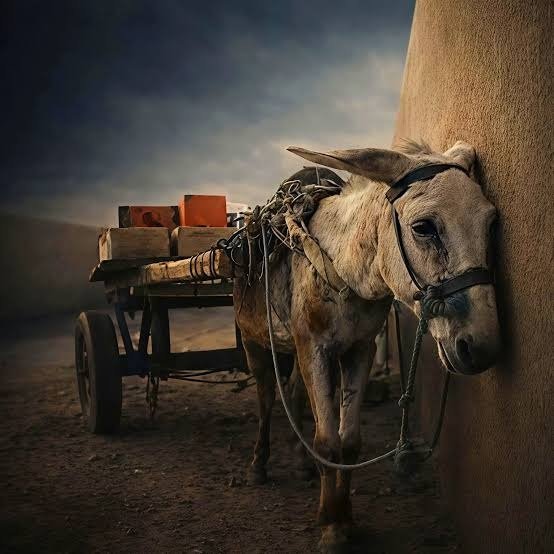
They may not speak our language, but their silence can tell a heartbreaking story. Behind their quiet eyes, unusual behaviour and sudden withdrawal, there may be emotions and needs that deserve our attention, understanding and compassion.
Have you ever seen a dog waiting patiently near the door for an owner who is no longer there? Or a cat that once loved playing but now spends hours hiding in a quiet corner ?
Perhaps an elephant that appears withdrawn after losing a close companion, or a primate that shows signs of distress when separated from its social group. Such observations raise an important question: Can animals experience depression-like emotional states, and how can we recognise when they are struggling ?

Scientific research and animal behaviour studies suggest that many animals can experience complex emotional states, including fear, stress, grief and distress. Some animals also display behavioural changes that resemble certain symptoms of depression in humans. Although scientists continue to investigate the nature of animal emotions, there is growing recognition that animals are not simply living creatures driven by instinct alone. Their emotional well-being is an important part of their overall health.
Can Animals Experience Emotional Distress?
Animals communicate differently from humans. They cannot explain their sadness, loneliness or discomfort in words, but they may express distress through changes in their behaviour, appetite, activity levels and social interactions.
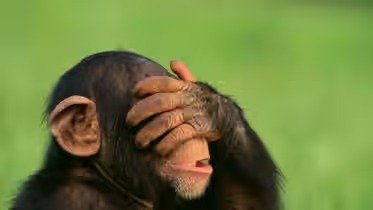
Dogs, for example, can form strong attachments to their caregivers and may show distress when separated from them. Cats can also develop close relationships with familiar people and animals, and changes in their environment may affect their behaviour. Elephants are known for their complex social relationships, while several primate species depend heavily on social bonds and group interactions.
When an animal loses a companion, experiences a major change in its surroundings or lives under stressful conditions, it may respond with unusual behaviour. These reactions can sometimes resemble depression, although the underlying causes may differ from one animal to another.
It is important to remember that animals do not necessarily experience emotions in exactly the same way humans do.
Researchers are still studying how animal emotional states compare with human mental health conditions. Nevertheless, recognising signs of distress and responding with appropriate care can make a meaningful difference to an animal’s welfare.
The Pain of Losing a Loved Companion
One of the most moving aspects of animal behaviour is the way some animals respond to the loss of a familiar companion. Social bonds can be important to many species, and separation or death may be followed by noticeable behavioural changes.
A dog may search for a missing family member, become less playful or seek more attention from familiar people. A cat may appear unsettled after another household pet dies or after a trusted caregiver leaves. Elephants have been observed displaying unusual attention towards deceased companions, while some primates show behavioural changes following the loss of members of their social groups.
Such observations suggest that social bonds matter deeply in the lives of many animals. However, researchers must be careful not to assume that every behaviour has the same emotional meaning it would have in a human.

The loss of a companion can also disrupt an animal’s daily routine. Feeding times, play sessions, grooming, walks and sleeping arrangements may suddenly change. Even when the animal’s response is difficult to interpret, a calm environment, predictable routines and gentle attention can help support its well-being.
Loneliness and Separation Can Affect Behaviour
For animals that depend on social interaction, prolonged isolation can become a serious welfare concern. Dogs may become distressed when left alone for extended periods, particularly if they have separation-related difficulties. Some cats may also show signs of stress when their usual environment, companions or routines change.
Animals need more than food and water to thrive. Depending on their species and individual needs, they may also require opportunities to explore, play, socialise, exercise, rest and engage in natural behaviours.
When these needs are not met, an animal may become bored, frustrated, fearful or withdrawn. A lack of mental stimulation can be particularly challenging for intelligent and active animals that need regular opportunities to investigate their surroundings.
For pets, providing suitable toys, enrichment activities, exercise and positive social interaction can support their welfare. For animals in shelters, zoos or other managed environments, appropriate space, environmental enrichment and opportunities for species-specific behaviour are also essential.
Signs That an Animal May Be Struggling
Animals cannot tell us directly when something is wrong, so changes in their normal behaviour deserve attention.

Some possible warning signs include:
• Loss of interest: An animal that once enjoyed walks, playtime, toys or interaction may become less interested in those activities.
• Changes in appetite: Eating noticeably less or more than usual may indicate stress or an underlying health problem.
• Unusual inactivity: An animal may spend more time resting, moving less or showing reduced interest in its surroundings.
• Hiding or withdrawal: Some animals may avoid people, other animals or familiar social activities.
• Changes in sleep: Sleeping more than usual, appearing restless or experiencing disrupted sleep may be signs that something is affecting the animal.
• Increased vocalisation: Whining, meowing, barking or other vocal behaviours may increase when an animal feels distressed or uncomfortable.
• Changes in social behaviour: An animal may become unusually clingy, avoid contact or react differently to familiar people and animals.
• Repetitive behaviours: Repeated pacing or other unusual patterns of behaviour may sometimes indicate stress, frustration or an unmet need.
These signs should not be treated as a checklist for diagnosing depression. A single behaviour may have several explanations, and the animal’s age, species, personality, environment and medical history all matter.

Their Silence Deserves to Be Understood
A quiet dog, a withdrawn cat or an animal that no longer shows interest in its surroundings may be communicating something important, even if we cannot immediately understand what it means.
Sometimes the cause may be grief or stress. Sometimes it may be fear, loneliness, an environmental problem or an underlying illness. The answer is not always obvious, but careful observation and appropriate professional care can help uncover the reason.
Animals may not have words to explain their pain, but they deserve to have their needs recognised. Their well-being depends on more than survival; it also depends on safety, suitable surroundings, meaningful activity and compassionate treatment.
The next time an animal behaves differently, let us pause before dismissing it as lazy, difficult or unfriendly.
A little patience, a closer look and the right care may be exactly what it needs.
Because kindness is not only about how we treat those who can speak to us. It is also about how we care for those whose needs must be understood in other ways.