 newspop
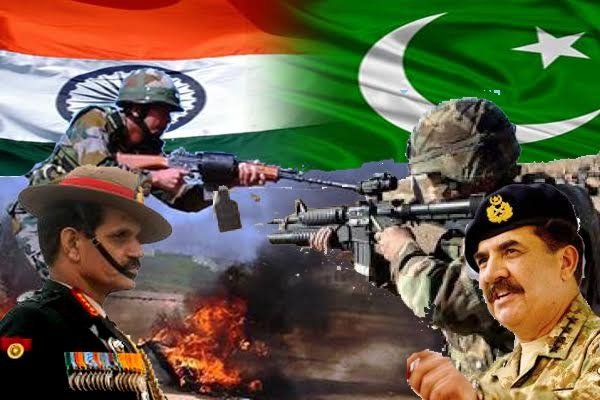
September 29, 2016 : The Night India Crossed the LoC

New Delhi : Some dates become part of history, while some events become symbols of a nation’s resolve. September 29, 2016, became one such date for India. Just days after the deadly Uri terror attack on September 18, India announced that its Army had carried out a “surgical strike” across the Line of Control (LoC) against what it described as terrorist launch pads in Pakistan-occupied territories. According to India’s Ministry of External Affairs, the operation was a “limited and calculated counter-terrorism operation” based on intelligence about militant groups preparing to infiltrate into India.
The announcement marked a major moment in India-Pakistan relations and placed the term “surgical strike” firmly in India’s security and political vocabulary. The operation came after the Uri attack, in which 19 Indian soldiers were killed, and India said the objective was to prevent further infiltration and disrupt militant preparations. The operation was conducted by personnel from the Army’s Para Special Forces, with Indian officials saying teams crossed the LoC, targeted militant launch sites and returned after completing their mission.
The exact operational details, including the number of personnel involved and casualties inflicted, have been reported differently over the years, while Pakistan rejected India’s characterization of the incident as a surgical strike and described the episode differently. What remains officially documented is that India publicly announced the cross-LoC counter-terror operation on September 29, 2016, turning it into a defining episode in the country’s counter-terrorism narrative.
Beyond the battlefield, the operation also carried a strategic and diplomatic message: India was signalling that cross-border terrorism would remain a central security concern and that its response could extend beyond conventional diplomatic protests. India’s 2016–17 foreign-policy report records that the government repeatedly raised concerns over cross-border terrorism with Pakistan and subsequently raised the issue with world leaders and international forums.
The episode also became an important reference point for India’s later security posture, including the 2019 Balakot strike, when India said it conducted an intelligence-led, non-military pre-emptive strike against a Jaish-e-Mohammed training camp following the Pulwama terror attack.
Ten years on, the memory of September 2016 remains closely associated with the transformation of a military operation into a powerful national-security symbol one that continues to shape discussions about deterrence, counter-terrorism and India’s approach to threats emanating across the LoC.