

 newspop
Sawan: The Month When Mahadev Comes Closer to His Devotees
Bhubaneswar: When the holy month of Sawan arrives, the entire atmosphere turns divine. Temples echo with the sacred chants of “Har Har Mahadev” and “Bol Bam,” devotees bow before the Shivling with unwavering faith, and the air fills with the fragrance of Belpatra, flowers and incense. For millions of Shiva devotees, Sawan is not merely a month it is a sacred journey of devotion, surrender and divine connection with Mahadev.
Every Monday carries a special significance, as devotees observe fasts, perform Jalabhishek and Rudrabhishek, and seek the blessings of Bholenath. But have you ever wondered why this particular month is considered so dear to Lord Shiva? Behind the spiritual significance of Sawan lie several fascinating mythological stories involving Mahadev, Goddess Parvati and His devoted followers.
The holy month of Sawan holds a special place in Hindu religious traditions and is considered particularly sacred for devotees of Lord Shiva. As soon as Sawan begins, Shiva temples across India witness huge gatherings of devotees, while Kanwariyas travel long distances carrying holy water to offer it to the Shivling. Devotees observe fasts, perform Jalabhishek and Rudrabhishek, chant “Har Har Mahadev” and “Bol Bam,” and seek the blessings of Bholenath with deep faith and devotion.
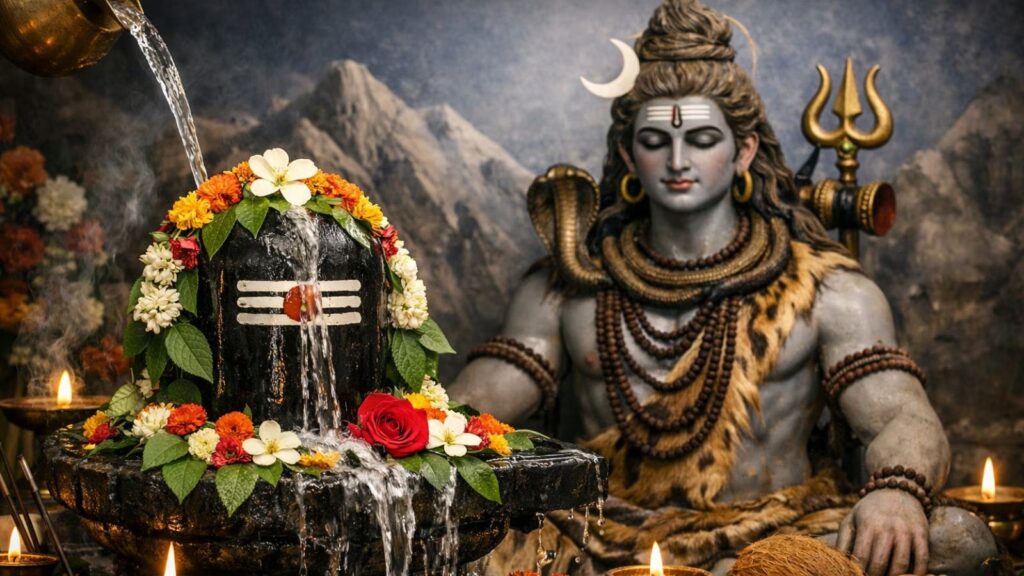
But have you ever wondered why Sawan, among all twelve months, is considered especially dear to Lord Shiva ?
According to various Hindu mythological traditions and religious beliefs, several fascinating stories are associated with the special significance of this month. One of the most popular legends connects Sawan with Goddess Parvati’s intense penance.
According to the mythology, after Sati sacrificed herself at the yajna of her father Daksha, she resolved to reunite with Lord Shiva in her next birth. Sati was subsequently born as Parvati, the daughter of the Himalayas, and after reaching marriageable age, she undertook severe penance with the desire to have Lord Shiva as her husband. Religious traditions associate her intense worship and austerities with the sacred month of Sawan.
Pleased with her unwavering devotion, Lord Shiva accepted Parvati as his consort. Because of this divine connection between Shiva and Parvati, Sawan is regarded by devotees as an especially auspicious period for worshipping Mahadev. Many unmarried women also observe Sawan fasts and offer prayers to Lord Shiva with the traditional belief that sincere devotion can bring blessings and a suitable life partner.
Another popular religious belief says that during Sawan, Lord Shiva visits his in-laws’ home, making the month especially significant for devotees who believe that Mahadev comes closer to the earthly world during this period. According to another well-known mythological tradition, the story of Markandeya is also associated with Lord Shiva’s divine grace.
Markandeya, the son of sage Mrikandu, was destined to have a short life, but he sought refuge in Lord Shiva and performed intense devotion to seek His blessings. Religious accounts describe how Shiva, pleased with Markandeya’s unwavering faith, blessed him with longevity and protected him from death.
This story has further strengthened the belief among devotees that sincere devotion to Mahadev can overcome even the greatest difficulties. Sawan is also associated with the broader period of Chaturmas in Hindu tradition, during which Lord Vishnu is believed to enter a state of yogic sleep.
According to religious belief, Lord Shiva assumes an important role in maintaining the cosmic order during this period, making Shiva worship especially significant. Every Monday of Sawan is therefore considered highly auspicious, and devotees throng Shiva temples from the early hours of the morning to offer milk, water, Belpatra, flowers and other traditional offerings.
The Kanwar Yatra is another major expression of devotion during this sacred month, with thousands of Kanwariyas collecting holy water from rivers and carrying it on foot to Shiva temples while chanting “Bol Bam.” Thus, Sawan is not merely a month of religious observance but a sacred period associated with devotion, penance, faith and the divine bond between Lord Shiva and Goddess Parvati.
From Parvati’s unwavering tapasya and Markandeya’s devotion to the many traditions surrounding Mahadev’s worship, the month carries a deep spiritual significance for millions of devotees.
As temples echo with “Har Har Mahadev” and “Bol Bam,” devotees believe that sincere prayers offered during Sawan bring them closer to Lord Shiva and fill their lives with peace, strength and divine blessings.