 newspop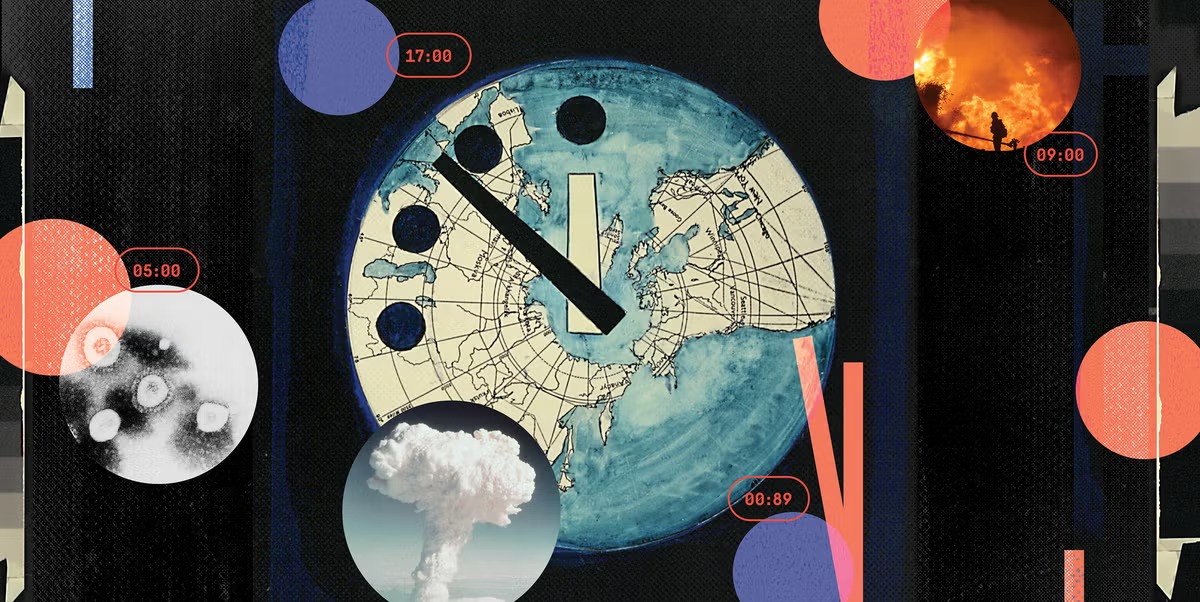
SPECIAL STORY : Scientists Warn Humanity Is Closer Than Ever to Global Catastrophe , But the Clock Is a Symbol, Not a Prediction
New Delhi : The world is not ending tomorrow but scientists say humanity has never stood closer to the edge of a potential global catastrophe. The Doomsday Clock, one of the world’s most recognised symbols of existential risk, now stands at just 89 seconds to midnight, its closest position ever.
From escalating nuclear tensions and climate change to artificial intelligence, pandemics and geopolitical conflicts, experts warn that multiple global threats are converging at once. While the clock is not a prediction of the world’s end, it is a stark warning that the future of civilisation will be shaped by the choices humanity makes today.
Could humanity be inching towards its greatest existential threat ?
While no one can predict exactly how or when the world might end, scientists use a symbolic clock known as the Doomsday Clock to measure how close humanity is to a global catastrophe.Today, that clock is set at 89 seconds to midnight the closest it has ever been to the symbolic hour of destruction. Experts say the movement reflects growing global dangers, including nuclear tensions, climate change, emerging technologies, biological threats, and geopolitical conflicts.
What Is the Doomsday Clock ?
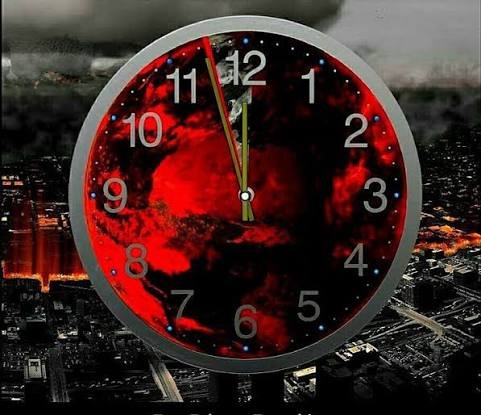
The Doomsday Clock is not a real clock that counts down to the end of the world. Instead, it is a symbolic representation created by the Bulletin of the Atomic Scientists in 1947 to communicate how close humanity is to a civilisation-ending disaster.
The closer the clock’s hands move toward midnight, the greater scientists believe the risks facing the world have become. Midnight symbolises a hypothetical global catastrophe, not a prediction that the world will literally end at a specific time.
Created by Some of the World’s Greatest Scientific Minds : The organisation behind the Doomsday Clock was founded with the involvement of renowned scientists associated with the Manhattan Project, including Albert Einstein and J. Robert Oppenheimer. Their aim was to raise public awareness about the dangers posed by nuclear weapons and later other global threats.
Every year, a panel of scientists, security experts, and policy specialists reviews international developments and decides whether the clock should move forward or backward.How the Clock Has Changed Over the YearsWhen the Doomsday Clock was first introduced in 1947, it was set at seven minutes to midnight.
The hands moved closer to midnight in 1949 after the Soviet Union successfully tested its first nuclear weapon. The risk increased further in the early 1950s, when both the United States and the Soviet Union developed and tested hydrogen bombs, intensifying fears of nuclear war.
Over the decades, the clock has been adjusted several times—sometimes moving away from midnight during periods of improved international cooperation and arms-control agreements, and sometimes moving closer as global tensions escalated.
Why Is the Clock So Close to Midnight Today ?
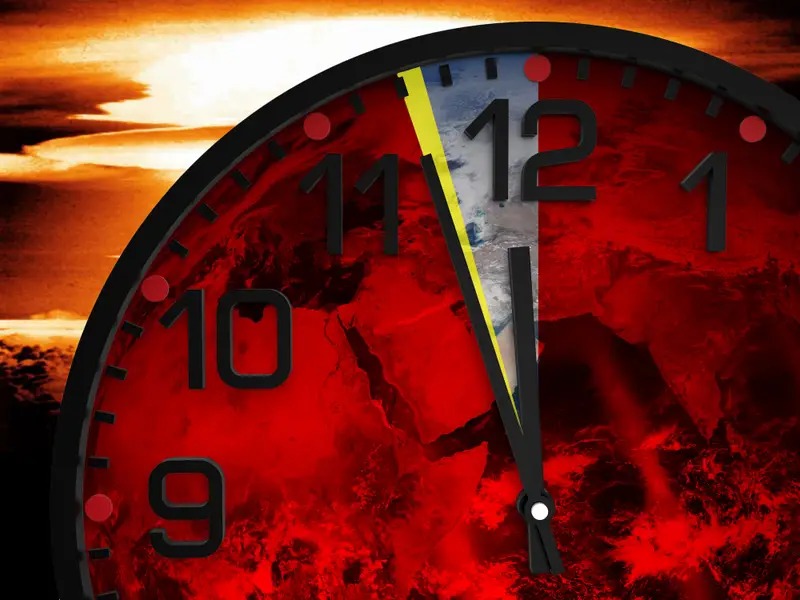
Scientists say the current setting reflects a combination of multiple global risks rather than a single event.
Among the key concerns are:
•Rising nuclear tensions in different parts of the world.
•Ongoing wars and geopolitical conflicts.
•The accelerating impacts of climate change.
•Advances in artificial intelligence and other disruptive technologies.
•Biological risks and the possibility of future pandemics.
•Increasing misinformation and cyber threats that could destabilise societies.
Experts stress that these overlapping dangers collectively increase the risk to humanity.
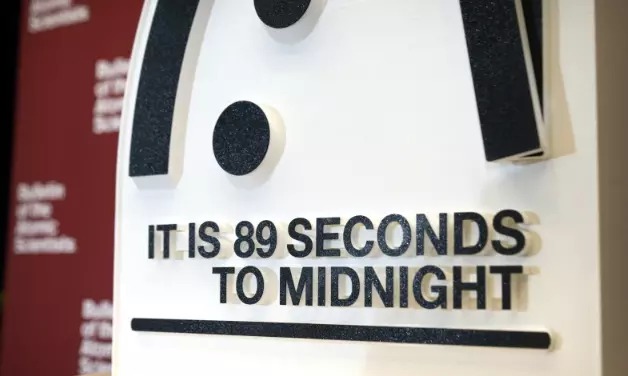
89 Seconds to Midnight: The Closest Ever
The Doomsday Clock is currently set at 89 seconds before midnight, making it the closest it has ever been to the symbolic point of global catastrophe.
Scientists say this setting is intended as a powerful warning that humanity faces unprecedented challenges requiring urgent international cooperation. They emphasise that the clock does not predict the end of the world, but serves as a reminder that the decisions made by governments and societies today will shape the future of civilisation.
A Warning, Not a Prophecy
Despite its dramatic name, the Doomsday Clock should not be interpreted as a prophecy of the world’s end. Instead, it is a scientific and symbolic tool designed to encourage global leaders to reduce risks through diplomacy, arms control, climate action, and responsible technological development.
As conflicts intensify and global challenges become increasingly interconnected, the message behind the Doomsday Clock remains clear: the future of humanity depends on the choices made today.