
 newspop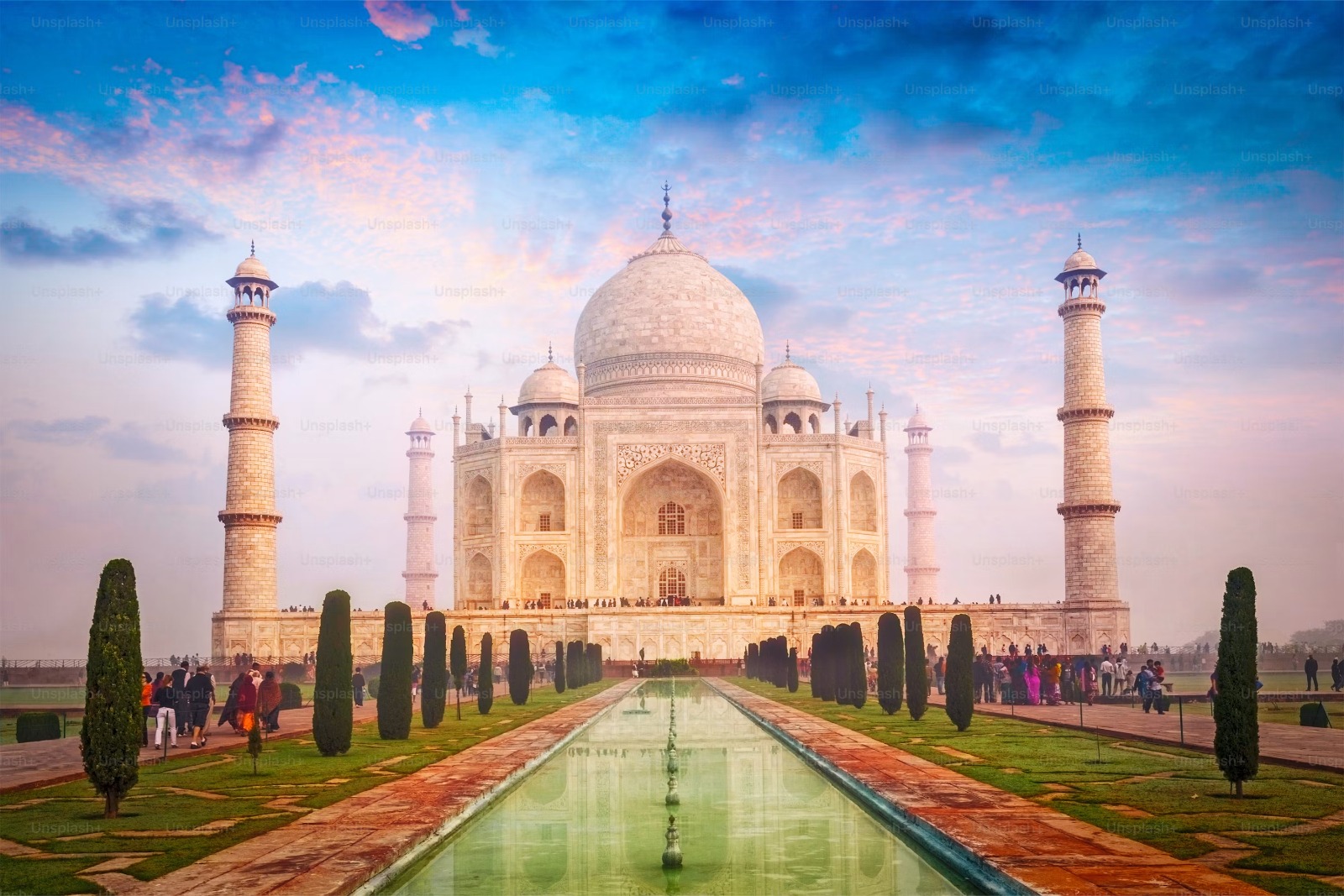
SPECIAL STORY : Are Hidden Hindu Idols, Lost Treasures or Ancient Secrets Locked Inside ? Here’s What History Says About the Taj Mahal’s Most Debated Chambers
New Delhi : A monument admired by millions, a masterpiece celebrated across the world, yet beneath its gleaming white marble lies a mystery that refuses to die.
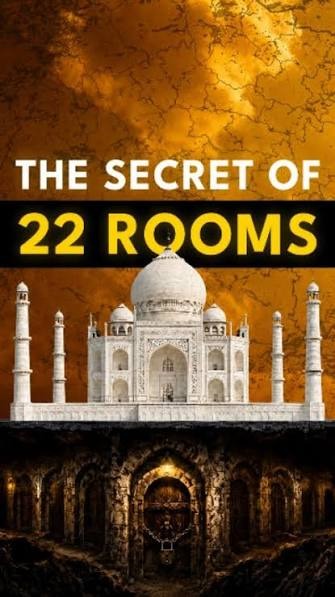
What secrets are hidden behind the Taj Mahal’s 22 sealed rooms ? Are they protecting forgotten treasures, ancient artefacts, or simply centuries-old architectural spaces ?
From claims of hidden Hindu idols and the controversial “Tejo Mahalaya” theory to court battles and historical debates, the mystery continues to captivate India. But what is fact, and what is fiction ? Here’s a closer look at one of the Taj Mahal’s greatest unanswered questions.
Few monuments in the world inspire as much admiration and as many mysteries as the iconic Taj Mahal. Recognised as one of the world’s greatest architectural masterpieces and a timeless symbol of love, the white marble mausoleum in Agra attracts millions of visitors every year.
Yet beyond its breathtaking beauty lies a controversy that refuses to fade : What is hidden inside the Taj Mahal’s 22 sealed rooms ?
For decades, these underground chambers have been at the centre of speculation, conspiracy theories and political debate. While historians describe them as structural rooms built for maintenance and foundation support, several claims circulating on social media and in public discourse continue to fuel curiosity.
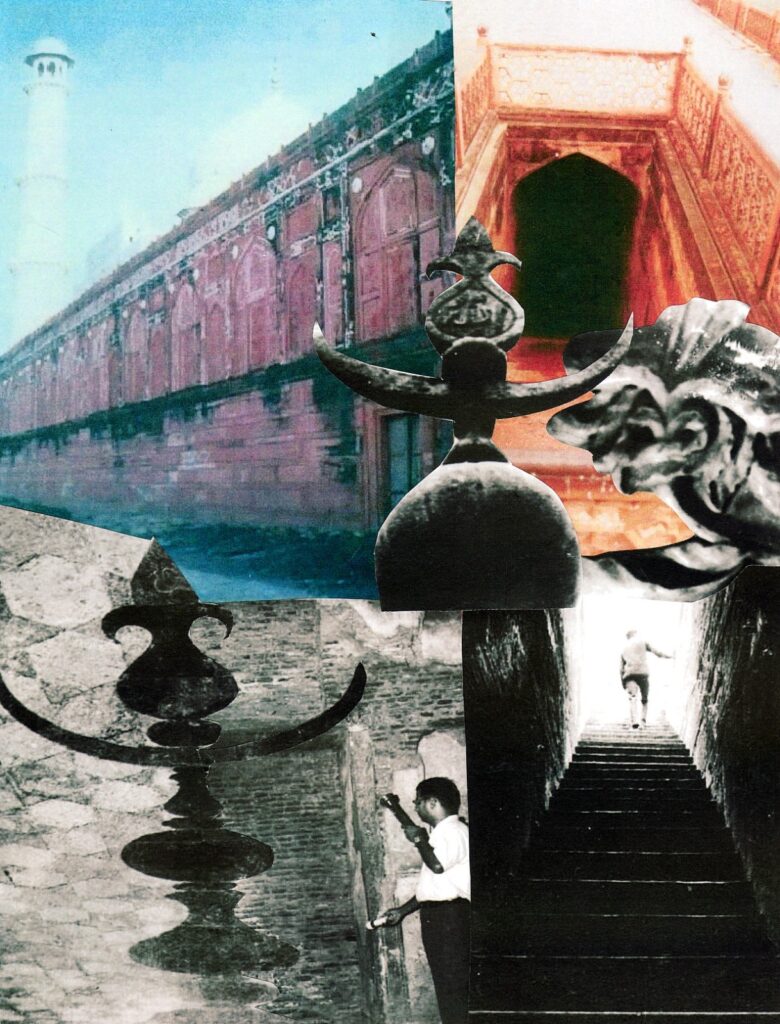
The 22 Sealed Rooms : Why Are They Closed ?Beneath the main mausoleum are a series of rooms that have remained closed to the general public for decades. These chambers are not part of the tourist route, leading many to wonder what they contain.
Some believe priceless Mughal-era artefacts, manuscripts and decorative elements are preserved inside. Others claim the rooms contain hidden treasures of gold and silver or architectural remains from centuries ago.However, none of these claims have been officially confirmed.The Viral Claims, The mystery surrounding the sealed rooms has given rise to numerous theories over the years.
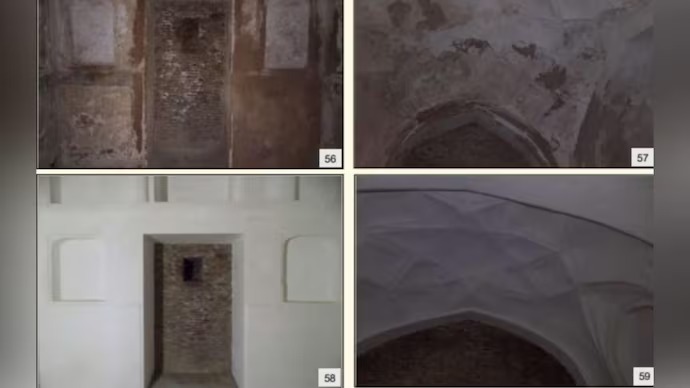
Among the most widely circulated claims are:
•Hidden idols of Hindu deities are kept inside the rooms.
•The Taj Mahal was originally a Shiva temple known as “Tejo Mahalaya.”
•The monument existed before Mughal emperor Shah Jahan and was allegedly built by a Hindu ruler.
•Shah Jahan purchased the structure from Raja Jai Singh and later converted it into a mausoleum.
•The sealed chambers contain evidence capable of changing the accepted history of the monument.
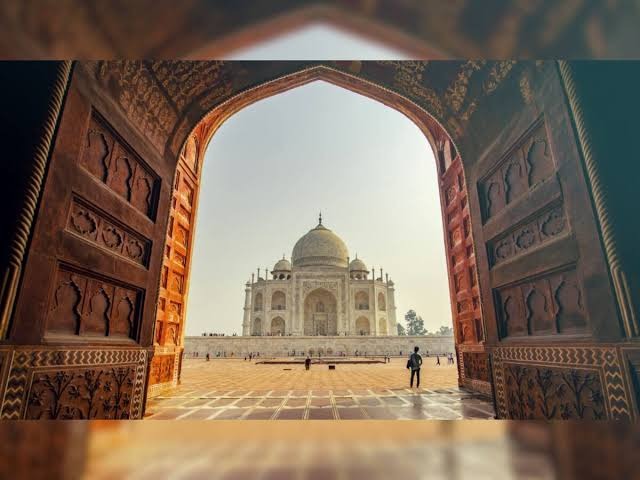
These theories frequently trend on social media but remain highly controversial.What Historians and Archaeologists SayAccording to mainstream historical research and the Archaeological Survey of India (ASI), the Taj Mahal was commissioned by Mughal emperor Shah Jahan in memory of his beloved wife Mumtaz Mahal, who died in 1631.
Construction began around 1632 and the main mausoleum was substantially completed by 1643, while the surrounding complex was finished a few years later.
Historians reject the claim that the monument was originally a Shiva temple, stating that no credible archaeological evidence has established this theory.Similarly, there is no reliable historical proof supporting the popular claim that Shah Jahan ordered the hands of 20,000 artisans to be cut off after the monument’s completion.
Why Are the Rooms Kept Closed ?
Experts believe the sealed rooms are closed primarily for conservation and structural reasons.Many of these chambers are located below the main platform and are not designed for public access. Restricting entry helps protect the monument from moisture, structural damage and unnecessary human interference.
Officials have maintained that opening these rooms without conservation requirements could pose risks to the centuries-old structure.Court Cases Over the Sealed ChambersIn recent years, petitions were filed seeking permission to open the 22 rooms and conduct a scientific survey to determine what lies inside.
However, the Lucknow Bench of the Allahabad High Court declined to order such an investigation, observing that historical questions cannot be decided solely through court proceedings without credible evidence.As a result, the chambers remain closed.
Separating Fact from SpeculationThe mystery of the Taj Mahal’s sealed rooms continues to fascinate millions. While stories about hidden idols, secret treasures and forgotten kingdoms attract widespread attention, historians stress that these claims remain unverified unless supported by archaeological evidence.
Until any official scientific examination is conducted and made public, the 22 sealed rooms of the Taj Mahal will remain one of India’s most intriguing historical mysteries where documented history ends and speculation begins.