
 newspop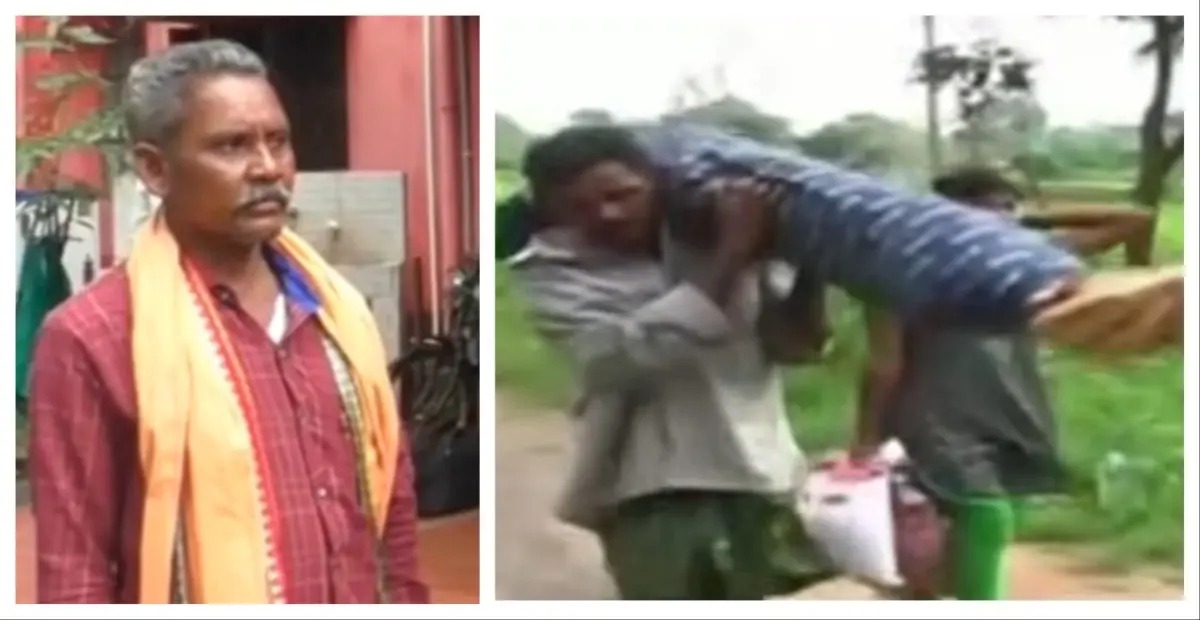
Kalahandi Man Alleges Film Was Made Without His Consent ; Producer Manoj Bag Faces Legal Challenge
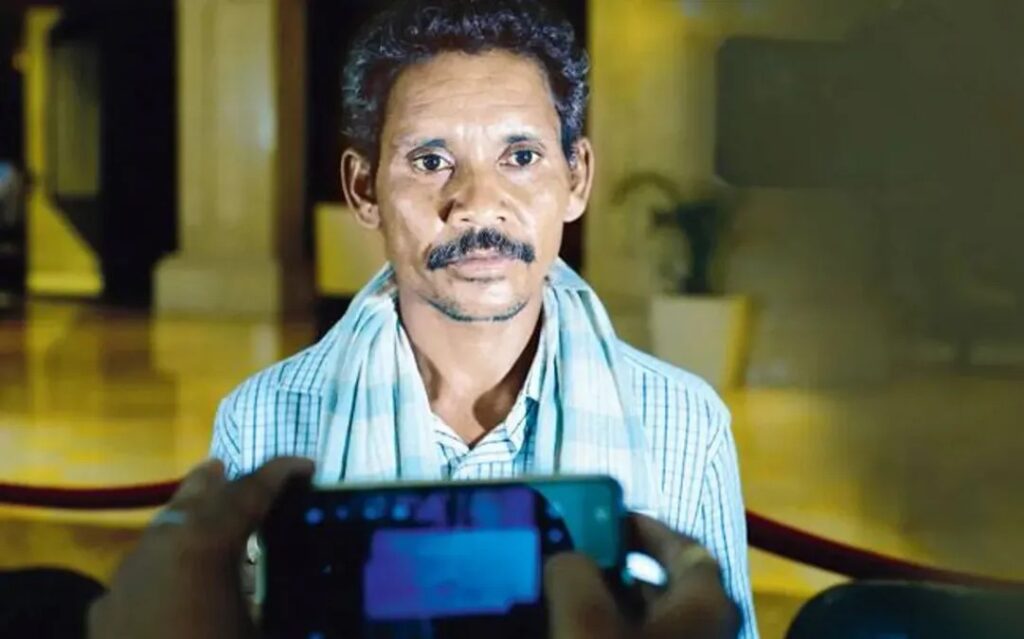
Patnagarh, Odisha: Nearly a decade after his heartbreaking story shocked the world, Dana Majhi, the man who carried the body of his deceased wife on his shoulders due to the unavailability of an ambulance, has once again found himself in the spotlight.
This time, however, it is not because of the tragedy he endured, but over a legal dispute surrounding a short film allegedly based on his life. Dana Majhi has accused filmmaker and producer Manoj Bag of making the short film “Laash” without obtaining his permission. Accompanied by his lawyer, Majhi recently approached the Patnagarh Police Station seeking legal action against the filmmaker.
According to Dana Majhi, the film recreates one of the most painful chapters of his life without his knowledge or consent. He alleged that neither the producer nor any member associated with the film ever contacted him before producing or releasing the project. The most tragic incident of my life has been turned into a film without even informing me. My consent should have been taken before making a movie based on my personal story,” Majhi reportedly said, explaining why he has decided to pursue legal action.
However, the police informed him that the matter falls under the ambit of intellectual property and civil legal issues, advising him to seek relief through the appropriate court rather than registering a criminal complaint at the police station. Producer Manoj Bag, who has served as the writer, director, editor, actor, and producer of Laash, has not publicly responded to the allegations.
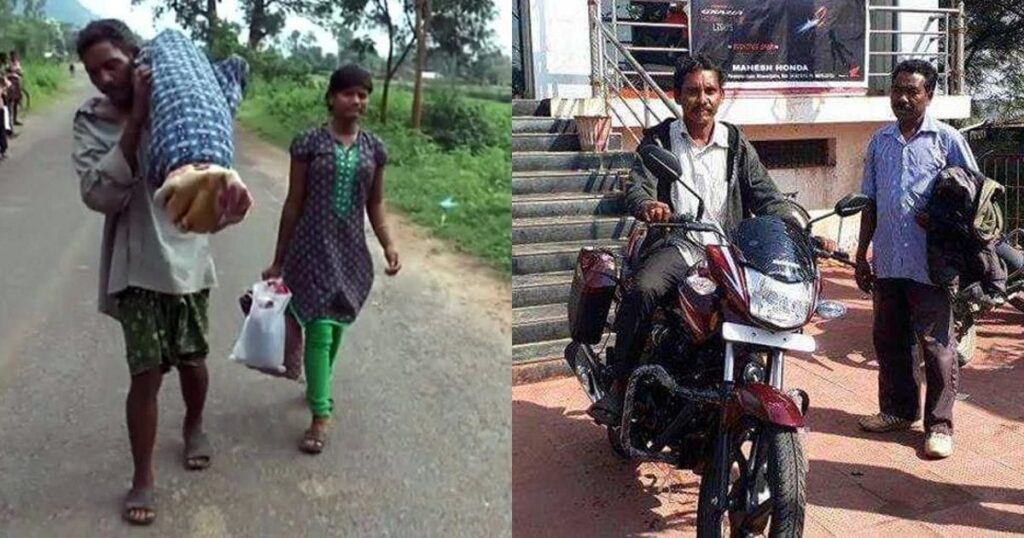
The short film has reportedly been screened at the Indo-Singapore International Film Festival (ISIFF), drawing attention in independent cinema circles. Dana Majhi’s story became an international symbol of India’s healthcare challenges in 2016, when he was allegedly denied an ambulance after the death of his wife at the district hospital in Bhawanipatna, Odisha.
With no transport available, he carried her body on his shoulders for several kilometres while his young daughter walked beside him. Images of the incident sparked nationwide outrage and drew global attention to the condition of healthcare services in remote parts of the country.Following the incident, governments, social organisations, and individuals extended financial assistance and support to Dana Majhi.
His story remains one of the most powerful reminders of the hardships faced by people in underserved regions. Commenting on the latest development, local police officials stated that Dana Majhi had indeed approached the police station with his advocate.
Since the dispute relates to intellectual property and the alleged unauthorised use of a real-life story, he has been advised to pursue the matter through the competent court.
The controversy has reignited a wider debate over whether filmmakers should obtain permission before adapting the lives of real individuals into cinematic works, particularly when those stories involve deeply personal tragedies.