

 newspop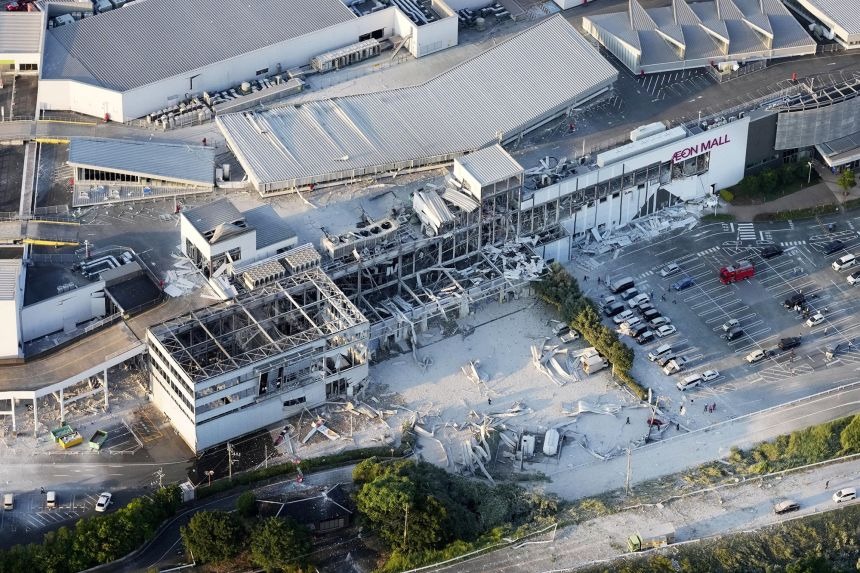
Injuries, Fires, Power Outages and Infrastructure Damage Reported as Authorities Launch Massive Emergency Response
Tokyo : A powerful 7.1-magnitude earthquake struck southern Japan, sending strong tremors across several regions and prompting authorities to issue a tsunami advisory for vulnerable coastal areas. The earthquake triggered panic among residents, disrupted essential services, and led to an immediate large-scale emergency response as officials worked to assess the extent of the damage.
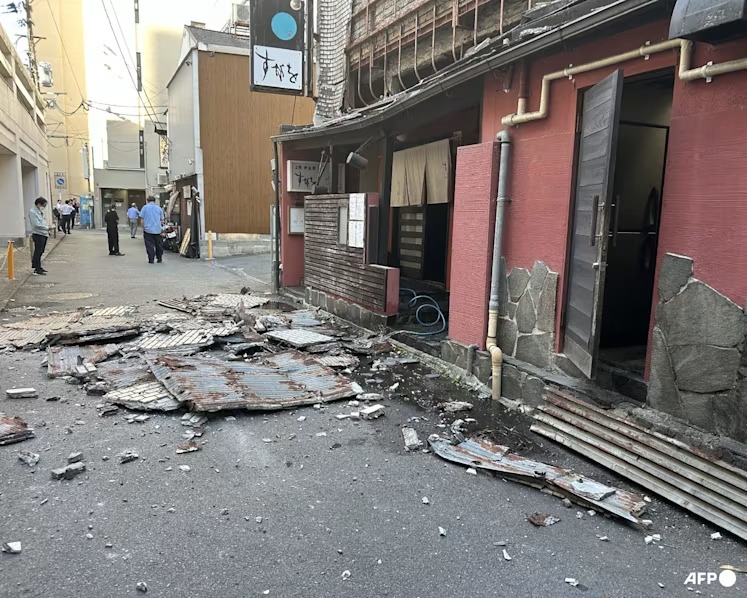
According to Japanese authorities, the powerful quake resulted in multiple injuries, while power outages, fires, and structural damage were reported from several locations. Emergency services, including firefighters, police personnel, and disaster response teams, were quickly deployed to affected areas to carry out rescue operations, extinguish fires, and assist injured residents.
The Japan Meteorological Agency (JMA) issued a tsunami advisory shortly after the earthquake, warning people living along the coastline to remain alert and move to higher ground if necessary. Authorities urged residents to avoid beaches, ports, and other low-lying coastal areas until the advisory is lifted, as dangerous waves can arrive unexpectedly even after the initial tremors have subsided.
The powerful shaking disrupted transportation and daily life in several parts of southern Japan. Officials are inspecting roads, bridges, railway lines, and public infrastructure to determine the extent of the damage and ensure that critical services can be safely restored. Utility companies are also working to restore electricity to areas affected by widespread power outages.Hospitals and emergency medical teams remain on high alert as injured people continue to receive treatment.
Authorities have not yet released a complete assessment of casualties or property damage, stating that rescue and search operations are still underway and information continues to emerge from affected regions.
Japan, situated along the Pacific Ring of Fire, is one of the world’s most earthquake-prone countries. The nation has developed some of the most advanced earthquake monitoring systems and strict building standards to reduce the impact of seismic disasters. Even so, powerful earthquakes continue to pose significant risks to lives, infrastructure, and coastal communities.
Government agencies are closely monitoring the situation and have appealed to the public to rely only on official advisories, remain calm, and follow evacuation instructions where required. Rescue personnel continue to work around the clock as authorities assess the full impact of the earthquake and coordinate relief efforts.
The disaster serves as another reminder of Japan’s constant battle with powerful natural disasters and the importance of preparedness, rapid emergency response, and public awareness in minimizing the impact of major seismic events.