 newspop
RAVANA AS THEIR SON-IN-LAW, WHY MANDORE’S BRAHMINS OBSERVE MOURNING DURING DIWALI
Diwali is celebrated across India as the festival of lights, with people lighting diyas, bursting crackers and exchanging sweets. But in a village in Rajasthan, the occasion is observed differently. In Mandore, near Jodhpur, members of the Maudgil and Shrimali Brahmin communities reportedly observe mourning instead of celebrating following the death of Ravana.
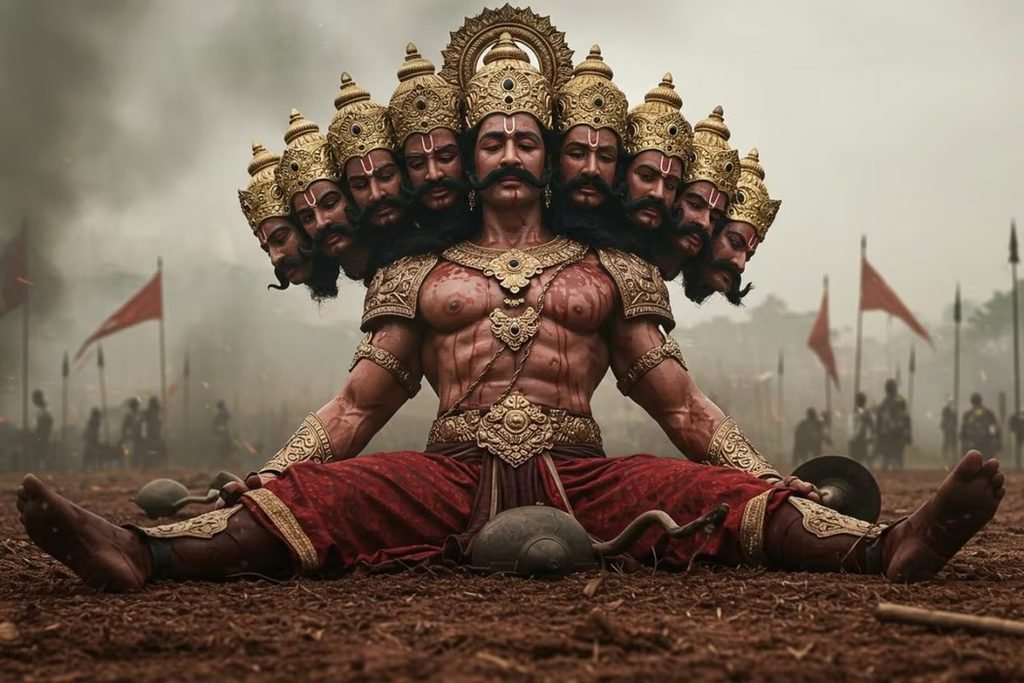
According to local beliefs and traditional accounts, Mandore is considered the birthplace of Ravana’s wife, Mandodari, and the place where the two were married. Because of this connection, Ravana is regarded as the son-in-law of the village. Some community traditions also claim that Brahmins who accompanied Ravana’s wedding procession stayed back in Mandore, and their descendants consider themselves connected to his lineage.
For these communities, Ravana is remembered not simply as the antagonist of the Ramayana, but also as a learned scholar and a devoted worshipper of Lord Shiva.
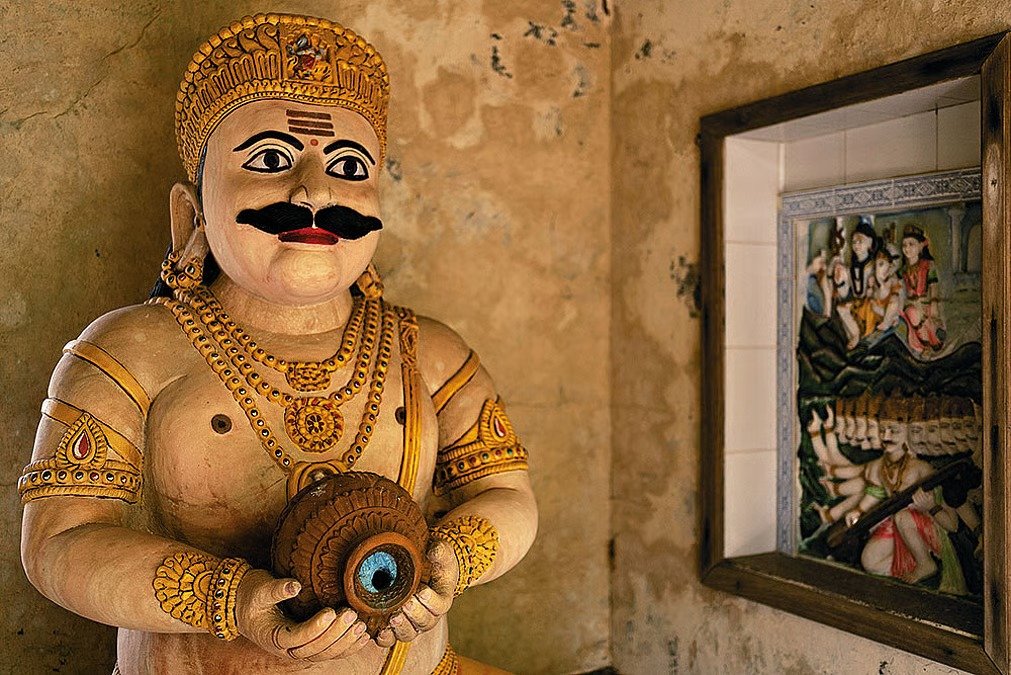
Jodhpur is also home to a temple dedicated to Ravana, where devotees offer prayers.
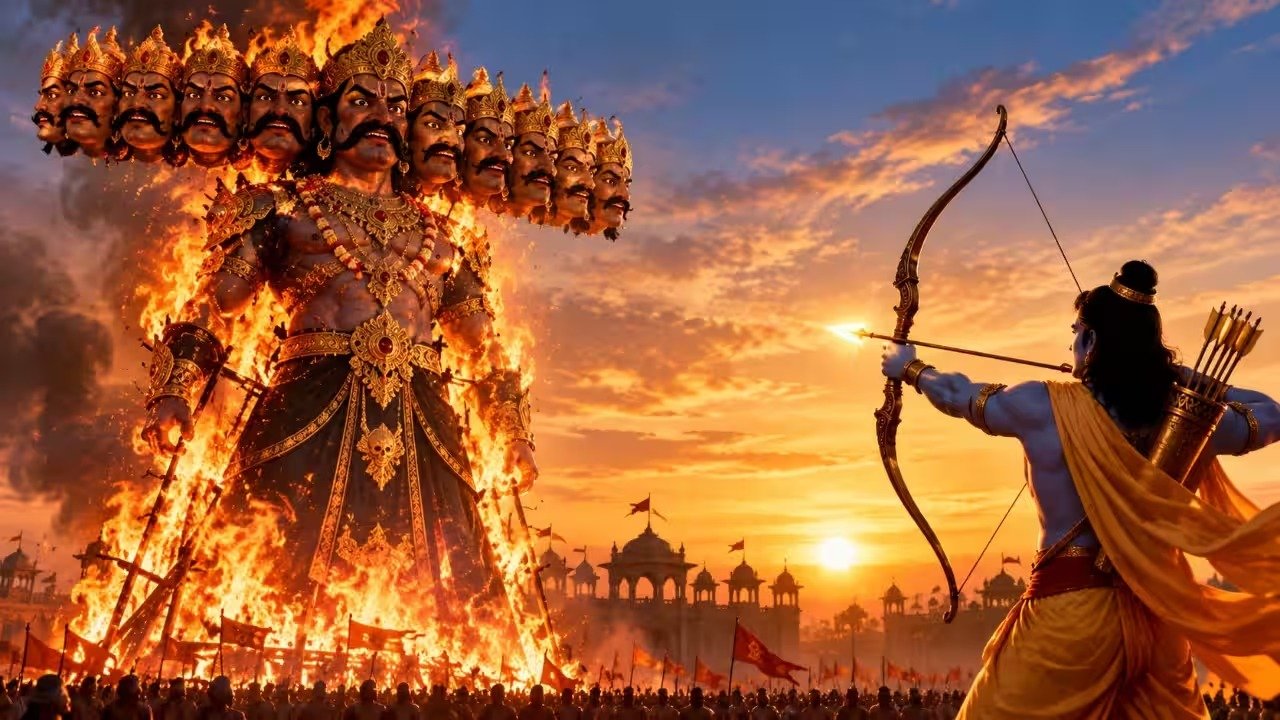
While Ravana’s effigies are burnt in many parts of the country during Dussehra, some members of these communities observe mourning. According to the reported tradition, after the Ravana effigy is burnt, they take a ritual bath, change their sacred threads and only then have their meals.
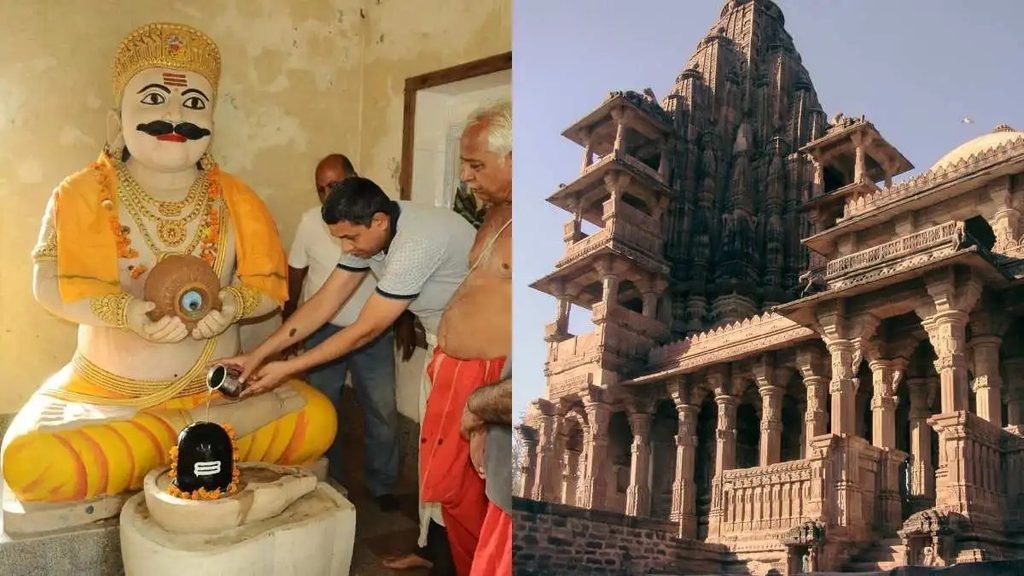
Their remembrance of Ravana also extends to Pitru Paksha, when rituals such as tarpan and pind daan are reportedly performed in the names of Ravana, his father Vishrava and his grandfather Maharishi Pulastya.
This unusual tradition reflects how the same mythological figure can be remembered differently across communities. While the story of Lord Rama’s victory over Ravana is celebrated across India, Mandore’s traditional beliefs preserve a distinct cultural connection with Ravana and Mandodari.