

 newspop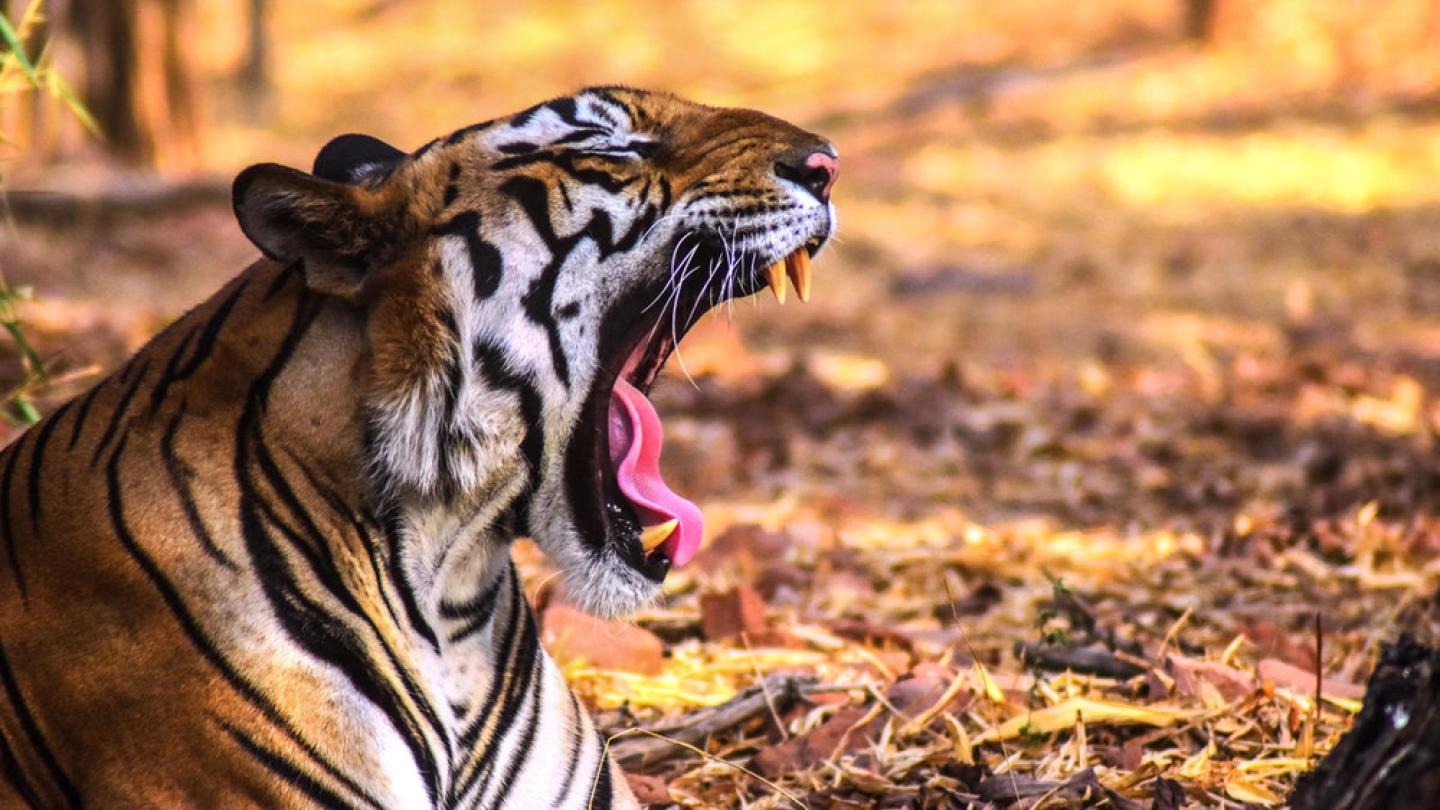
International Tiger Day 2026 : Celebrating India’s Biggest Wildlife Conservation Success

New Delhi: Every year on July 29, the world celebrates International Tiger Day to spread awareness about tiger conservation and the urgent need to protect one of nature’s most magnificent predators. India, home to nearly 75% of the world’s wild tiger population, continues to lead global conservation efforts, making the Royal Bengal Tiger a symbol of the country’s rich wildlife heritage.
As India’s national animal, the Royal Bengal Tiger represents strength, courage, and ecological balance. On this occasion, here are five fascinating facts that make this majestic big cat truly extraordinary.
India Has the World’s Largest Wild Tiger Population
India is regarded as one of the world’s greatest wildlife conservation success stories. According to the latest official estimates, the country is home to more than 3,600 wild tigers, accounting for nearly three-fourths of the global tiger population. Tiger reserves such as Jim Corbett, Ranthambore, Bandhavgarh, Kanha, Sundarbans, and Kaziranga have played a crucial role in protecting these magnificent animals. The success is largely attributed to Project Tiger**, launched in 1973, which strengthened anti-poaching efforts, habitat restoration, and scientific wildlife monitoring across the country.
Every Tiger Has Unique Stripes
Just like human fingerprints, no two Royal Bengal Tigers have the same stripe pattern. Wildlife experts use these unique markings to identify individual tigers through camera traps and field surveys, making it easier to monitor their movements and population.
The Royal Bengal Tiger is among the largest members of the cat family. Adult males can weigh over 250 kilograms and measure more than three metres from nose to tail. Despite their massive size, they are excellent swimmers, skilled climbers, and stealthy hunters. Their powerful night vision, sharp hearing, and natural camouflage make them one of the most efficient predators in forests, grasslands, and mangrove ecosystems.
Tigers are known as an umbrella species, meaning that conserving them also protects countless other plants and animals sharing the same habitat. Healthy tiger populations indicate thriving forests, abundant prey, and balanced biodiversity. Conserving tiger habitats also safeguards rivers, groundwater sources, and forests that millions of people rely on for clean water, climate regulation, and livelihoods.
Despite remarkable conservation success, tigers continue to face serious threats, including habitat loss, forest fragmentation, human-wildlife conflict, illegal poaching, and climate change. Conservation efforts today focus not only on increasing tiger numbers but also on improving wildlife corridors, strengthening anti-poaching measures, and involving local communities in protecting forests and wildlife.
Why International Tiger Day Matters
International Tiger Day serves as a reminder that while India has made remarkable progress in tiger conservation, protecting the Royal Bengal Tiger requires continued commitment from governments, conservationists, and citizens alike. Preserving this iconic species ensures the survival of healthy forests, rich biodiversity, and ecological balance for generations to come.