

 newspop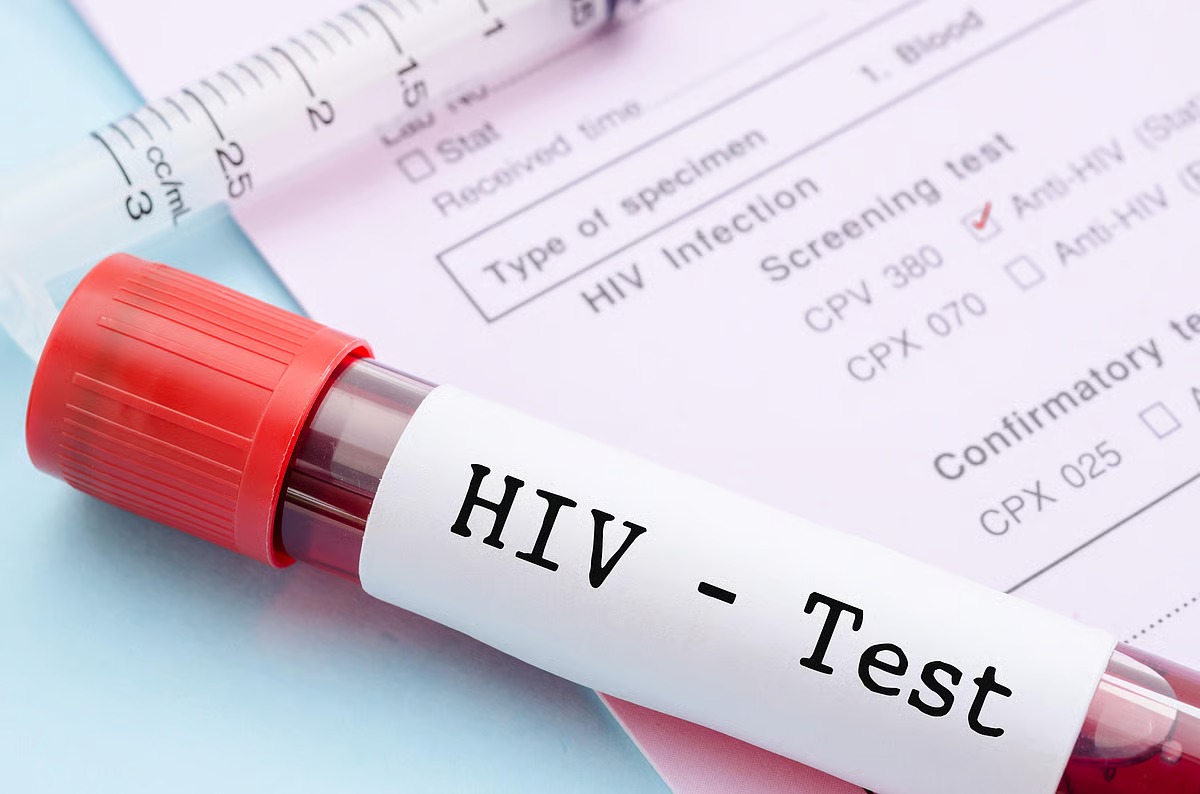
Growing HIV Concern in Karnataka : Government to Conduct Testing & Counselling in Colleges

Bengaluru: A worrying rise in HIV infections among young people and college students has prompted the Karnataka Government to launch a large-scale awareness and testing campaign across educational institutions. According to official figures, nearly 2.6 lakh people in the state are living with HIV, while around 54,000 individuals are unaware that they are infected, raising concerns about undiagnosed cases and further transmission.
Health officials say the infection is increasingly being reported among people in the18–35 age group, including thousands of college students. Data released by the Karnataka State AIDS Prevention Society (KSAPS) indicates that HIV cases among youth have increased significantly over the past few years. During 2023–24, around 44,500 young people were reported to be living with HIV, while the figure for 2025–26 has risen to approximately 66,600. Of these, nearly 7,000 are college students aged between 18 and 25 years.
In response to the growing concern, the state government has directed colleges across Karnataka to organise HIV testing and counselling camps. Students will be offered HIV tests only after obtaining their informed consent, alongside counselling sessions aimed at promoting awareness, reducing stigma, and encouraging early diagnosis.
Medical experts explain that Human Immunodeficiency Virus (HIV) weakens the body’s immune system, making it difficult to fight infections. If left untreated, HIV can progress to Acquired Immunodeficiency Syndrome (AIDS). However, with timely diagnosis and antiretroviral therapy (ART), people living with HIV can lead long, healthy lives and greatly reduce the risk of transmission.
Public health experts, including researchers from leading institutions, stress that awareness, early testing, safe sexual practices, and education remain the most effective tools to control HIV. Doctors also point out that many people with HIV do not experience noticeable symptoms in the early stages, making regular testing especially important for those who may be at risk.
Health authorities have urged young people not to fear testing or social stigma, emphasizing that HIV is a manageable medical condition when diagnosed early. The government’s new initiative aims not only to identify infections at an early stage but also to educate students, promote responsible health practices, and prevent the spread of the virus through sustained awareness campaigns across campuses.



 Mudasir Maqbool